Blindness risk as state hospitals run out of medicine
Shortages of essential chronic medication for hypertension, diabetes and ophthalmology at Windhoek Central Hospital could result in the suspension of surgeries and put patients at risk of permanent blindness. Letters seen by The Namibian written to the Ministry of Health and Social Services by health professionals and concerned members of the public highlight a shortage […] The post Blindness risk as state hospitals run out of medicine appeared first on The Namibian.
 Black News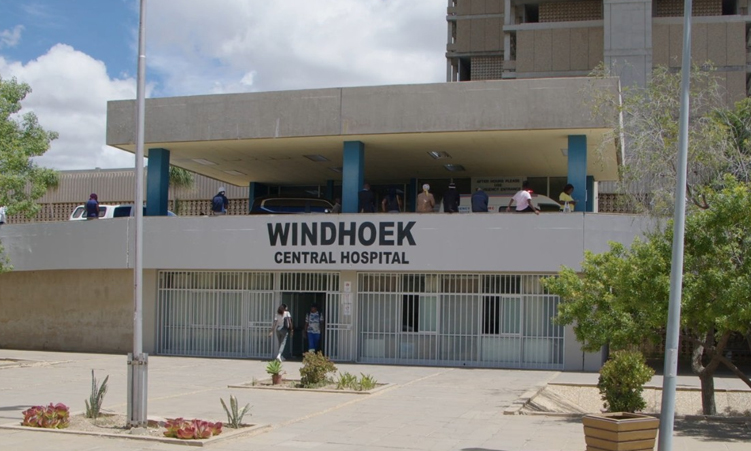
Shortages of essential chronic medication for hypertension, diabetes and ophthalmology at Windhoek Central Hospital could result in the suspension of surgeries and put patients at risk of permanent blindness.
Letters seen by The Namibian written to the Ministry of Health and Social Services by health professionals and concerned members of the public highlight a shortage of several crucial medications for hypertension and ophthalmology.
The authors of the letters have appealed to the ministry to urgently address chronic medicine shortages affecting patients at public hospitals and clinics.
Ministry spokesperson Walters Kamaya could not immediately comment yesterday.
In the latest leaked letter written to the Windhoek Central Hospital’s medical superintendent, Dr Shitaleni Herman, an ophthalmologist outlines a list of critical medicine currently out of stock or in limited supply, warning that the department cannot continue some services without them.
“These three medications are the bare basics we need to treat sight threatening glaucoma and to treat the temporary increase in intraocular pressure in post-op or in uveitis patients,” the doctor says.
Some of the medications mentioned include shortages of Bimatoprost, Timolol (Ganforte), Brimonodine 2% (Alphagan) and Dorzolamide.
“Currently we have none of these three medications available. We cannot function as an eye clinic without these, and we cannot safely continue with cataract operations without these,” he says.
The doctor says Dexamethasone, Neomycin, and Polymyxin B (Maxitrol), which is used after cataract surgery, is also out of stock.
“. . . and we can’t safely proceed with cataract surgery till this item is back in stock and a steady supply can be guaranteed,” he writes.
The letter further states that Atropine 1% has been unavailable for at least five months.
“This leads to delays in the diagnosis and treatment of children with strabismus, and the absence of this medication leads to permanent complications in patients with uveitis and keratitis [inflammatory eye conditions],” the doctor says.
He also warns shortages of Sodium Cromoglycate, Oxymetazoline and Tacrolimus could affect treatment for children with vernal keratoconjunctivitis [chronic allergic inflammation].
“Failure to treat this condition properly can result in permanent visual loss due to complications,” the letter states.
WAITING FOR SURGERY
The ophthalmologist further raises concerns over an increase in ophthalmic complications among diabetic and hypertensive patients.
“Most of these patients have not had their conditions controlled recently due to medications being out of stock on a regular basis,” he writes.
“This leads to serious complications and unnecessary permanent vision loss in a lot of our patients.”
According to the letter, the ophthalmology department performs between 35 and 50 operations weekly, with many patients already waiting more than a year for surgery.
“If this matter does not get urgent attention we will have to at least stop our elective theatre lists,” the doctor warns.
“Cancelling them will mean they will have to wait another few months and it will cause other patients who are not on the lists yet to have to wait even longer.”
The Namibian yesterday reached out to ophthalmologist Dr Helena Ndume regarding the situation, who, however, declined to comment.
HYPERTENSION CRISIS
Meanwhile, in a second open letter addressed to the Ministry of Health and Social Services on 10 May, Namibian resident Caillin Basson appeals to the ministry to urgently address chronic medicine shortages affecting patients at public hospitals and clinics.
Basson says her mother (70), who has diabetes, high blood pressure and high cholesterol, has been unable to access some of her chronic medication since February due to stock shortages.
“Every week, I go to the hospital to collect her high blood pressure medication, only to be told by the pharmacy staff that it is still unavailable,” she writes.
Basson says her mother has since suffered migraines and ongoing illness linked to uncontrolled blood pressure.
“The absence of basic chronic medication can push stable patients into hospital beds that could have been kept free through prevention,” she says.
While commending improvements at public hospitals, including renovations and emergency services, Basson says medication shortages remain a serious concern.
“The ministry has shown that improvement is possible. It has shown that public health facilities can be upgraded,” she writes.
“Now, I ask that the same urgency and commitment be applied to ensuring that essential medicines are available consistently.”
Basson also calls for clearer communication on medicine shortages, emergency procedures for chronic patients when medication is unavailable, and regular public updates on procurement delays and stock availability.
The post Blindness risk as state hospitals run out of medicine appeared first on The Namibian.