Burkina Faso Prison Reform Under Ibrahim Traoré as Inmates Learn Agriculture and Skills Training
In a move that is drawing attention across Africa and beyond, Burkina Faso is pushing forward with an ambitious prison reform strategy under the leadership of Ibrahim Traoré — one that seeks to transform prisons from centers of punishment into hubs of rehabilitation, agriculture, and economic productivity. Rather than allowing inmates to remain idle behind [...]
 Black News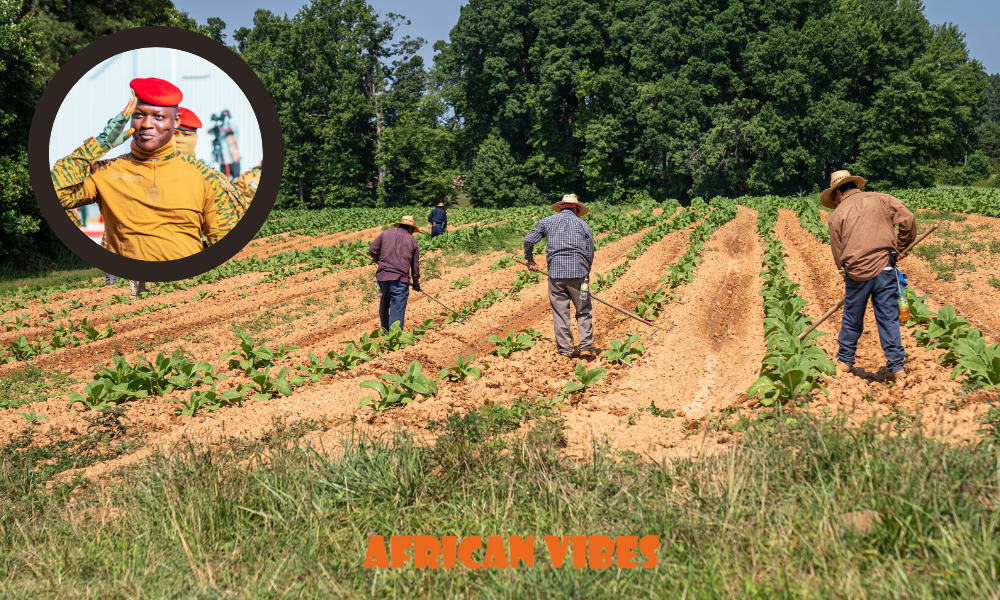
In a move that is drawing attention across Africa and beyond, Burkina Faso is pushing forward with an ambitious prison reform strategy under the leadership of Ibrahim Traoré — one that seeks to transform prisons from centers of punishment into hubs of rehabilitation, agriculture, and economic productivity.
Rather than allowing inmates to remain idle behind bars, the government’s evolving approach focuses on vocational training, agricultural labor, and skills development aimed at preparing prisoners for life after incarceration. Supporters say the model could reduce crime, improve food security, and ease pressure on the state’s prison system, while critics warn that the reforms must be carefully monitored to avoid exploitation and abuse.
The initiative reflects a broader ideological shift taking shape in Burkina Faso: one centered on self-reliance, national productivity, and restructuring institutions to serve economic development goals.
A New Vision for African Prison Reform
For decades, many prison systems around the world have operated primarily on punishment and isolation. Inmates are incarcerated, often under overcrowded and underfunded conditions, with little access to education, rehabilitation, or employment opportunities.
Burkina Faso’s model seeks to challenge that system.
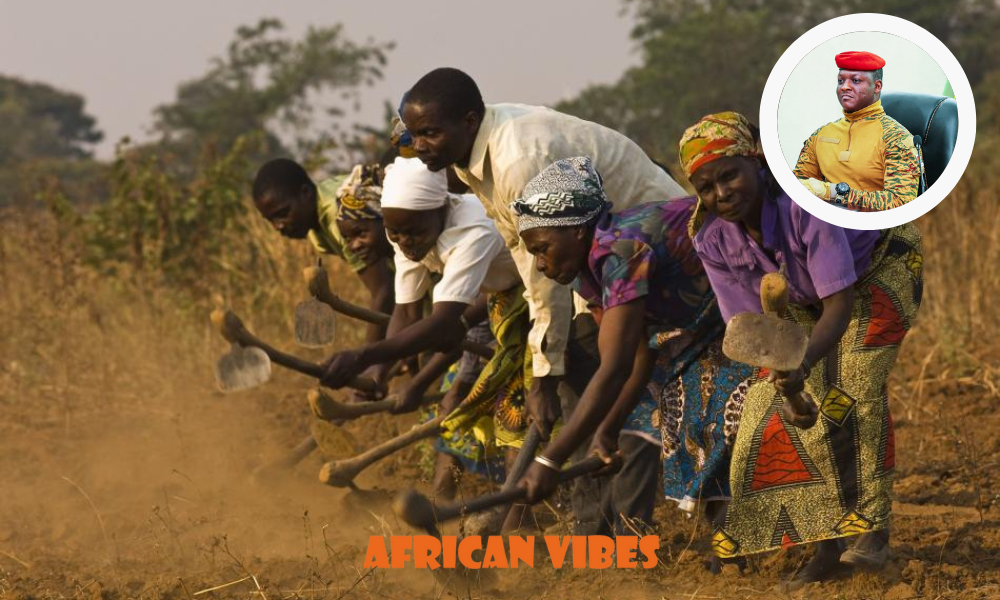
Instead of treating prisoners solely as offenders, the reform framework views inmates as individuals capable of rehabilitation and economic contribution. Through agricultural programs and structured labor initiatives, incarcerated individuals are being trained in farming techniques, crop management, irrigation, livestock care, and food production.
Government supporters argue that this approach serves two purposes at once:
- reducing prison idleness and violence,
- while building a workforce equipped with practical skills for reintegration into society.
The strategy aligns closely with Burkina Faso’s wider economic reality. Agriculture remains one of the country’s largest sectors, employing a significant portion of the population and playing a central role in food security and rural livelihoods.
ALSO READ: China Backs Nigeria Against US Military Threat — Ally or Calculated Interest?
Why Agriculture Became the Centerpiece
In Burkina Faso, farming is not just an industry — it is the backbone of the economy.
By focusing prison reform around agriculture, authorities are attempting to connect incarceration with national development priorities. Prisoners participating in farming programs can gain skills directly applicable to local labor markets after release, increasing their chances of finding work and reducing the likelihood of reoffending.
The agricultural focus also carries financial implications for the state.
Feeding prison populations is expensive, particularly in countries facing economic pressure and limited public resources. Prison farms can help offset operational costs by producing food for inmates while potentially generating surplus crops for public institutions or local distribution.
Supporters of the reform say this creates a more sustainable prison system — one where prisons contribute economically rather than functioning solely as a financial burden on taxpayers.
Rehabilitation Instead of Permanent Punishment
One of the core ideas behind the reform is the belief that incarceration should not simply punish people but prepare them for reintegration into society.
Research from rehabilitation-focused justice systems globally has consistently shown that inmates who receive vocational training and education are less likely to return to crime after release.
The Burkina Faso model emphasizes:
- vocational education,
- structured work routines,
- discipline and responsibility,
- psychological rehabilitation through productive labor,
- and economic self-sufficiency.
Advocates argue that meaningful work can restore dignity and purpose to inmates, helping break cycles of hopelessness and repeat offending.
Within prisons themselves, officials hope that productive activity will also reduce tensions, violence, and gang dynamics often associated with overcrowded detention facilities.
Economic and Social Benefits
If successfully implemented, analysts say the reform could deliver benefits on several fronts.
For Prisoners
- marketable agricultural and vocational skills,
- better employment prospects after release,
- improved mental well-being,
- reduced likelihood of reoffending,
- and greater chances of successful reintegration.
For the Prison System
- reduced inmate idleness,
- lower operational food costs,
- more stable prison environments,
- and improved resource management.
For the State
- stronger food production capacity,
- reduced long-term incarceration costs,
- lower recidivism rates,
- and expanded agricultural labor development.
In many African countries, prisons are heavily overcrowded and underfunded. Burkina Faso’s model is increasingly being discussed as a possible alternative for nations seeking lower-cost rehabilitation systems tied directly to economic development.
Challenges and Concerns
Despite the optimism surrounding the reforms, experts caution that implementation will determine whether the model succeeds or fails.
Human rights advocates stress that prison labor programs must remain genuinely rehabilitative and not become systems of forced labor or exploitation.
Several major challenges remain:
Infrastructure Costs
Building prison farms requires land, irrigation systems, tools, storage facilities, and training programs — all of which demand substantial investment.
Training Quality
The effectiveness of rehabilitation depends heavily on qualified instructors capable of teaching modern agricultural methods and managing incarcerated populations safely.
Security Risks
Agricultural work outside traditional prison structures introduces new security concerns that require careful supervision and prisoner classification systems.
Post-Release Employment
Skills training alone may not guarantee successful reintegration. Former inmates still need access to employment opportunities, agricultural financing, and community acceptance after release.
Without strong reintegration systems, critics argue, even well-trained former prisoners could struggle economically and fall back into criminal activity.
A Growing Debate Across Africa
Burkina Faso’s prison reform initiative arrives at a time when many African nations are debating broader questions around governance, justice, economic independence, and institutional reform.
The country’s leadership under Ibrahim Traoré has increasingly emphasized national productivity, anti-dependency policies, and state-led economic transformation. Supporters see the prison reform project as part of that larger ideological vision.
Some observers compare aspects of the initiative to rehabilitation-focused prison systems in Nordic countries, where education and vocational development are central to incarceration strategies. Others point to regional examples in countries like Rwanda and Kenya, where vocational prison programs have also been explored.
However, Burkina Faso’s emphasis on agriculture and food production gives the model a distinctly African economic context.
Could This Become Africa’s New Prison Model?
The long-term success of Burkina Faso’s reforms will depend on measurable outcomes:
- lower reoffending rates,
- successful reintegration of former inmates,
- economic sustainability,
- and adherence to human rights standards.
But the broader significance may extend beyond prison walls.
If the country demonstrates that incarceration systems can simultaneously improve rehabilitation, strengthen food production, and reduce public spending, the model could influence criminal justice reforms across the continent.
For now, Burkina Faso is attempting something few nations have fully achieved: transforming prisons from institutions of isolation into engines of rehabilitation and productivity.
Whether it becomes a revolutionary African success story — or another controversial experiment — remains to be seen.