Chinese miner hunts West Africa gold assets as Western firms exit projects
Chinese firms are increasingly targeting West African assets, positioning themselves to acquire operations being sold off by international miners as the sector undergoes consolidation and strategic restructuring.
 Black News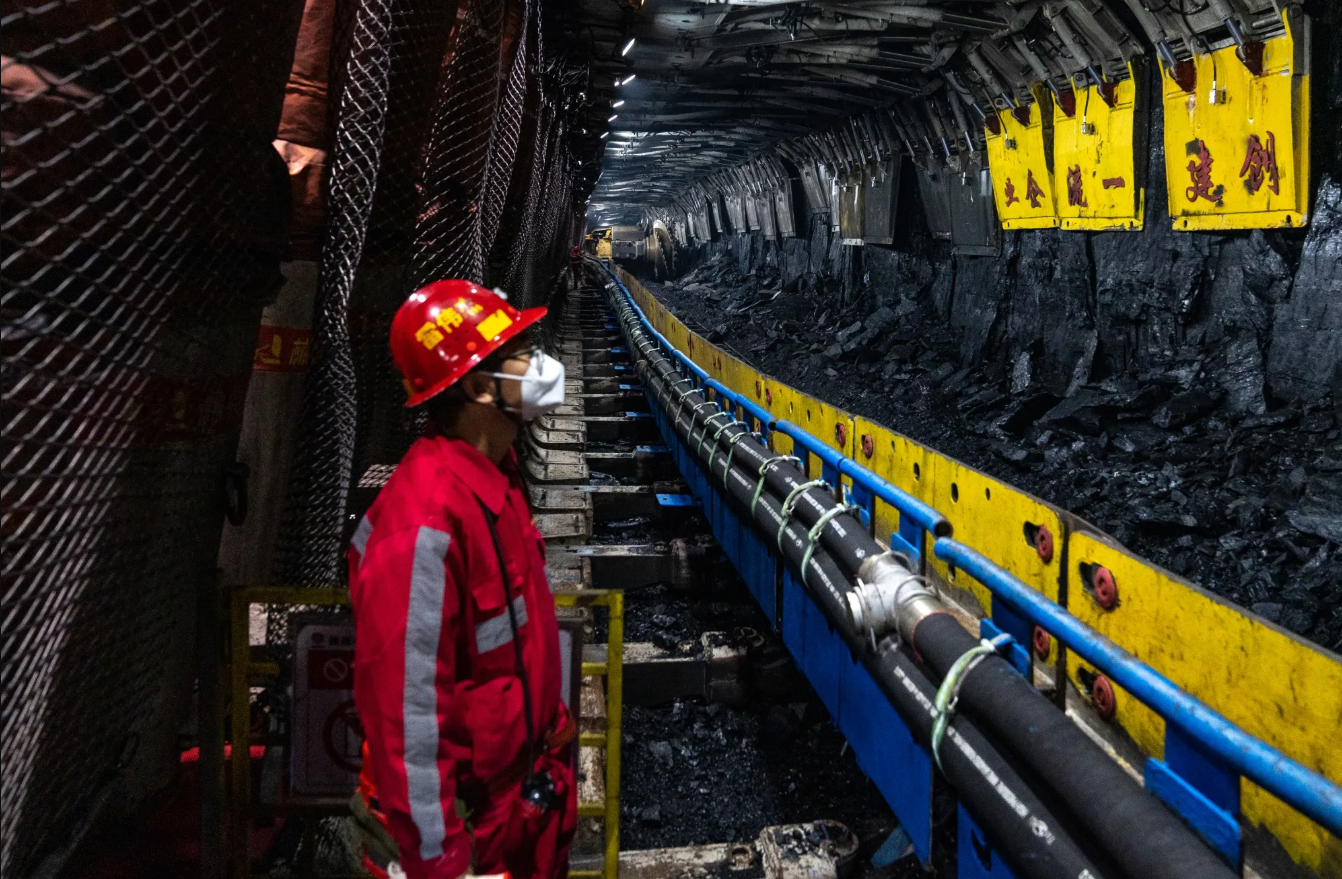

Chinese firms are increasingly targeting West African assets, positioning themselves to acquire operations being sold off by international miners as the sector undergoes consolidation and strategic restructuring.
- Chinese mining companies are intensifying their acquisitions of West African assets amid global industry consolidation.
- Zhaojin Mining Industry is leading this trend, targeting gold mines in stable countries such as Côte d’Ivoire, Ghana, and Guinea.
- Western miners are retreating due to increasing costs, stricter regulations, and higher geopolitical risks, opening the door for Chinese expansion.
- Recent deals, like Zijin Mining’s acquisition of Allied Gold Corp and Zhaojin’s entry into Côte d’Ivoire, highlight China’s growing footprint in Africa.
China’s Zhaojin Mining Industry is accelerating its global acquisition drive, targeting gold mine assets across Africa, Central Asia and the Asia Pacific, with West African countries including Côte d’Ivoire, Ghana and Guinea among its preferred destinations.
The company’s chief investment officer, Xu Jianzhuo, told Bloomberg News that Zhaojin is particularly focused on assets being shed by Western miners operating in politically stable jurisdictions.
He noted that ongoing consolidation in the sector is creating steady deal flow, as some companies divest non-core assets following earlier mergers and acquisitions.
“Gold M&As are very active at the moment,” Xu said. “The trend will only become stronger. Even under such high gold prices, we still see deals being carried out to boost scale.”
Western retreat opens space for Chinese expansion
A growing number of Western mining companies are reassessing their exposure to African gold operations, citing rising operating costs, tougher regulatory environments and heightened geopolitical risk in some jurisdictions.
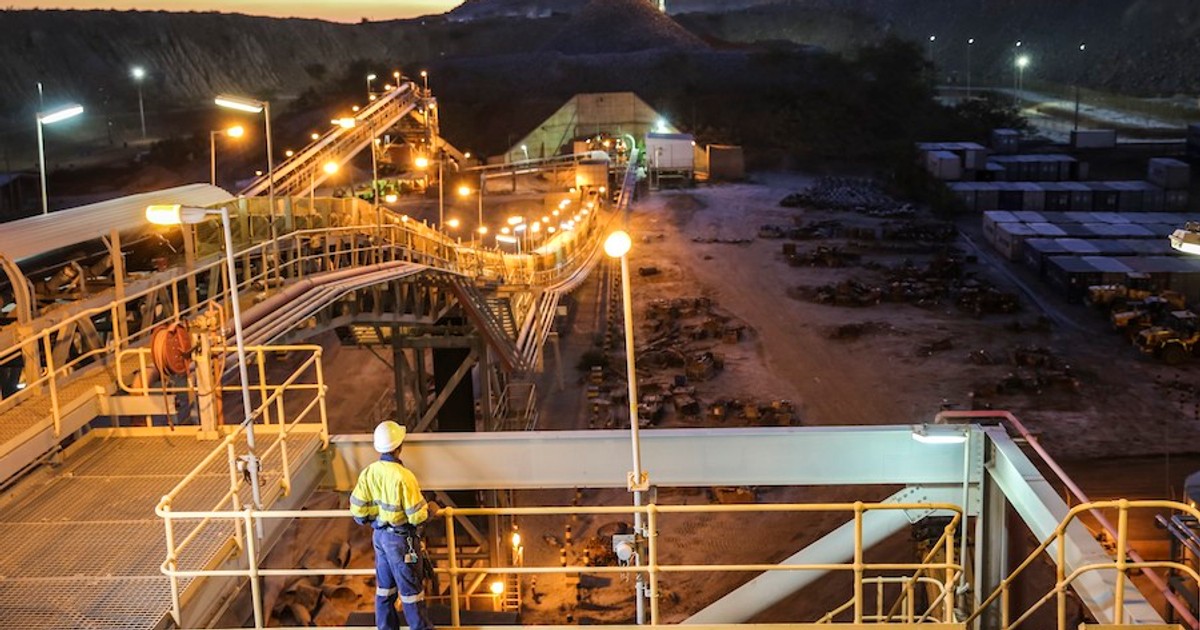
Firms such as Barrick Mining have faced prolonged disputes over taxes and mining rights in Mali, while others like Gold Fields have flagged inflation-driven cost pressures affecting margins.
In response, several miners are streamlining portfolios and focusing on lower-risk jurisdictions, accelerating asset sales across parts of Africa’s gold sector.
This gradual pullback has created opportunities for Chinese miners, who are increasingly stepping in to acquire existing operations rather than build new ones from scratch. The trend is reshaping ownership patterns across key African gold-producing regions.
Chinese mining firms have been active participants in the global M&A wave driven by record gold prices. Rival Zijin Mining, for example, recently acquired Allied Gold Corp, gaining assets in Mali, Côte d’Ivoire and Ethiopia.
Zhaojin itself made its first major overseas push in 2024 with the acquisition of assets in Côte d’Ivoire. Its Abujar mine is projected to produce 4–5 tonnes of gold this year, marking a key foothold in West Africa’s expanding gold belt.
Beyond gold, the company is also building a copper portfolio, with interest in smaller projects in Namibia and Botswana, though Xu cautioned that high capital costs require a measured investment approach.
As global miners recalibrate portfolios, Chinese firms are positioning themselves as increasingly dominant players in Africa’s evolving mining landscape.