Congo begins first-ever lithium exports to China, unlocking the world’s largest undeveloped hard-rock reserves
A new report has revealed that China's mining company, Zijin has started exporting lithium concentrate from its Manono project in the Democratic Republic of Congo. The shipments mark the first time the African country has exported lithium.
 Black News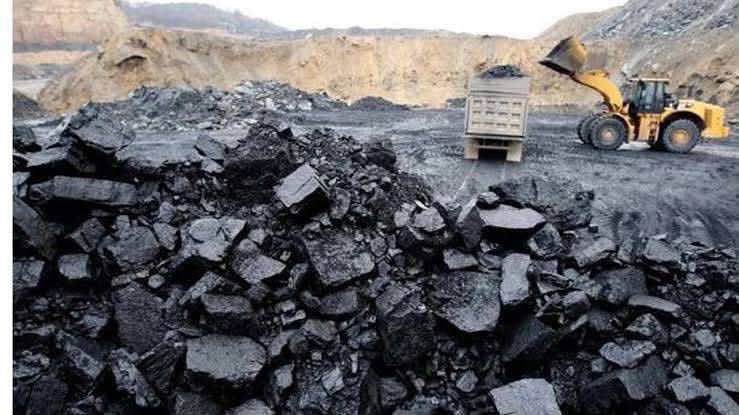

A new report has revealed that China's mining company, Zijin has started exporting lithium concentrate from its Manono project in the Democratic Republic of Congo. The shipments mark the first time the African country has exported lithium.
- Zijin, a Chinese mining company, started exporting lithium concentrate from the Manono project in the DRC.
- African countries are increasingly pushing for local processing of natural resources, following moves like Nigeria's cocoa export ban.
- All lithium exports from the project are currently destined for China.
- Meanwhile, US-backed KoBold Metals has delayed nearby development due to unresolved legal disputes.
The exports began in June 2026 after the project's processing plant entered production in May 2026, which was one month ahead of schedule.
The shipments are currently traveling overland and by water, with expectations that the material will reach Chinese refineries by October 2026.
According to a report from an unnamed source with direct knowledge of the mining operations "Exports started in June as planned,." The source also confirmed that "They are shipping everything to China."
The lithium contest
The Manono project is a joint venture owned 54.9% by Zijin, with the state-owned miner Cominiere holding 35.1% and the Congolese government holding the remaining 10%.
Reuters reported that the project has been highly contested following the government's decision to revoke the license of Australian miner AVZ Minerals and reassign the deposit. The site is recognized as one of the largest undeveloped hard-rock lithium resources in the world.
DON'T MISS THIS: Africa’s lithium boom gets fresh boost, but miners face a familiar threat
The start of these shipments reinforces the position of Chinese mining firms in the country, where other Chinese corporations such as CMOC and Huayou Cobalt already run major operations.
![Lithium bearing rock in the open pit at the Bikita Minerals lithium mine, operated by Sinomine Resource Group Co., in Bikita, Zimbabwe, on Tuesday, Nov. 19, 2024. [Cynthia R Matonhodze/Bloomberg via Getty Images]](https://ocdn.eu/pulscms/MDA_/4b8d65136f952fc2dd5a3c3481a7fb03.jpg)
In contrast, United States-backed KoBold Metals, which holds exploration rights on an adjacent block of the Manono deposit, has delayed construction until all outstanding legal disputes over the project ownership are completely resolved.
Why lithium export might not be good news
Africa is rich in a diverse array of resources, ranging from vital agricultural commodities like cocoa to vast reserves of critical minerals, gold, diamonds, cobalt, and lithium.
However, the countries exporting these resources remain largely underdeveloped, a paradox that has become a major cause of concern for African leaders.
DON'T MISS THIS: CEMAC’s largest economy expects a $1.75 billion mining windfall to overtake oil
To address this, major steps are being taken toward resource nationalism and domestic value addition.
For example, in July 2026, leaders and representatives from major cocoa-producing African nations, which together export approximately 70 percent of the world's cocoa beans, met in Abuja, Nigeria, to sign a landmark agreement.
![A farmer sifts through cocoa beans at a farm in the village of Offoumpo, near Agboville, on April 7, 2024. [Photo by Issouf SANOGO / AFP) (Photo by ISSOUF SANOGO/AFP via Getty Images]](https://ocdn.eu/pulscms/MDA_/6c2d0a18f3265caedbe6c2b08a1bba7f.jpg)
This accord officially established the Cocoa Value Addition Alliance to phase out raw bean exports in favor of domestic processing and manufacturing, capturing a larger share of the global market.
Direct action followed the summit immediately as Nigeria announced a strict ban on the export of raw cocoa beans to force domestic grinding and processing.
DON'T MISS THIS: World’s fourth-largest cocoa producer bans raw exports to the West
On the mineral front, Zimbabwe previously took a decisive step by banning the export of raw, unprocessed lithium to ensure that processing refineries are built locally instead of abroad.
Several other African nations are currently implementing similar frameworks to restrict the shipment of completely raw materials to Western and Asian markets.
If these resource-retention efforts succeed, Africa’s industrialization will accelerate, finally allowing resource-rich nations to secure the lion's share of the revenue generated by their own natural wealth.