D34M AGREEN project launched to reshape youth skills, farming
Speaking at the launch, EU Deputy Head of Mission, Raphael Brigandi, described the project as timely and necessary. “With a €400,000 investment over 30 months, this initiative will allow us together to strengthen Vocational Education and Training in The Gambia, while at the same time support sustainable rural development and climate-smart agriculture,” he said. He stressed the importance of skills in national development. “Vocational education is not just about skills it is about opportunity, resilience, and empowerment,” he noted, adding that agriculture remains central to livelihoods, with about 72 percent of the population dependent on it. “Today, only a small number of farmers in The Gambia produce for commercial markets, and many young people struggle to access decent jobs,” he said, while emphasising that the project will help align training with real economic opportunities. Lamin Camara, Deputy Permanent Secretary at the Ministry of Youth and Sports, said the project will introduce major reforms in the training system. “AGREEN Gambia plans to develop the first structured training program for TVET educators in The Gambia, equipping instructors with competency based teaching skills, digital education tools, and inclusive method strategies,” he stated. He added that the project will also create a national climate smart agriculture curriculum and expand opportunities for apprenticeships and partnerships with employers. “These investments are in line with government policy to prepare our youth for employability,” Camara said. Highlighting the urgency, he noted “The Gambia youth population constitute about 70 percent under 35 years old, which is more alarming in terms of nurturing them for a productive workforce.” Board member Modou N.S. Njie described the initiative as a major step toward bridging long-standing gaps in entrepreneurship support. “The AGREEN GAMBIA PROJECT is based on a multilateral partnership aiming to support the relevance, accessibility and responsiveness of TVET institutions,” he said. He added that the project will contribute to job creation and strengthen support systems for startups and young entrepreneurs. Officials say the project would promote inclusive entrepreneurship, strengthen partnerships between training institutions and employers, and support a shift toward a green economy.
 Black News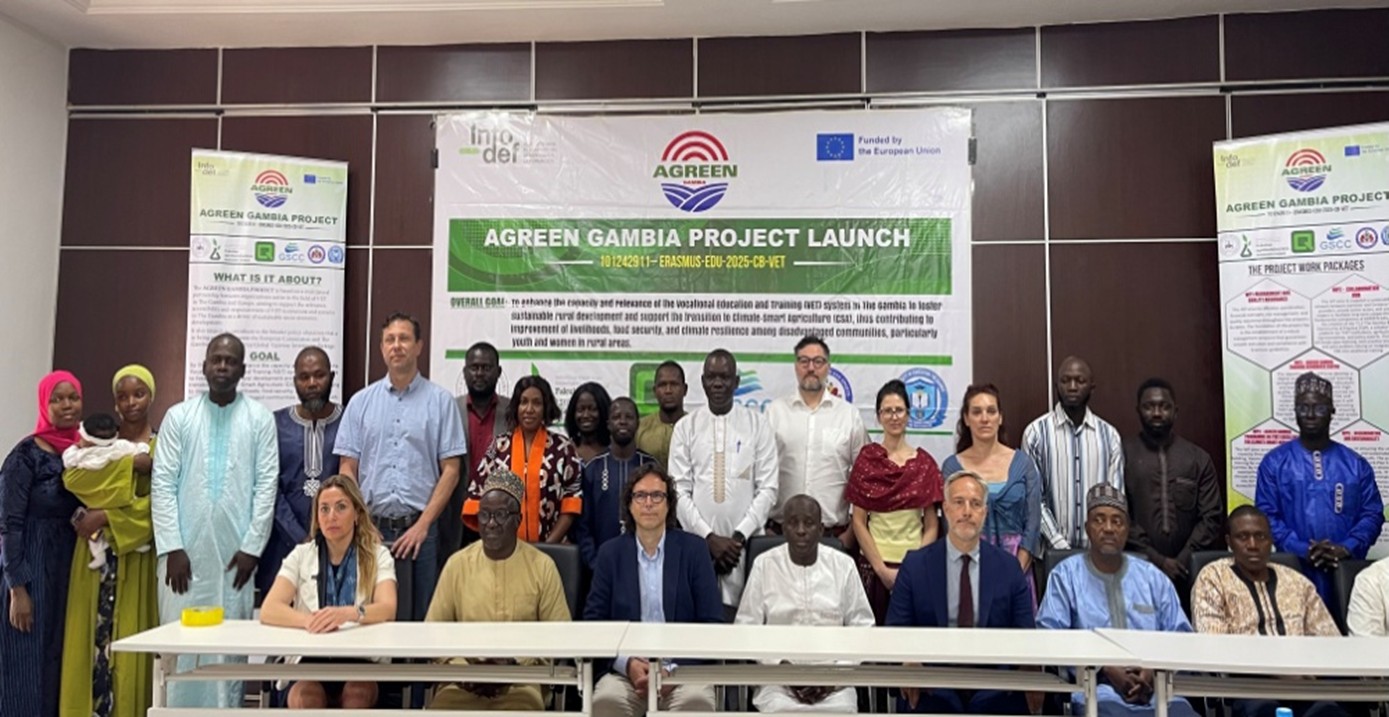
Speaking at the launch, EU Deputy Head of Mission, Raphael Brigandi, described the project as timely and necessary. “With a €400,000 investment over 30 months, this initiative will allow us together to strengthen Vocational Education and Training in The Gambia, while at the same time support sustainable rural development and climate-smart agriculture,” he said.
He stressed the importance of skills in national development. “Vocational education is not just about skills it is about opportunity, resilience, and empowerment,” he noted, adding that agriculture remains central to livelihoods, with about 72 percent of the population dependent on it.
“Today, only a small number of farmers in The Gambia produce for commercial markets, and many young people struggle to access decent jobs,” he said, while emphasising that the project will help align training with real economic opportunities.
Lamin Camara, Deputy Permanent Secretary at the Ministry of Youth and Sports, said the project will introduce major reforms in the training system. “AGREEN Gambia plans to develop the first structured training program for TVET educators in The Gambia, equipping instructors with competency based teaching skills, digital education tools, and inclusive method strategies,” he stated.
He added that the project will also create a national climate smart agriculture curriculum and expand opportunities for apprenticeships and partnerships with employers. “These investments are in line with government policy to prepare our youth for employability,” Camara said.
Highlighting the urgency, he noted “The Gambia youth population constitute about 70 percent under 35 years old, which is more alarming in terms of nurturing them for a productive workforce.”
Board member Modou N.S. Njie described the initiative as a major step toward bridging long-standing gaps in entrepreneurship support. “The AGREEN GAMBIA PROJECT is based on a multilateral partnership aiming to support the relevance, accessibility and responsiveness of TVET institutions,” he said.
He added that the project will contribute to job creation and strengthen support systems for startups and young entrepreneurs.
Officials say the project would promote inclusive entrepreneurship, strengthen partnerships between training institutions and employers, and support a shift toward a green economy.