Honoring a Pioneer, Confronting a Crisis
This is The Joyful Doctor, Janine James, M.D. But today has not been joyful. In fact, the last couple of weeks have not been joyful. I learned this morning of […]
 Black News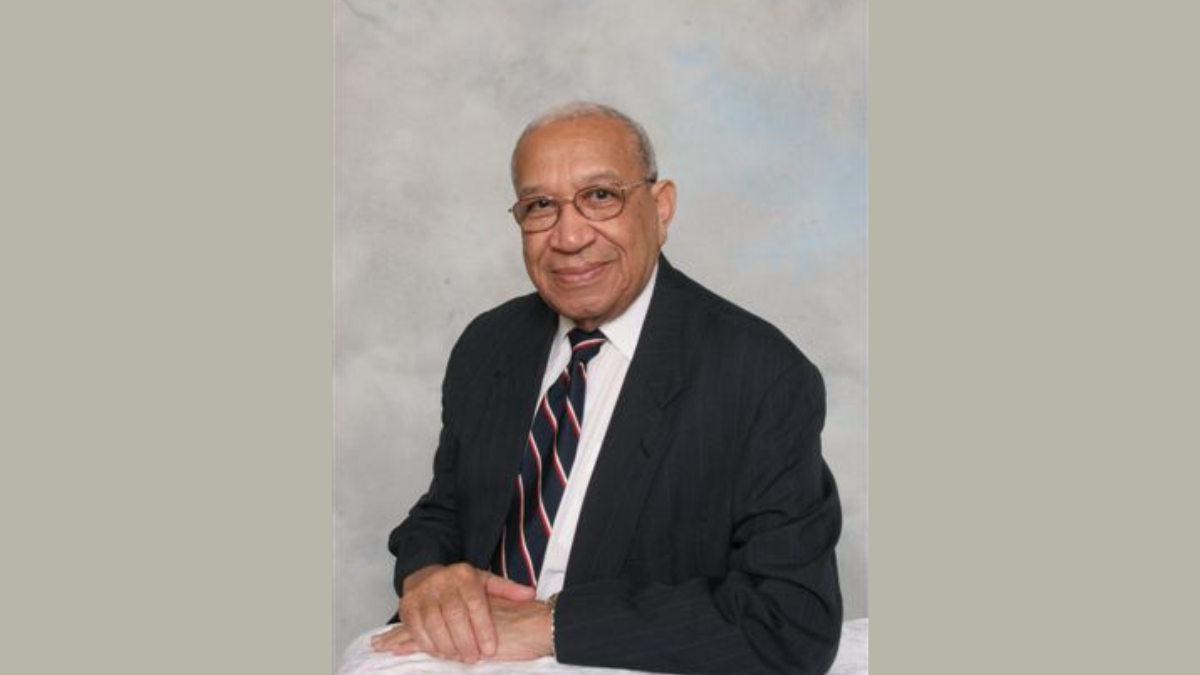
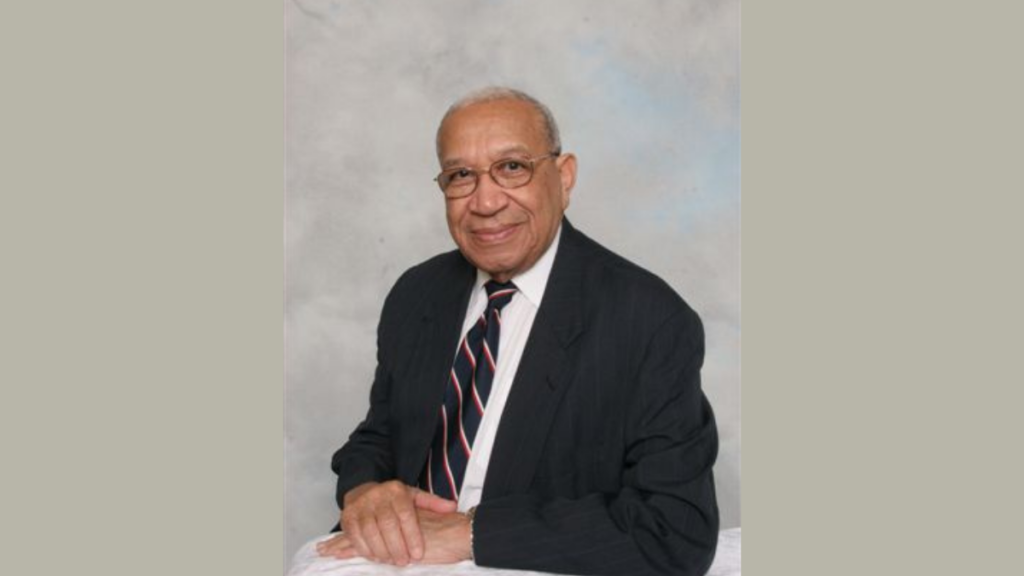

This is The Joyful Doctor, Janine James, M.D. But today has not been joyful. In fact, the last couple of weeks have not been joyful. I learned this morning of the passing of Dr. William Finlayson, an obstetrician-gynecologist who has practiced in Milwaukee since 1958. He was the first African American obstetrician-gynecologist to receive privileges at a major Milwaukee hospital, Saint Joseph Hospital, and then later Mount Sinai Hospital (now Advocate Aurora Sinai Medical Center. It is hard to imagine there was a time when black physicians did not have admitting privileges at American hospitals. I’m told that Dr. Finlayson delivered over 10,000 babies throughout his career. I had the privilege to work with Dr. Finlayson at both St. Joseph and Sinai Medical Center. Dr. Finlayson and his partner, Dr. Wayman Parker, provided women’s healthcare to their patients, safely, respectfully, and with clinical and social knowledge. Dr. Finlayson was an extraordinary man and and a incredible physician. I had just finished my fellowship in maternal-fetal medicine at the University of Illinois in Chicago. I was recruited to Milwaukee principally because of concerns related to Milwaukee to study the high rate of African American babies being born to teenage mothers. As the chief of obstetrics, I observed that was not the only concern facing Milwaukee women. Despite access to healthcare, good education and financial resources, I noticed black mothers experiencing the same challenges in their pregnancies and worst than black women experience in third world countries. I asked that we begin to study more closely the pregnancies of the women receiving care at Mount Sinai Hospital. I became the subject of study after I left the faculty and practiced independently; I became the focus of review. Not to observe why my patients were doing well. My patients, like those of Dr. Finlayson and Dr. Parker, had no adverse outcomes. When it became apparent that I was more of a concern for the department, I resigned and practiced at seven other hospitals in Milwaukee. Instead of being told “thank you for your service,” I was reported to the National Practitioners Databank for resigning from a hospital during an investigation to avoid becoming the subject of an adverse action by that hospital. The consequences for a physician being listed in the databank is much like a professional lynching for a physician. The concern I raised, however, would be described as a health disparity. In 2002, the Institute of Medicine studied the outcomes experienced by black women and their babies from many major cities. Their conclusion, African American women were three times more likely to die or experience complications of their pregnancies compared to other groups of women. Additionally, their babies were three times more likely to die during their first year of life. Despite more people talking about the health disparities, here continues to be more and more attention to the outcome of the pregnancies of African American women. There have been many workshops to study this issue; however, the problem has worsened over the last 35 years since I first observed it. I have never been asked what I thought contributed to the problem and what I thought could be done about it. I have traveled throughout the country, providing maternal-fetal medicine care in academic medical centers, federally qualified health centers (where I was the chief medical officer), and independent maternal-fetal medicine practices.
The safety of black women is just not a priority for the healthcare system or by those who could do the research that would serve to improve the safety of black mothers and their babies. I traveled to San Antonio, Texas, where I was being considered to start a maternal-fetal medicine clinic for Tenet Healthcare, Baptist Health Network. They anticipate growth in their predominantly Hispanic patient population. Despite my forty years of experience, credentials and safety record the informed me that I would not be a good match for them. I applied to the Medical College of Wisconsin. For the third time, I’ve submitted an application to the maternal-fetal medicine division, but I haven’t received a response, and I’ve been told there is no interest. This leads me to ask who is better equipped? I am a member of a national public service sorority, Delta Sigma Theta Sorority, Incorporated who assembled a program this month on Maternal Safety to inform the community about the challenges of pregnancy for black and brown women and to celebrate with a community baby shower. I shared my resume with the members of the planning committee so they would be aware of my background in maternal-fetal health. Even my sorority members did not bother to invite me to participate in the program, except to register our guests and pass out gift baskets. Are we so caught up in the age of our workforce that we don’t understand that all hands and minds need to be working toward the betterment of all?
It has been a glorious career. I am so fortunate to have served women whose children have survived and prospered. Our legacies have gone on to do great things. I delivered the first African American Lieutenant Governor of the state of Wisconsin, Mandela Barnes, who is also running for governor. My babies have become physicians and nurses. They are teachers and artists in the entertainment industry. They are vice presidents of banks and accountants. I am the Godmother to many of the children I delivered. I’ve had a chance to participate and observe their progress. I know what is required to nurture children. What we have learned from patients is that many women and their families do not feel that their concerns are not being heard. They report they feel their concerns are minimized. They are told everything is normal, and they are doing well. However, they are not OK. Many black mothers subsequently experience complications of their pregnancies. It’s interesting that all the women who’ve died do so in the hospital during or following their pregnancies, all interacted with a healthcare professional. I am the grandmother of two children born four and two years ago. Their mother’s pregnancies were challenged. I was able to observe firsthand the kind of care our community is receiving. I wonder what happens to other mothers who don’t have a grandmother who is a maternal-fetal medicine specialist? The answer is not a pleasant one.
Let’s explore next time what can be done to improve outcomes for black mothers to keep them safe. Let me know your thoughts on this subject. You can call or text me at 414-581-1569 or email me at perinatalcenter@aol.com. I would love to hear from you. We will talk about what I think, and hopefully, you will share your ideas on what should be done to keep black mothers and their babies safe. This will make the Doctor Joyful.