How should African education systems adapt to the challenges of sustainable finance?
Faced with the scale of digital and energy transitions, African universities are under growing pressure to adapt their curricula to the continent’s realities. Mohamed Amine Issami, Professor of Finance at ISCAE Group, and Maher Gassab, Professor of Economics at ESC Tunis and former Director General of Higher Education in Tunisia, explain to New African how […] The post How should African education systems adapt to the challenges of sustainable finance? appeared first on New African Magazine.
 Black News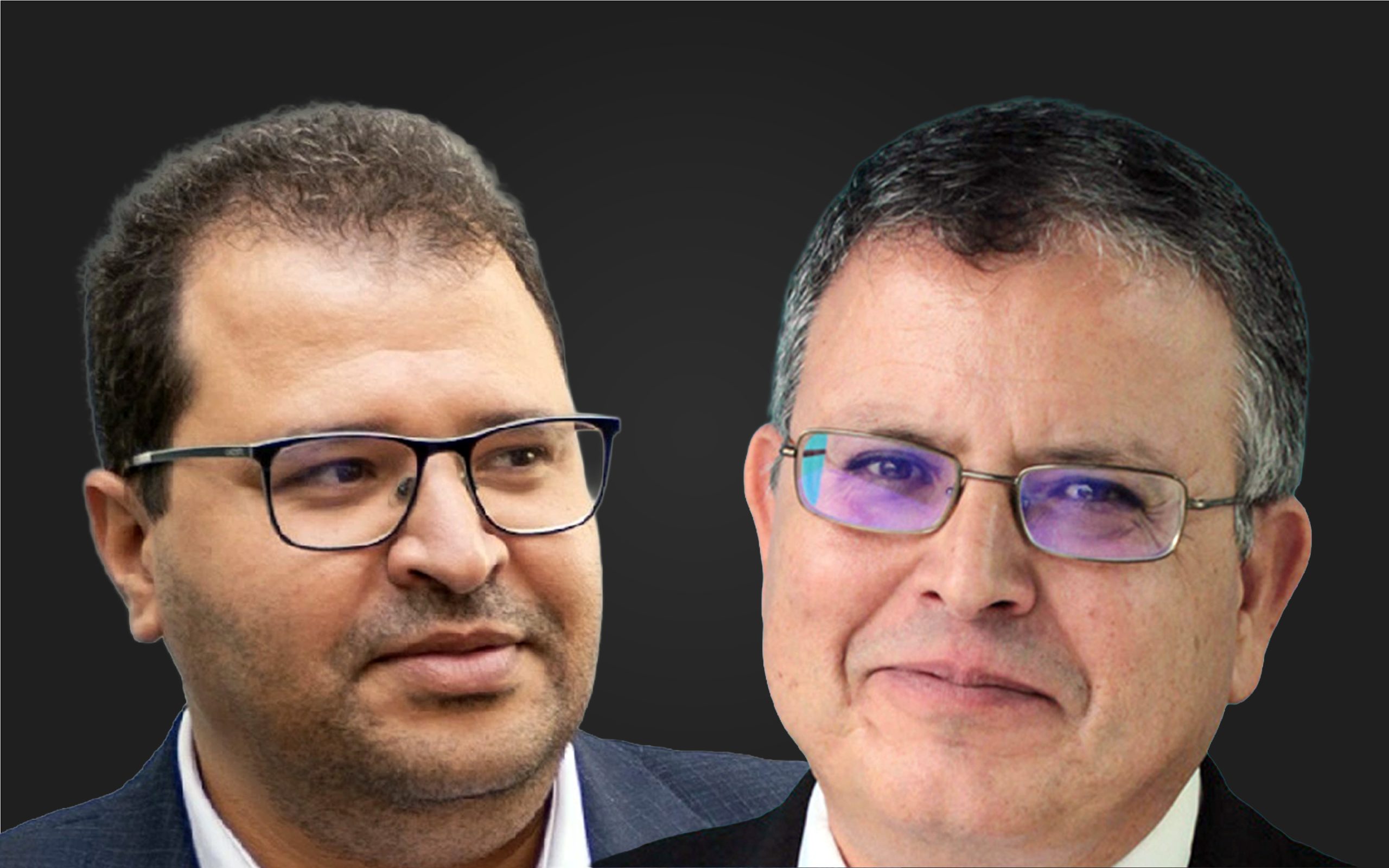
Faced with the scale of digital and energy transitions, African universities are under growing pressure to adapt their curricula to the continent’s realities. Mohamed Amine Issami, Professor of Finance at ISCAE Group, and Maher Gassab, Professor of Economics at ESC Tunis and former Director General of Higher Education in Tunisia, explain to New African how education can support Africa’s sustainable transition.
What does Africa need in terms of professional training for its development?
Mohamed Amine Issami: Continuous training must be seen as lifelong learning that professionals need to embrace, starting with a stronger awareness of the importance of sustainable finance across different professions. Many African institutions still offer programmes that are largely theoretical and conceptual, without case studies reflecting the continent’s realities. Training must be grounded in practical cases and build strong expertise across sectors. Participants—from financial services, banks, or companies engaged in sustainability—need concrete skills: how to diagnose situations, develop metrics, and use sustainable finance tools. This is not limited to finance alone; it also applies to fields such as sustainable marketing and responsible management.
How can sustainability be made more attractive to students, given that it is often perceived as technical and jargon-heavy?
Maher Gassab: First, it must be recognised that sustainable finance remains relatively overlooked in universities, even if students are increasingly sensitive to sustainability issues. The issue isn’t whether it is attractive; it’s that it’s under-taught. Before popularising the concept in academic programmes, research must be strengthened, particularly applied research on African countries. Sustainable finance is well developed in OECD countries and China, but in Africa, it remains largely unfamiliar. A dedicated module should be integrated into all finance programmes in African universities. This would help students become familiar with the concept and encourage research on this financing model, which is essential for the sustainability of our economies.
Mohamed Amine Issami: Students must also be offered career prospects, because education is not an end in itself. Collaboration between universities, business schools and companies is essential, including partnerships with ESG rating agencies and regulators. This field offers real job opportunities, which can strongly motivate students who choose this career path.
How can these programmes be made accessible to all, particularly those from agricultural backgrounds, given that agriculture accounted for around 60% of youth employment in sub-Saharan Africa in 2021, according to the International Labour Organisation?
Mohamed Amine Issami: Through professional training programmes designed for clearly identified profiles. Agriculture remains a key pillar of African economies. If we develop agile training systems tailored to specific needs—whether at the regional level or across different parts of the continent—we can build targeted skills that directly support production and value creation.
Maher Gassab: Research and doctoral programmes must go hand in hand with vocational training, because profiles differ. Some students can develop models and demonstrate the importance of sustainable finance for African economies, while others need practical tools to implement sustainable finance products within their sectors. Both approaches are necessary.
African universities have long been influenced by European models, particularly French and British ones. Can Africa now develop its own approach to teaching sustainability?
Mohamed Amine Issami: I would rather say they have been benchmarked. In education design, benchmarking helps identify best practices. Today, we have all the conditions needed to build training systems that reflect African realities. There is growing awareness in universities and business schools of the need to align curricula with local economic contexts. This will enable programmes that are better adapted to the continent’s development priorities.
Maher Gassab: In traditional disciplines, it is difficult to move too far away from European university structures. But in sustainability, the solution lies in transversal, Africa-focused programmes. I can cite an initiative that will be launched next year at the University of Manouba: a multidisciplinary Master’s in African Studies on Sustainable Development, under the UNESCO Chair for Higher Education for Sustainable Development in Africa. It combines African history and culture with sustainable development issues. Students are not necessarily from economically disadvantaged backgrounds, and they are required to learn at least one African language. This type of pedagogical innovation is essential, even if some still question its relevance. A committed core already supports this Africa-centred, multidisciplinary approach.
The post How should African education systems adapt to the challenges of sustainable finance? appeared first on New African Magazine.