India’s Cola King and billionaire Ravi Jaipuria opens $40 million manufacturing plant in Southern Africa
Indian billionaire Ravi Jaipuria is accelerating his expansion across Africa after opening a $40 million snacks, juice, and dairy manufacturing complex in Zimbabwe, deepening his footprint in one of the continent’s fastest-growing consumer markets.
 Black News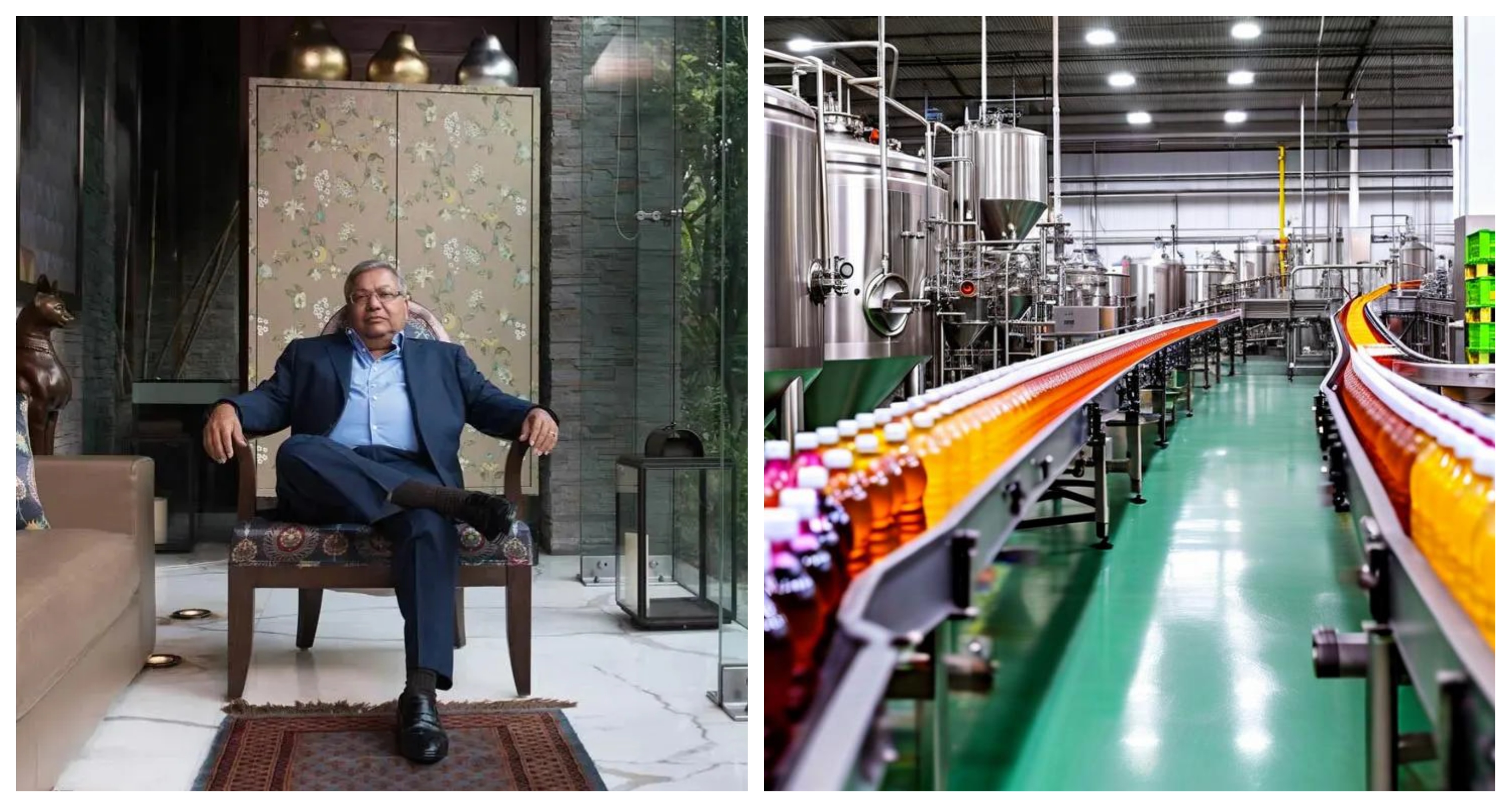

Indian billionaire Ravi Jaipuria is accelerating his expansion across Africa after opening a $40 million snacks, juice, and dairy manufacturing complex in Zimbabwe, deepening his footprint in one of the continent’s fastest-growing consumer markets.
- Indian billionaire Ravi Jaipuria is rapidly expanding his investment in Africa, notably with a $40 million snacks, juice, and dairy complex in Zimbabwe.
- Through Varun Beverages, the company recently acquired South African beverage producer Twizza for $125 million, boosting its competitive position in the region.
- Varun Beverages now operates in several African countries and is setting up a subsidiary in Kenya to further manufacturing and distribution.
- Jaipuria announced a $650 million investment plan over the next five years for Zimbabwe, including significant projects in renewable energy and recycling.
The new facilities, launched through Varun Beverages, include a Cheetos manufacturing plant and a juice and dairy blend production facility, marking another major investment push by the Pepsi bottling giant in Southern Africa.
The expansion comes weeks after Varun Beverages completed its $125 million acquisition of South African beverage producer Twizza through its subsidiary, The Beverage Company (BevCo), strengthening its position in Africa’s competitive soft drinks market.
The deal, finalised in April after regulatory approvals, forms part of a broader strategy by the company to deepen its African presence as domestic growth in India slows due to weather-related disruptions and changing consumption trends.
The company has also been expanding aggressively in Central Africa. In June 2025, Varun Beverages RDC SAS, the Congolese subsidiary of Varun Beverages, launched construction of a new Pepsi bottling plant in the Kiswishi Special Economic Zone near Lubumbashi in the Democratic Republic of the Congo.
The project, first announced in September 2024, spans 15 hectares and represents a $50 million investment aimed at serving Lubumbashi and the wider Haut-Katanga province.
Varun Beverages, PepsiCo’s largest bottling partner outside the United States, now operates across Morocco, Zambia, Zimbabwe, South Africa, Lesotho, Eswatini, and the Democratic Republic of the Congo, while also holding distribution rights in Namibia, Botswana, Mozambique, and Madagascar.
The company is also setting up a wholly owned subsidiary in Kenya for manufacturing and distribution.
Billionaire’s consumer empire expands
Jaipuria, widely known as India’s “Cola King,” has increasingly positioned Africa at the centre of his global expansion strategy.
According to Forbes, the 70-year-old businessman has a net worth of about $12.3 billion, built through his sprawling soft drinks, bottling, restaurant, and food manufacturing empire.
Zimbabwean President Emmerson Mnangagwa praised the latest investment, saying it would support industrial diversification, employment creation, and integration into regional and global manufacturing value chains.
“The added US$20 million investment by Varun Beverages marks industrial diversification, creation of employment opportunities for our people and manufacturing sector integration into both regional and global value chains,” Mnangagwa said during the commissioning ceremony.
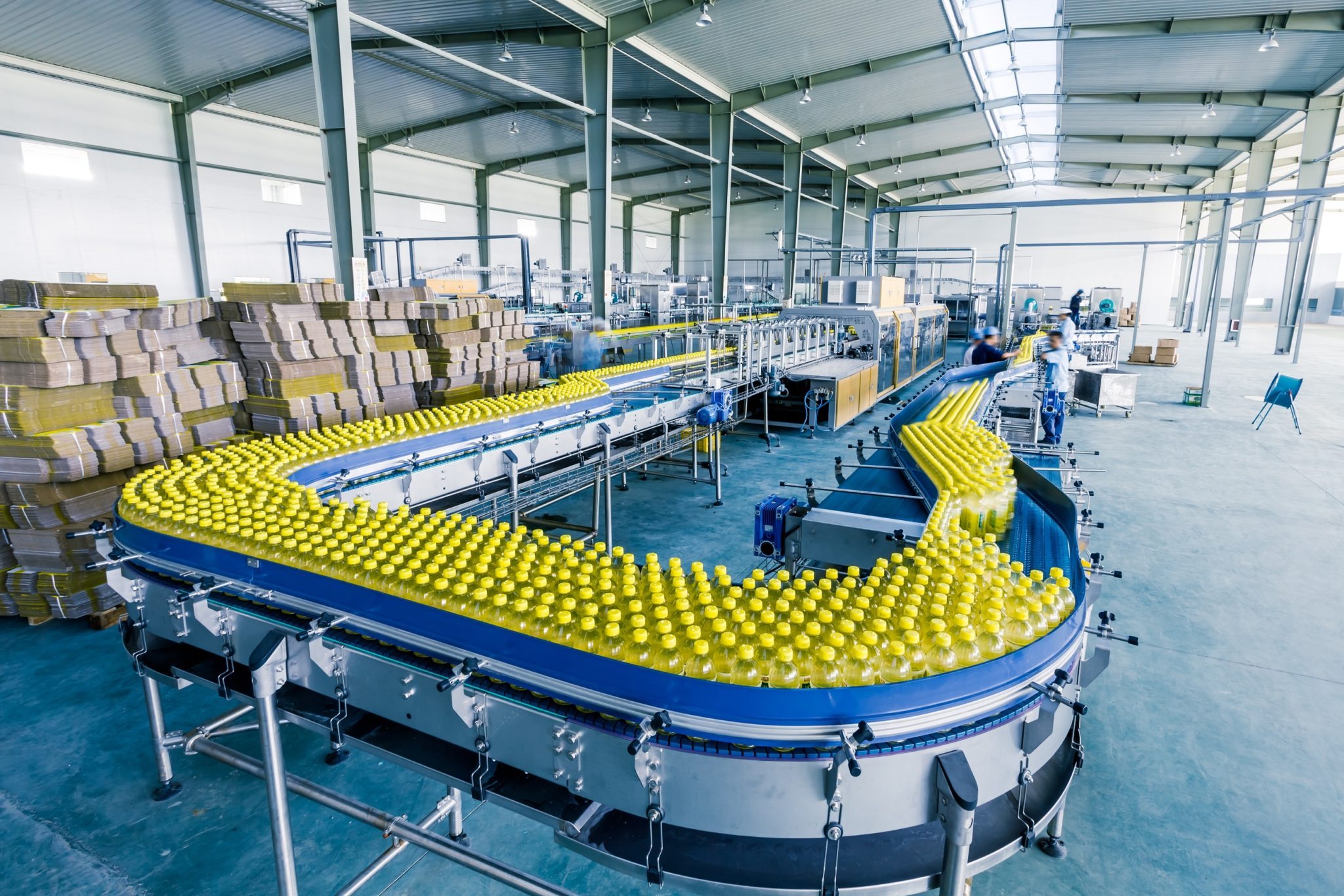
Authorities said the company had expanded significantly over the past eight years, growing from a single production line producing 10 million bottles monthly to six production lines with capacity approaching 120 million bottles per month.
The facilities directly employ about 2,000 people while supporting another 13,000 indirect jobs across logistics, retail, distribution, and farming.
Renewable energy and local manufacturing push
Jaipuria also announced a broader $650 million investment plan for Zimbabwe over the next five years spanning renewable energy, recycling, beverages, and industrial manufacturing.
A 130-megawatt green energy project valued at between $300 million and $350 million is already under development in Matobo.
“We are putting up a recyclable PET plant. After putting that plant, imports will reduce substantially, and we will be exporting to other countries from here,” Jaipuria said.
Zimbabwe’s Industry Minister Nqobizitha Ndlovu said the project would strengthen local supply chains by creating opportunities for grain farmers supplying snack ingredients as well as women and youth involved in rural distribution networks.
The juice and dairy blend facility, expected to begin production later this year, is also projected to create opportunities for dairy farmers, fruit growers, and transporters.