South Africa commits $72 million in bid to shed its status as the country with the world's largest HIV epidemic
South Africa has committed R1.3 billion ($72 million) to the rollout of Lenacapavir, a breakthrough HIV prevention drug, in an ambitious effort to reduce new infections and tackle the world's largest HIV epidemic.
 Black News
![South Africa commits $72 million in bid to shed its status as the country with the world's largest HIV epidemic [Photo by Per-Anders Pettersson/Getty Images]](https://ocdn.eu/pulscms/MDA_/bf7a1b194784637a73a3d5c4ded23444.jpg)
South Africa has committed R1.3 billion ($72 million) to the rollout of Lenacapavir, a breakthrough HIV prevention drug, in an ambitious effort to reduce new infections and tackle the world's largest HIV epidemic.
- South Africa has allocated R1.3 billion ($72 million) to launch the HIV prevention drug Lenacapavir nationwide.
- Lenacapavir is a long-acting injectable that only requires two doses per year and has shown near-100% effectiveness in trials.
- The first phase will target 360 clinics in 24 districts, focusing on high-risk groups like adolescent girls, young women, and pregnant mothers.
- Funding comes from both South African government sources and international partners such as The Global Fund.
South Africa's President Cyril Ramaphosa recently announced on his X account that a massive R1.3 billion initiative has been launched to roll out Lenacapavir, a groundbreaking long-acting injectable drug for HIV prevention.
Describing the funding as a "catalytic investment," President Ramaphosa emphasized that the partnership reflects a core principle South Africa has consistently championed: that lifesaving medicines must never be a privilege reserved for a select few, but must be accessible to all who need them.
DON'T MISS THIS: Top 10 African countries with the highest number of people living with HIV
To understand why this rollout is being called a major breakthrough, it helps to look at how the drug works. Lenacapavir is a first-of-its-class "capsid inhibitor"—meaning it blocks the outer shell of the virus to stop it from multiplying and invading human cells.
Because the medicine releases into the body slowly, it only needs to be injected twice a year. In massive global clinical trials, including trials conducted directly in South Africa and Uganda, the drug demonstrated near-100% effectiveness.
By replacing the grueling burden of taking a preventative pill every single day with a simple biannual shot, it completely sidesteps the common real-world problem of missed doses.
Funding and Targeted Phase-One Distribution
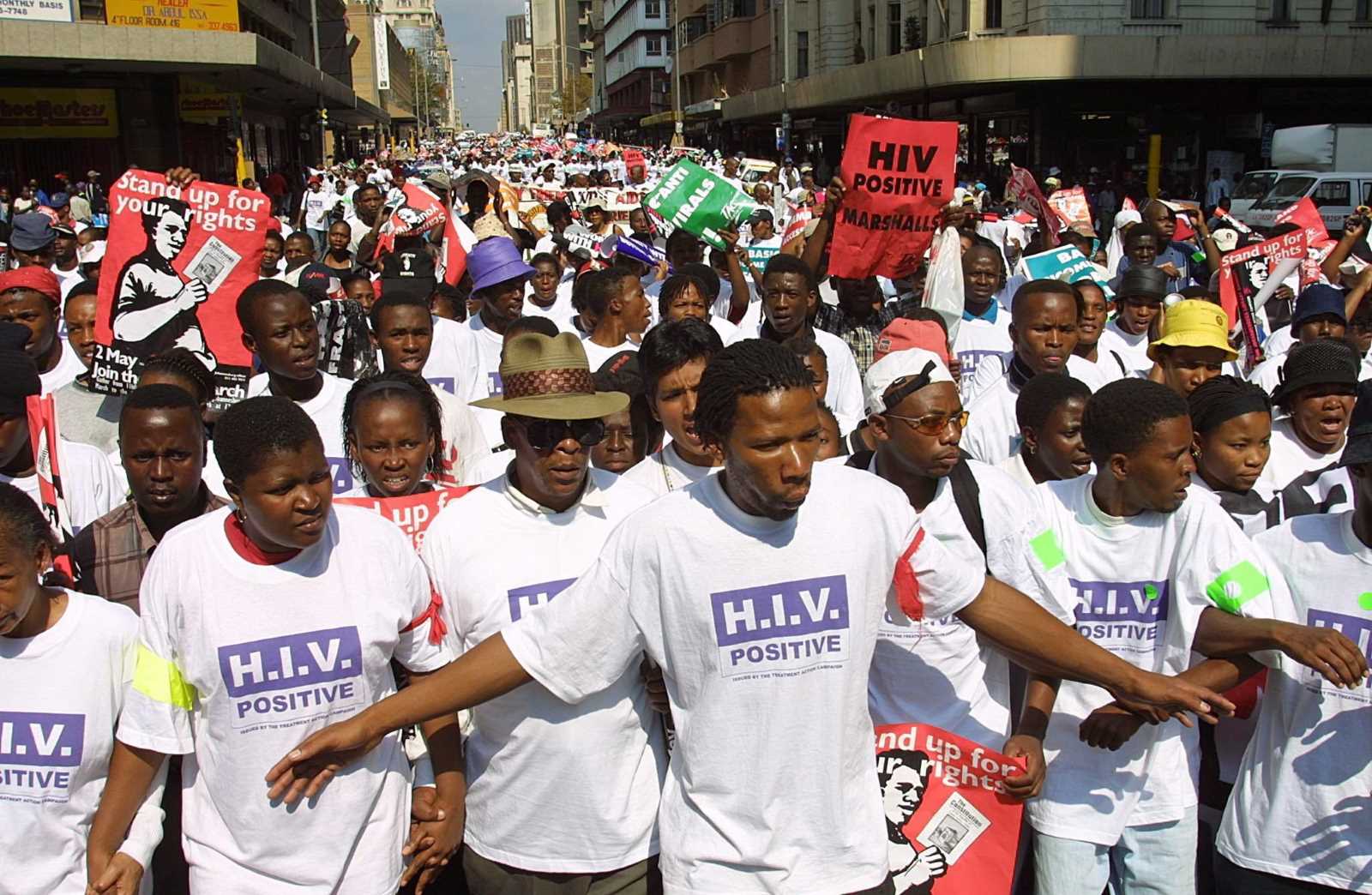
The announcement marks a critical turning point for public health in South Africa, which carries the world's largest HIV burden.
The R1.3 billion rollout is being fueled by a combination of South African government funding and international backing from organizations like The Global Fund and the Children's Investment Fund Foundation (CIFF).
The first phase of the program is set to launch across 360 public health clinics spanning 24 high-burden districts. Government targets aim to reach nearly one million people by the end of 2027, with primary focus given to high-risk demographics, including adolescent girls, young women, and pregnant mothers.
Prohibitive Costs and Shift Toward Domestic Production
While health advocates have hailed the launch as a historic milestone, the rollout faces logistical and economic hurdles.
DON'T MISS THIS: US ignores South Africa as it rolls out HIV-Prevention drug to 12 African countries
Because the brand-name version manufactured by U.S. pharmaceutical giant Gilead is highly expensive, South Africa’s long-term strategy relies heavily on a voluntary licensing agreement.
This agreement is expected to bring cheap, generic versions of the injection to the domestic market by 2027, aligning with a broader continental push to manufacture 60% of Africa's medical products locally by 2040.
Victor Awogbemila