South African-born billionaire becomes Los Angeles' richest man with a net worth of $8.4 billion
South African-born biotech entrepreneur and physician Patrick Soon-Shiong has become the richest person in Los Angeles, with an estimated net worth of $8.4 billion (R139.1 billion).
 Black News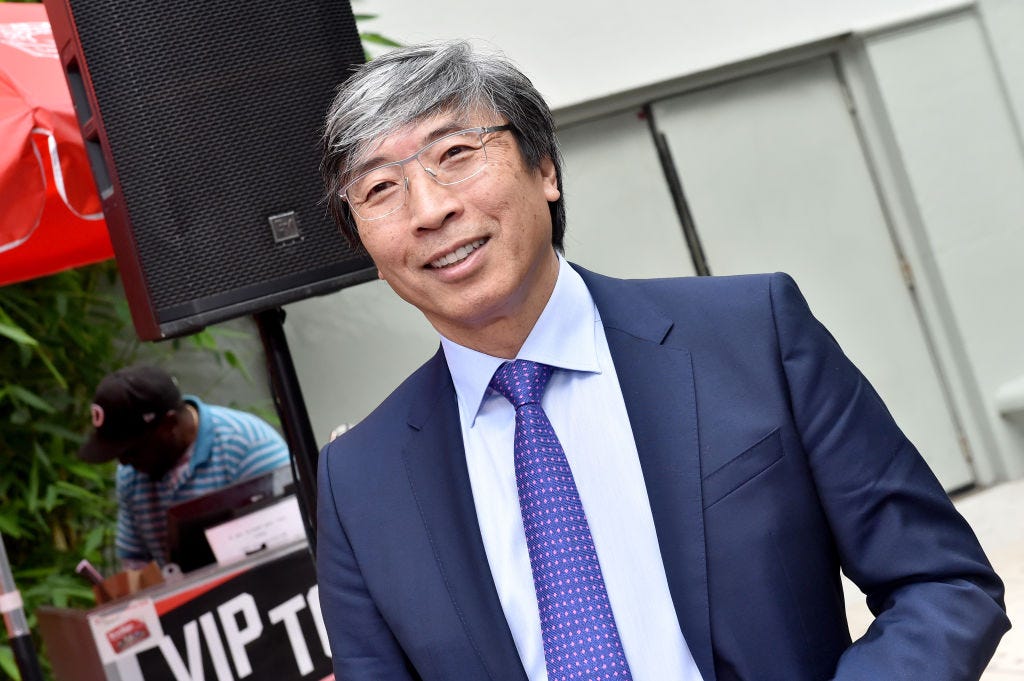
South African-born biotech entrepreneur and physician Patrick Soon-Shiong has become the richest person in Los Angeles, with an estimated net worth of $8.4 billion (R139.1 billion).
- Patrick Soon-Shiong, a South African-born biotech entrepreneur, has become the richest person in Los Angeles with a net worth of $8.4 billion.
- Soon-Shiong built his fortune in North America after leaving South Africa, mainly through biotech companies and developing cancer treatment Abraxane.
- He is among several South African-born business leaders, like Elon Musk, who have achieved global success abroad.
- Despite economic challenges and emigration, South Africa remains Africa’s largest millionaire market, accounting for 34% of the continent's millionaires.
Patrick Soon-Shiong left South Africa after high school and medical school, built a biotech fortune in North America, and is now estimated by Forbes to be worth $8.4 billion in 2026, making him the richest person in Los Angeles.
Soon-Shiong’s rise highlights a recurring pattern: South Africa remains Africa’s largest millionaire market while also producing globally influential billionaires who built much of their wealth abroad, including Elon Musk.
DON'T MISS THIS: South Africa ranks among countries with the fastest billionaire growth globally
Born in Port Elizabeth (now Gqeberha) in 1952, Soon-Shiong completed high school at 16 and graduated from the University of the Witwatersrand at 23.
BusinessTech reports that he faced professional restrictions as a Chinese doctor, needing government permission to practise while receiving only about half the pay of some colleagues.
After moving to Canada and then the United States, he became a surgeon, transplant pioneer, and later a biotechnology entrepreneur.
His wealth was largely created through biotech companies including VivoRx, APP Pharmaceuticals, and Abraxis BioScience, where he developed the cancer treatment Abraxane.
He sold APP Pharmaceuticals in 2008 and Abraxis BioScience in 2010 for a combined $9.1 billion, according to the BusinessTech report. Forbes estimates his net worth at $8.4 billion in 2026.
Soon-Shiong is part of a select group of South African-born business leaders who built global fortunes abroad.
The most prominent example is Elon Musk, while figures such as Mark Shuttleworth and Roelof Botha have also played influential roles in shaping the global technology industry.
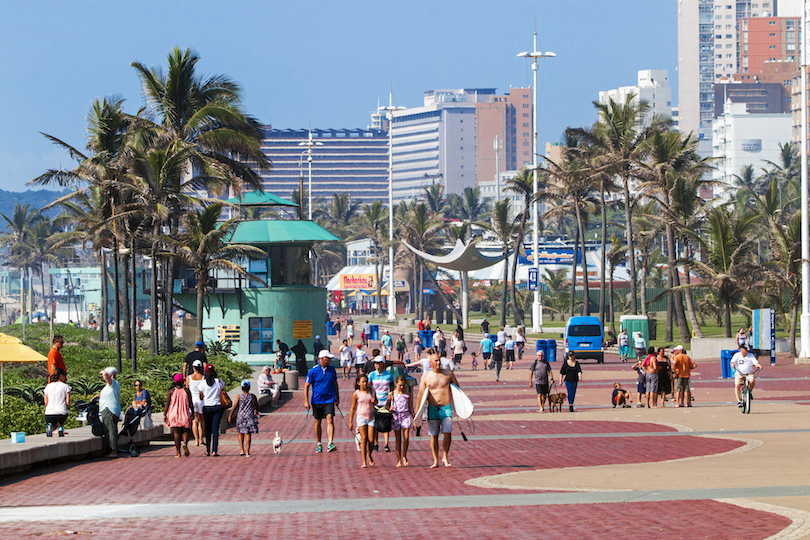
South Africa’s millionaire concentration still leads the continent
Despite sluggish economic growth, persistent power shortages, and the emigration of wealthy residents, South Africa remains Africa’s largest wealth hub.
According to the Africa Wealth Report 2025, the country is home to 41,100 dollar millionaires, 112 centi-millionaires, and eight billionaires, accounting for 34% of all millionaires on the continent.
South Africa's millionaire population is nearly three times that of Egypt and far exceeds Nigeria's, with Johannesburg and Cape Town remaining Africa’s leading wealth centres thanks to deep capital markets, a sophisticated financial sector, and a mature investment ecosystem.
Although the country's millionaire population has declined by about 6% over the past decade, South Africa continues to be the continent’s leading base for entrepreneurs, investors, and business leaders.
Johannesburg, Cape Town, and the Western Cape remain the country’s primary wealth hubs, supported by deep capital markets, legal infrastructure, financial services expertise, and relatively mature private investment ecosystems. These same institutions helped educate and launch figures such as Soon-Shiong before their careers became global.
A continuing South African connection
Unlike some diaspora billionaires who sever operational ties, Soon-Shiong has remained engaged in South Africa’s health sector. In 2021 he joined President Cyril Ramaphosa to announce NantSA, a venture aimed at expanding vaccine development and pharmaceutical manufacturing in Africa.
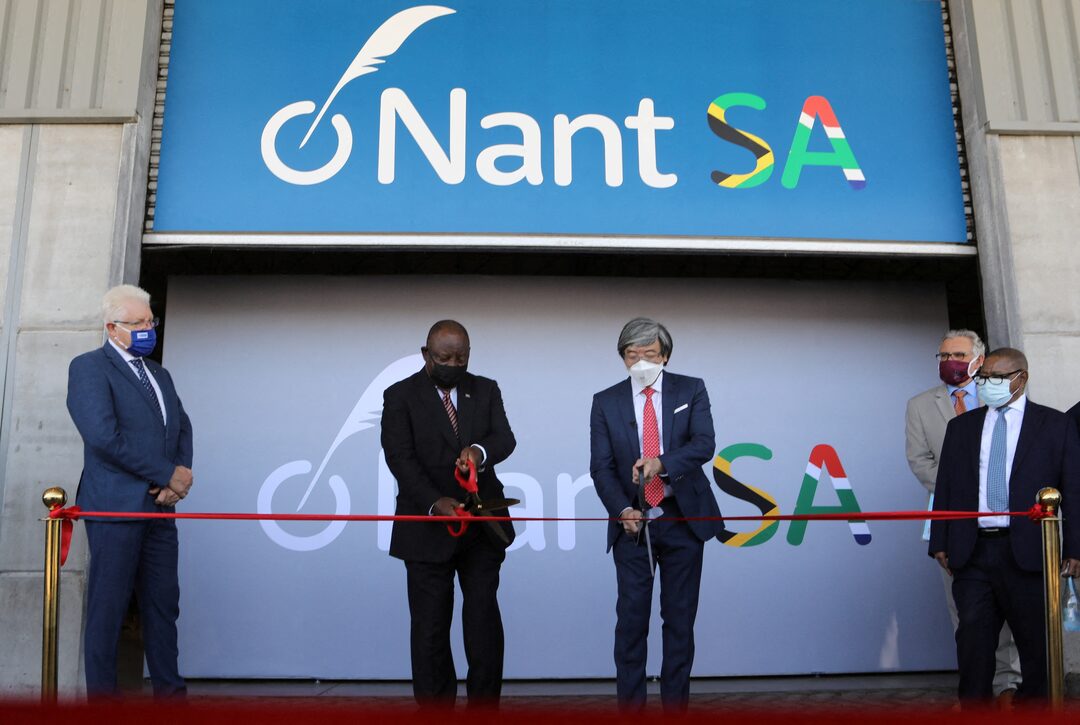
A major vaccine manufacturing campus was launched in Cape Town in 2022, focusing on mRNA and T-cell technologies.
DON'T MISS THIS: South Africa leads Africa in total wealth as millionaires, markets, and metros drive growth
The broader significance is that South Africa is not only exporting entrepreneurial talent; it is also attracting biotechnology investment linked to that diaspora.
Projects involving NantSA, Biovac, and international development finance institutions have positioned the Western Cape as one of the continent’s emerging life-sciences hubs, creating specialized jobs while strengthening local pharmaceutical capacity.
For investors and policymakers, the lesson is less about celebrity wealth rankings and more about the infrastructure that creates them.
South Africa remains Africa’s deepest pool of millionaire households and entrepreneurial talent, but the careers of Soon-Shiong and Musk also show how much of that value creation can occur offshore unless local ecosystems provide competitive opportunities for scaling globally.