South African rhino rancher seeks court approval to send 479 rhino horns to Canada, US, and China despite global trade ban
An Afrikaner rhino rancher is seeking approval from a South African court to export 479 rhino horns to eight locations, including Canada, the U.S., and China, raising significant concerns about its potential to bypass international wildlife trade regulations.
 Black News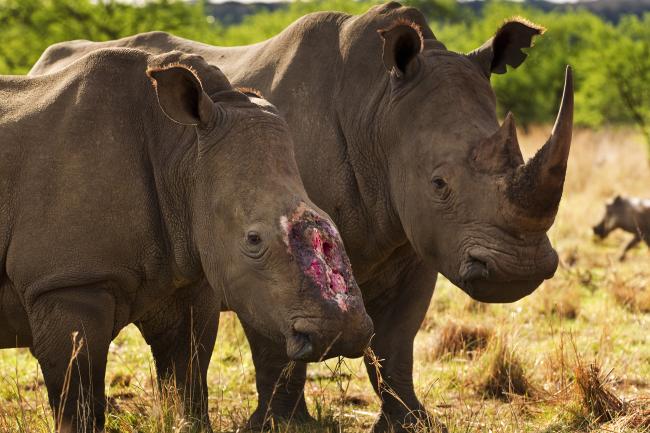

An Afrikaner rhino rancher is seeking approval from a South African court to export 479 rhino horns to eight locations, including Canada, the U.S., and China, raising significant concerns about its potential to bypass international wildlife trade regulations.
- A South African rhino rancher seeks court approval to export 479 rhino horns to eight locations, raising fears about circumventing wildlife trade regulations.
- Most of the shipment is planned for Canada, with smaller amounts to places like the U.S., China, and Vietnam, alarming conservationists.
- The Environmental Investigation Agency warns that increasing rhino horn availability may boost demand and poaching, undermining anti-trafficking efforts.
- The case follows a controversial 2017 court ruling permitting domestic trade in rhino horn in South Africa, despite international bans under CITES.
The Environmental Investigation Agency (EIA) released a report last week profiling Hendrick “Wicus” Diedericks’ case.
The report reveals that the game reserve owner plans to send rhino horns to multiple locations worldwide, including China, Hong Kong SAR, Japan, Laos, Mongolia, the U.S., and Vietnam, with each receiving between three to five horns.
However, the majority of the shipment is intended for a single address in Ontario, Canada, as confirmed by The Globe and Mail, raising heightened concerns about the legality and potential impact of such exports.
The EIA has warned that the exportation could have "devastating consequences" for wild rhino populations.
“Rhino breeders in South Africa are attempting to bend international wildlife trade regulations to their will, undermining decades of South African law,” the EIA stated in the report.
Growing Scrutiny of Rhino Horn Trade
The case comes amid mounting scrutiny of both legal and illegal rhino horn trade.
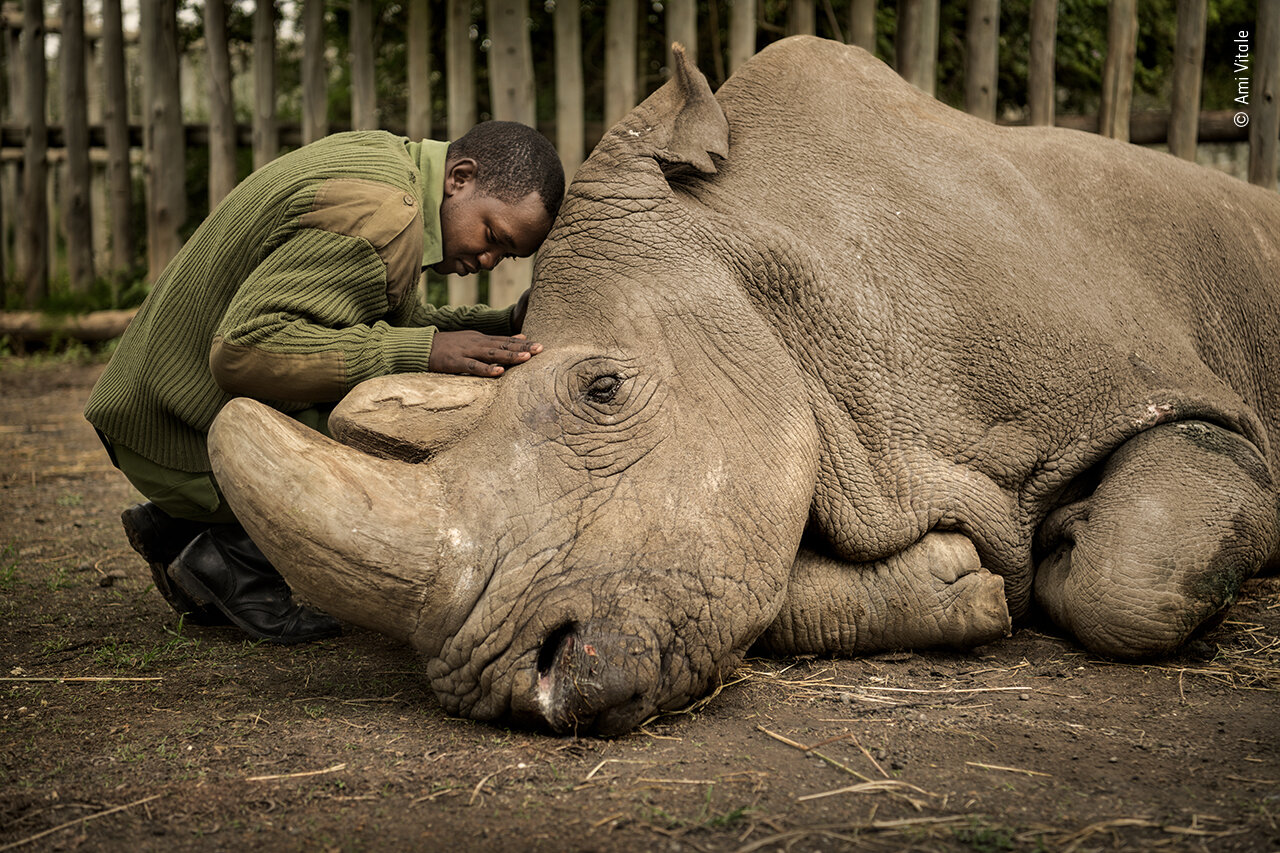
In August 2025, prominent South African conservationist John Hume, who once owned what was believed to be the world’s largest rhino farm, was charged with smuggling rhino horns valued at $14 million.
Hume, an Afrikaner, had bred approximately 2,000 southern white rhinos, roughly 15% of the world’s remaining wild population, on his expansive 7,800-hectare (19,270-acre) Platinum Rhino ranch. However, in 2023, Hume sold the ranch and its rhinos to African Parks.
South Africa’s Department of Forestry, Fisheries, and the Environment reported, “The syndicate is linked to a fraudulent scheme involving 964 rhino horns, worth millions of rands, destined for illegal markets in Southeast Asia.”
Implications of South Africa’s 2025 Court Ruling
Diedericks' and Hume's cases are interconnected, stemming from a controversial 2017 South African High Court ruling that lifted the ban on rhino horn exports, permitting private individuals to sell rhino horns domestically.
Although international trade remains prohibited under CITES, this ruling has raised significant concerns among conservationists that it could trigger an increase in illegal trade, threatening rhino populations globally.
The EIA has strongly opposed the court ruling, warning that the legal trade of rhino horn will likely stimulate demand, further endangering rhinos.
Calls to amend CITES to allow such trade have been repeatedly rejected by the global community due to the risks posed to rhino populations.
Poaching Persists Despite Decline
South Africa is home to nearly 80% of the world’s rhinos, with an estimated 15,750 rhinos in the country. Among them, the southern white rhino, central to Diedericks’ case, is classified as near-threatened.
While poaching rates declined by 16% in 2025, experts warn the threat remains severe, with poaching syndicates exploiting legal trade loopholes, fueling the black market.
Rhino horn remains in high demand in countries like Vietnam and China, where it is used in traditional medicine.
This demand, combined with its high value, often compared to gold or cocaine, poses a significant risk to rhino populations.
Experts argue that legalizing trade, as Diedericks proposes, could reverse recent progress in curbing poaching and further endanger rhinos.
Instead of staying within South Africa, the horns have allegedly been funneled to illegal markets in Southeast Asia, where they fuel insatiable demand, sought after as status symbols and mistakenly believed to have medicinal properties, such as curing cancer.
Canada’s Role and Regulatory Scrutiny
Meanwhile, Canada, the U.S., and even China have taken steps in recent years to combat the trade in rhino horn and elephant ivory, responding to global concerns over endangered species.
In 2023, Canada banned the domestic trade of rhino horn, signaling its commitment to tackling illegal wildlife trafficking.
Similarly, the United States implemented a domestic ban on the sale of rhino horns in 2014.
The U.S. Fish and Wildlife Service (FWS) enforced this ban as part of its efforts to protect endangered species and reduce demand for illegal wildlife products.
The U.S. is also a signatory of CITES, which prohibits international trade in rhino horns, with limited exceptions for scientific purposes.
In China, while the government banned the domestic trade of rhino horn in 1993 and further tightened restrictions in 2018, illegal trade networks continue to thrive.
Despite China's crackdown, the demand for rhino horn remains high, particularly in Southeast Asia, where it is seen as a luxury item and status symbol.
The latest case underscores the global struggle to curb rhino horn trafficking, with authorities around the world facing ongoing challenges to enforce these bans and protect rhino populations from further exploitation.