UK energy giant considers partial withdrawal from Egypt gas assets following $35bn investment
UK energy major BP is weighing a partial exit from its Egyptian natural gas portfolio, as the group reshapes its global operations under a broader restructuring drive aimed at reducing debt and prioritising higher-return assets, according to people familiar with the matter.
 Black News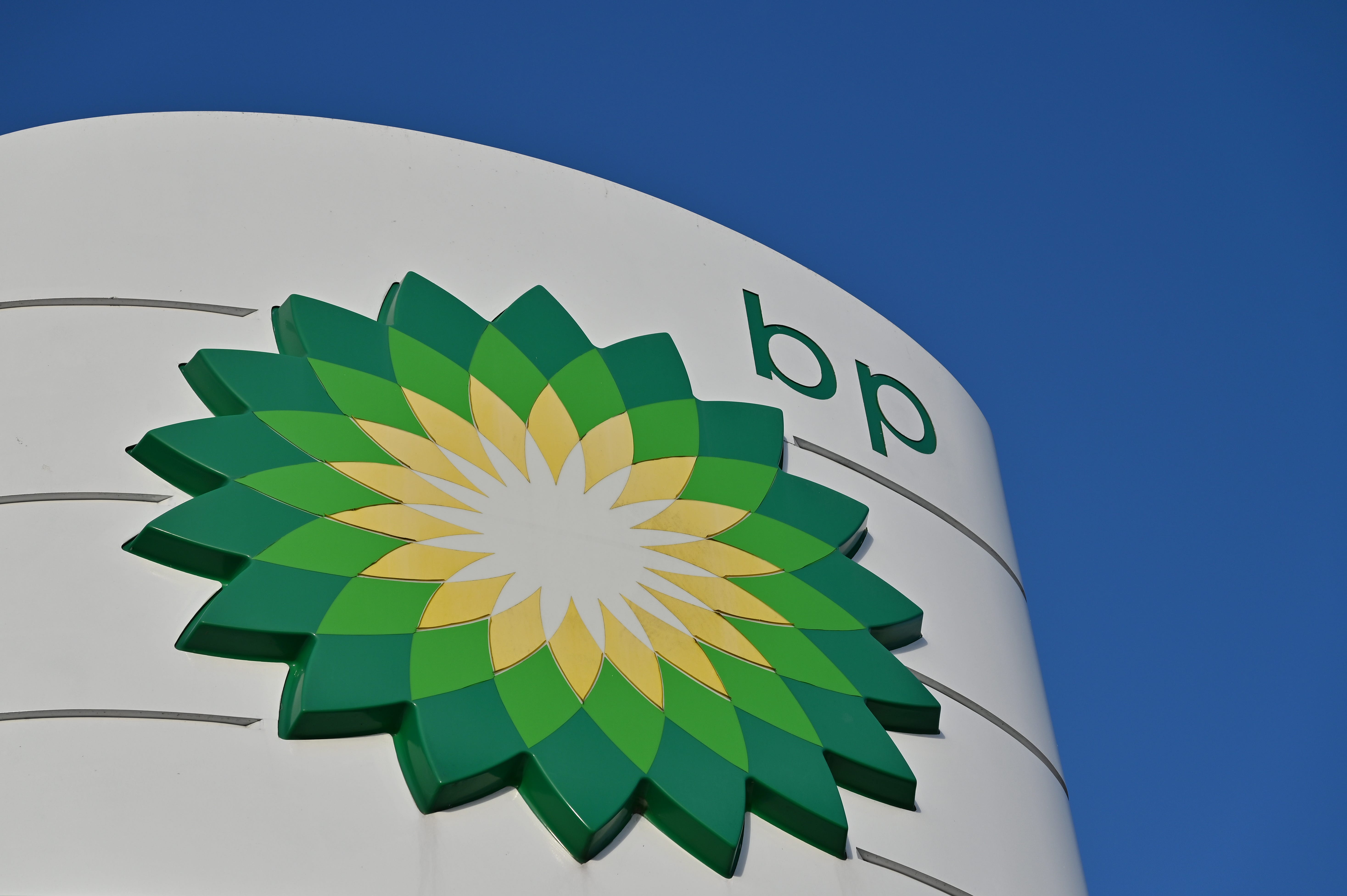
UK energy major BP is weighing a partial exit from its Egyptian natural gas portfolio, as the group reshapes its global operations under a broader restructuring drive aimed at reducing debt and prioritising higher-return assets, according to people familiar with the matter.
- BP is considering selling part of its Egyptian natural gas assets to reduce debt and prioritize higher-return projects under new CEO Meg O’Neill.
- This decision would endanger one of BP’s oldest partnerships in Africa and the Middle East, where it has invested over $35 billion in 60 years.
- BP currently accounts for about 60% of Egypt’s gas output, but its local production has sharply declined by roughly 40% from 2024 levels and 60% from 2023.
- Egypt’s government is aiming to offset potential supply disruptions by attracting new investment.
According to Reuters, BP is considering selling some of its natural gas assets in Egypt as new CEO Meg O’Neill restructures the group to cut debt and refocus on more profitable projects.
The potential move would mark a shift in one of BP’s longest-running energy partnerships in Africa and the Middle East, where it has invested more than $35bn over six decades.
The company currently plays a central role in Egypt’s gas production, accounting for around 60% of national output through joint ventures in the East Nile Delta and BP-operated fields in the West Nile Delta.
These assets include key developments across the North Alexandria and West Mediterranean Deepwater offshore blocks.
BP produced about 518 million cubic feet per day of natural gas in Egypt last year, a sharp decline of roughly 40% from 2024 levels and nearly 60% from 2023, reflecting broader output volatility across mature fields.
Egypt eyes gap-filling strategy as output pressure builds
Egypt is pursuing multiple strategies to limit any potential supply disruption if BP reduces its presence in the country’s gas sector.
The government has moved to restore investor confidence by paying down billions of dollars in arrears owed to international oil companies while continuing to offer new offshore exploration concessions to attract fresh foreign investment.
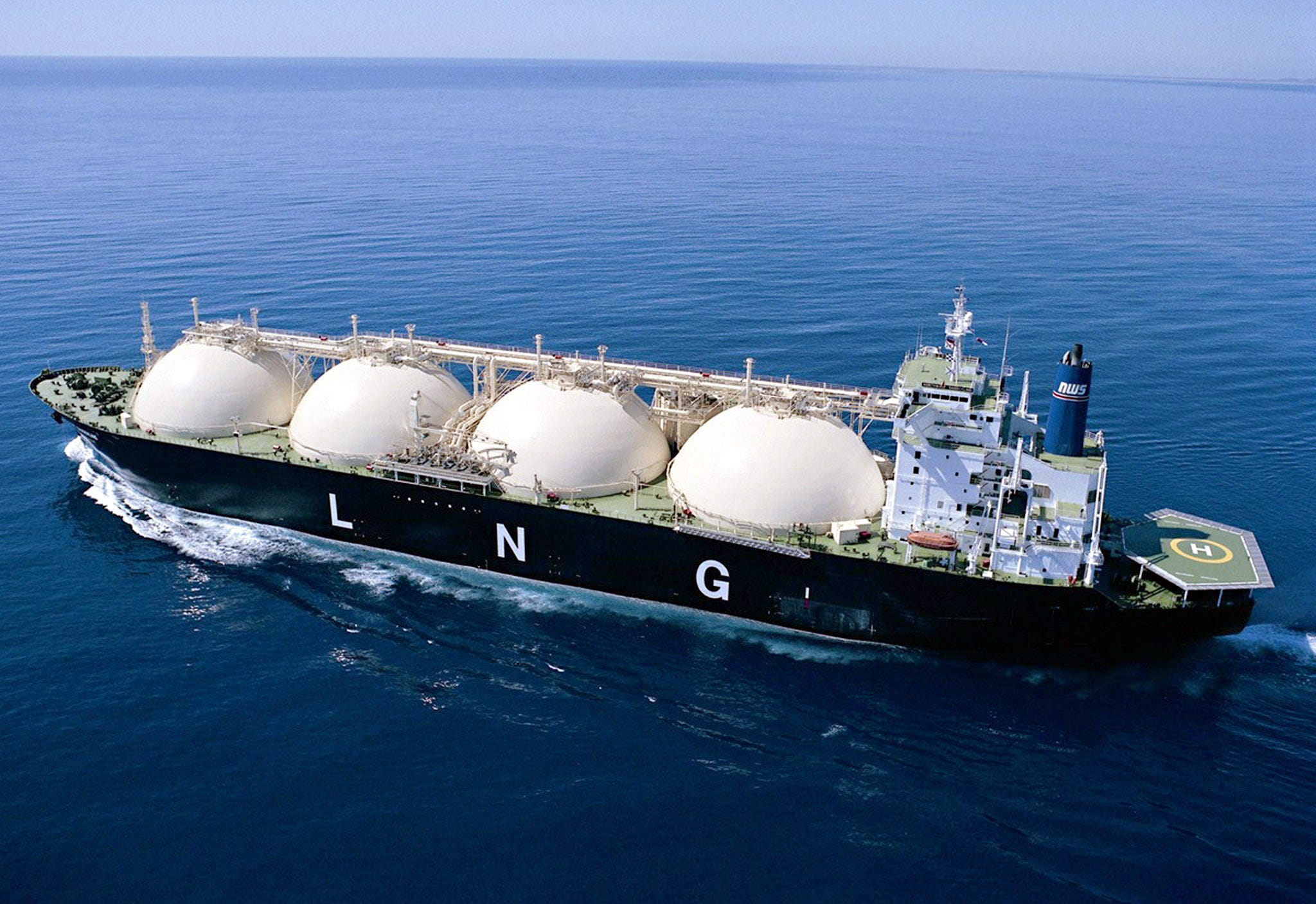
At the same time, Egypt is increasing its reliance on LNG imports to meet rising domestic demand and offset declining production from mature gas fields.
The country is also strengthening regional energy partnerships with Cyprus and Israel to secure additional gas supplies through Eastern Mediterranean cooperation agreements.
Despite reports that BP is considering the sale of some Egyptian gas assets, the company has continued expanding exploration activity in the country and recently announced new offshore discoveries and planned investments worth about $1.5 billion for the 2026/27 fiscal year.
Egypt’s broader strategy therefore combines foreign investment, new exploration, regional gas integration, and LNG imports to maintain energy security and stabilize supply.