US quietly rolls back immigration processing freeze, easing pathway for African doctors
Foreign-trained doctors from Africa and other regions are among the key beneficiaries of a quiet policy reversal by the United States, as the Trump administration moves to exempt physicians from a broader immigration processing freeze tied to its expanded travel restrictions.
 Black News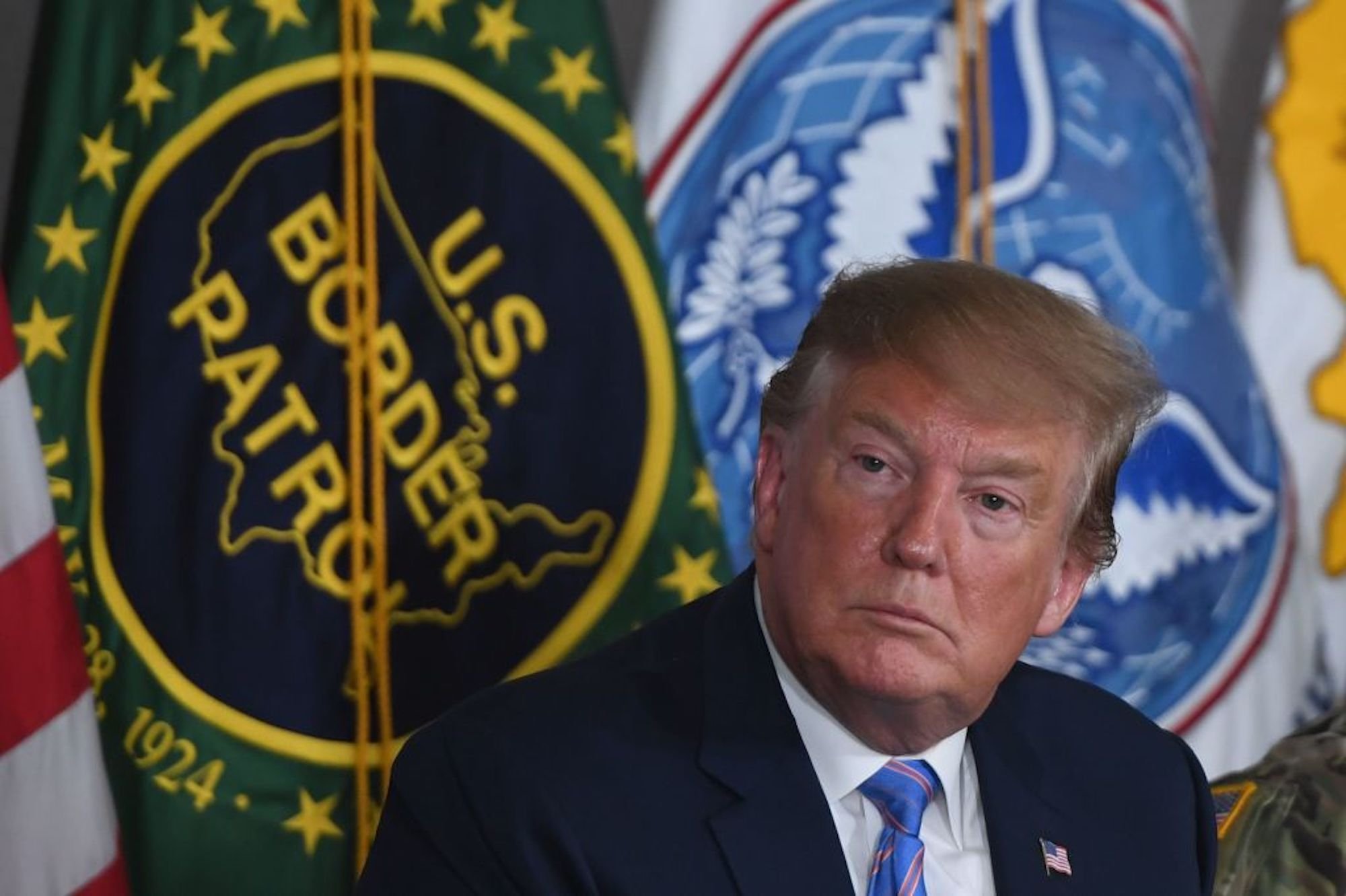
Foreign-trained doctors from Africa and other regions are among the key beneficiaries of a quiet policy reversal by the United States, as the Trump administration moves to exempt physicians from a broader immigration processing freeze tied to its expanded travel restrictions.
- The U.S. quietly reversed a policy to exempt foreign-trained doctors from a broad immigration freeze linked to expanded travel restrictions.
- This change restores visa, work permit, and green card processing for medical doctors from 39 affected countries, including 20 in Africa.
- Foreign-trained physicians had faced months of uncertainty, with many unable to work or renew visas despite their roles in U.S. hospitals.
- The policy shift was welcomed by medical associations, highlighting the key role international doctors play in addressing U.S. healthcare staffing shortages.
The change, confirmed by the U.S. Citizenship and Immigration Services (USCIS), restores visa processing, work permits, and green card applications for medical doctors previously affected by restrictions covering citizens from 39 countries, including 20 African nations.
The update follows months of disruption that had left many foreign physicians in limbo or unable to continue working in U.S. hospitals.
According to reports from The New York Times, the policy shift means physicians are no longer subject to the processing hold introduced under a January directive linked to expanded travel bans.
In response to inquiries, the Department of Homeland Security confirmed that “applications associated with medical physicians will continue processing,” effectively reopening immigration pathways for the group.
Foreign doctors among those affected by travel restrictions

The earlier policy had stalled immigration decisions for thousands of applicants from countries affected by the travel restrictions, including several African nations.
Some foreign doctors were placed on administrative leave, while others faced uncertainty over visa renewals and employment status despite already working within the U.S. healthcare system.
Medical professionals from Africa, the Middle East, and Latin America were among those most affected.
According to the American Immigration Council, foreign-trained physicians make up about 25% of all doctors in the United States, playing a particularly critical role in primary care services such as internal medicine, family medicine, and paediatrics.
Healthcare institutions and professional bodies had warned that the restrictions risked worsening an already severe staffing shortage.
The United States is currently short of an estimated 65,000 physicians, with demand expected to rise as the population ages.
“I am glad that the administration took measures to ensure that we can keep our dedicated international physicians,” said Dr. Rebecca Andrews, chair of the Board of Regents for the American College of Physicians told the NYT. “We need to recruit the most skilled doctors no matter where they are from.”
The policy reversal has been welcomed by medical associations, which argue that international doctors are essential to sustaining healthcare delivery, particularly in underserved and rural areas where staffing gaps are most acute.
While the broader travel restrictions affecting 39 countries remain in place, the carve-out for physicians marks a significant shift, offering relief to African medical professionals who form part of the global pipeline sustaining the U.S. healthcare system.