We must protect and celebrate Black women and celebrate Black women
Black women are the backbone of our communities—architects of culture, vessels of wisdom, and symbols of resilience. Yet, from the moment Black women arrived on the shores of America, having been kidnapped from Africa and enslaved, they have endured relentless trauma. Today, that trauma persists in devastating ways. The Most Honorable Elijah Muhammad, Eternal Leader […] The post We must protect and celebrate Black women and celebrate Black women appeared first on Final Call News.
 Black News
Black women are the backbone of our communities—architects of culture, vessels of wisdom, and symbols of resilience. Yet, from the moment Black women arrived on the shores of America, having been kidnapped from Africa and enslaved, they have endured relentless trauma. Today, that trauma persists in devastating ways.
The Most Honorable Elijah Muhammad, Eternal Leader of the Nation of Islam, taught on the protection and elevation of the Black woman. The Honorable Minister Louis Farrakhan, His National Representative teaches the same including that the woman is the Second-Self of Allah (God).
“… God says from that single being He created its mate of the same essence. So, the woman is created from the same essence that man was created from; and the essence that man was created from is God, so the essence that the woman was created from is God too,”
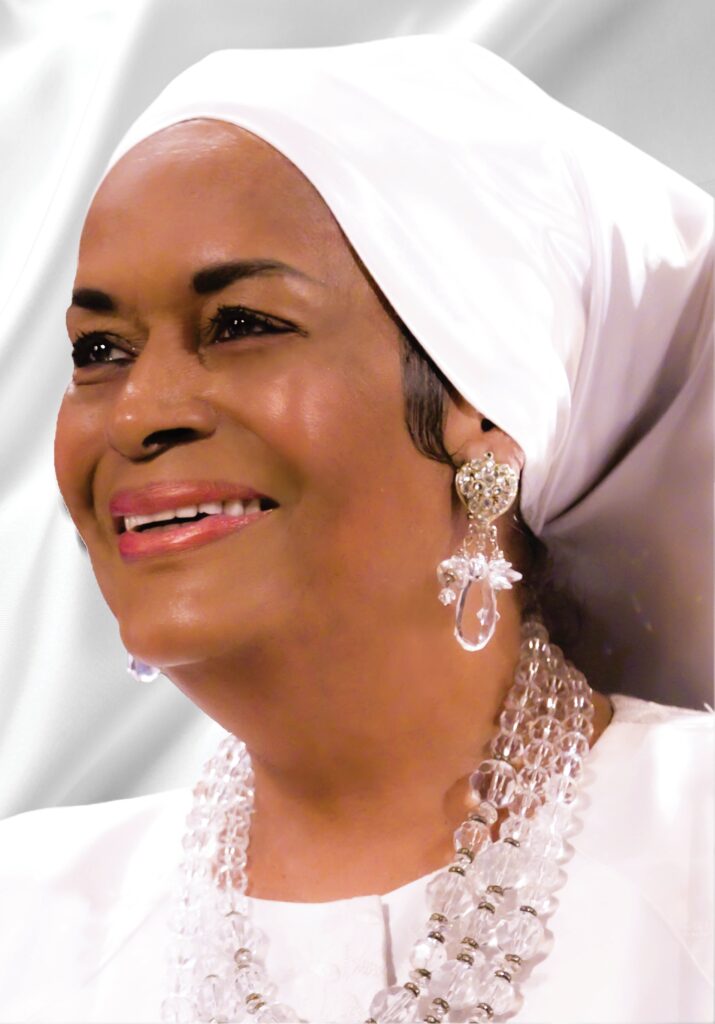
Minister Farrakhan stated in a message he delivered during a nationwide women-only meeting broadcast live from Mosque Maryam in Chicago, Illinois, on April 18, 2015, titled, “Save Our Girls: A Nation Can Rise No Higher Than Its Woman.”
Minister Farrakhan continued, stating, “The Honorable Elijah Muhammad taught us that God is ‘Self-Created.’ He doesn’t have a ‘mommy’ or ‘daddy.’ He created Himself. Wow! So, if He is ‘Self- Created’: He looked within Himself and found you, and out of Himself He created wo(mb)-man. How great are you to be The Second Self of God?”
The value of women and how they are portrayed, viewed, and treated, particularly Black women, has eroded over the years in the United States.
However, despite the profound challenges facing Black women, their resilience emerges—undiminished and inspiring.
The Final Call interviewed Black men from various backgrounds, who shared their admiration and love for Black women.
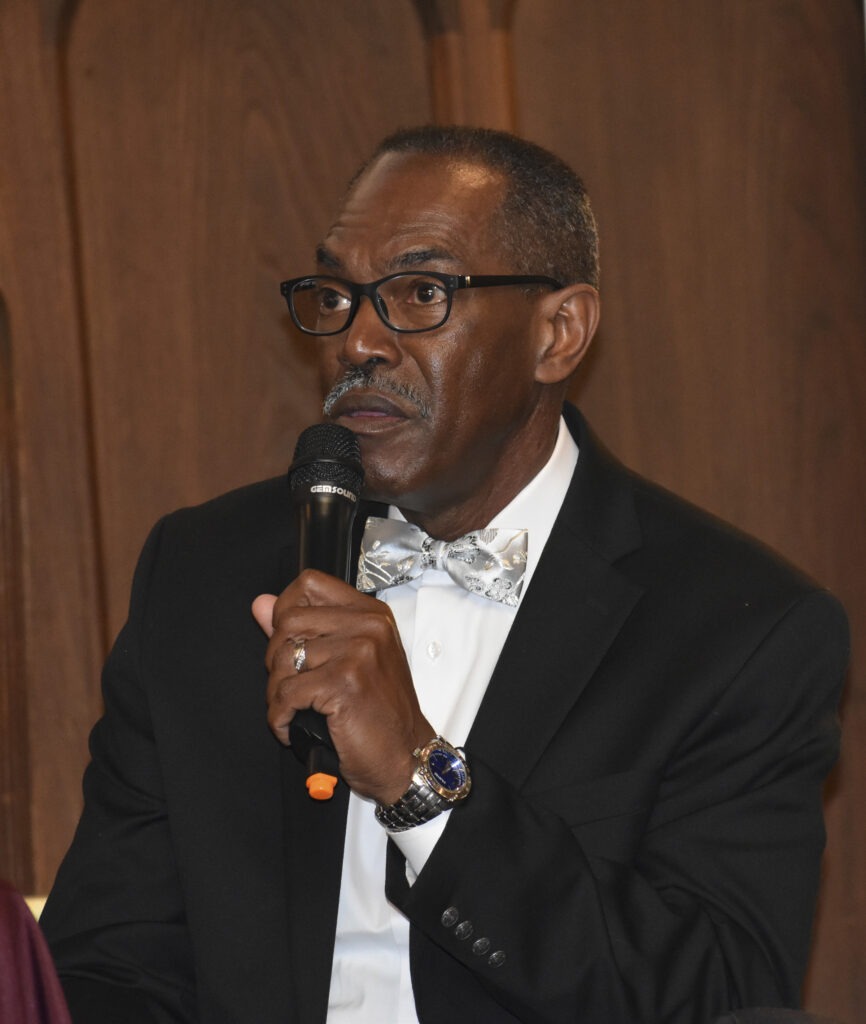
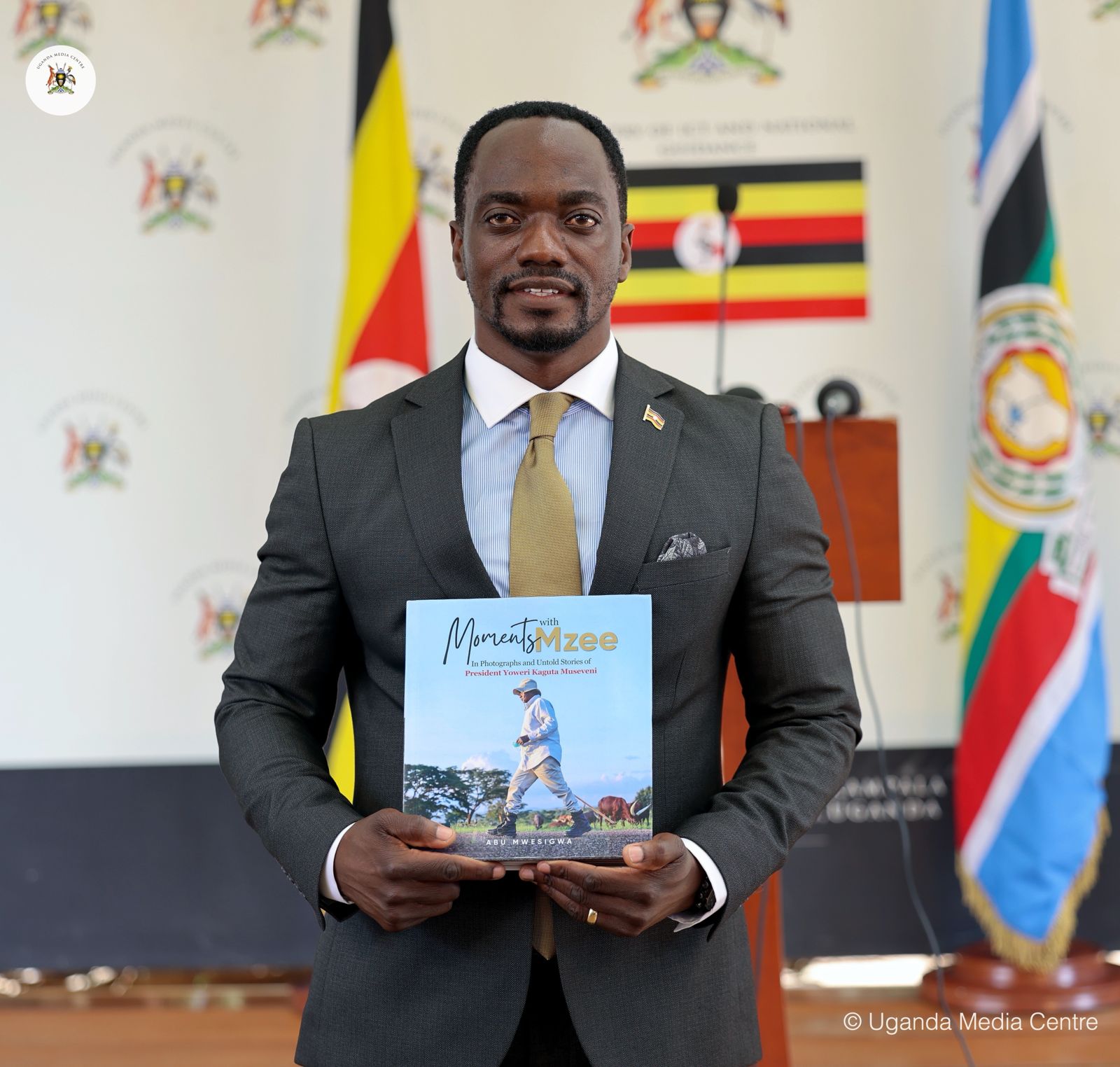
Photo courtesy of Rodney Muhammad
Dr. Anthony Monterio, a scholar and Philadelphia community leader, speaks with reverence: “When I look back, the women who had the greatest influence on me, outside of my mother and family, were figures in the Civil Rights Movement.
The one who impacted me the most when I was barely out of my teens was Civil Rights pioneer Diane Nash. Her strength and fearlessness were incredible.”
Dr. Monterio goes further, challenging the world’s limited perception regarding the value of sisters. “The women I admire crystallized within themselves a revolutionary consciousness.”
This “fearlessness”—described time and again—is not only an individual attribute, but a communal inheritance. As Dr. Monterio reflects on what Black women taught him, he centers on the lesson of self-belief: “My mother taught me confidence.
She instilled in me that no matter what the world may think of you or say about you, you must believe in yourself. She believed in me, and that helped me believe in myself.
For a Black man navigating a White male supremacist society, that confidence is so important. If that mother connection is right, you can walk through the worst storm and still hold your head up high.”
To celebrate Black women is to recognize their place at the forefront of justice and liberation. “I don’t just think about Black women; I think about Black women in the struggle,” Dr. Monterio told The Final Call, “What moves me is their fearlessness—the fact that when they enter the struggle, they’re prepared to give up their lives.
Resilience and power
The wellspring of Black women’s strength runs deep, touching the spiritual and the divine. NemRa Neteru, a young artist whose work hangs in the legendary October Gallery Museum, another voice in the Philadelphia community, beautifully describes this source of strength in Black women.
“I think the reason why they continue so strong is something divine. They have sisterhood, for one, but they’re also connected to divine sources. You can feel it. You’ve seen it throughout history.”
For NemRa, the lesson from Black women is not merely survival, but a way of being. This resilience is a throughline that passes from one generation to the next, evolving as it is expressed through daily acts of brilliance and compassion, he explained.
NemRa admires “their tenacity to continue to excel no matter what the world gives them. They transmit it into something beautiful, something powerful.” Their impact is not limited to individual transformation — Black women shape everyone around them. “I think they shape all our growth. They help us continually evolve.
There’s always a next level—that’s what their energy represents. There’s always something more. Our job is to match that, to continue to evolve, and not get complacent. That’s what I love about our sisters.”
Yet, what Black women need is not another command to be strong, but a promise of real support. NemRa puts it plainly: “Security. Protection. Assurance that we’ll stand by them throughout everything that happens. And I would say love, to be honest. They aren’t loved properly as they should be,” he told The Final Call.
Across the decades, Black women have quietly and powerfully shaped families, institutions, and cultural movements.
Reverend Colonius Avent, the progressive Pastor of Rising Star Baptist Church located in Emporia, Virginia, sees this every day in both his home and his ministry. “Black women have come a long way. They have a great influence, especially in the community. They assist and help so many people.
In my church, the support from Black women is overwhelming. They are truly the backbone.” He credits his wife, not just as his partner in ministry, but as his teacher in humanity: “Helping people. I didn’t do a lot of that before, but because of her influence, I do now. She’s taught me the importance of reaching out and making a difference.”
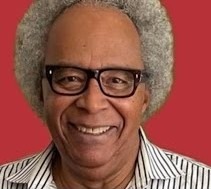
Photo courtesy of Anthony Monterio
Pastor Avent stressed that the world undervalues just how transformative Black women are. “Their impact, Black women do so much and have a great influence. They are sympathetic and assist people in ways I’ve learned from.
Their contributions are often overlooked, but they are vital.” This sentiment is echoed in his message to Black women: “Keep on doing what you’re doing. You are appreciated for how well you do and how you influence Black men to bring out the best in them.”
Nation of Islam Student Delaware Valley Regional Minister Rodney Muhammad of Mosque No. 12 in Philadelphia carries the legacy of driven, brilliant Black women within him. “My mother … was the first Black woman in the 1950s to model for Ford Motor Company.
Later, she worked hard as a secretary, but she went back to school to get her bachelor’s degree because she had me early on. Then she went on to get her master’s and doctorate. She moved herself up. … That drive and resilience shaped me,” he said.
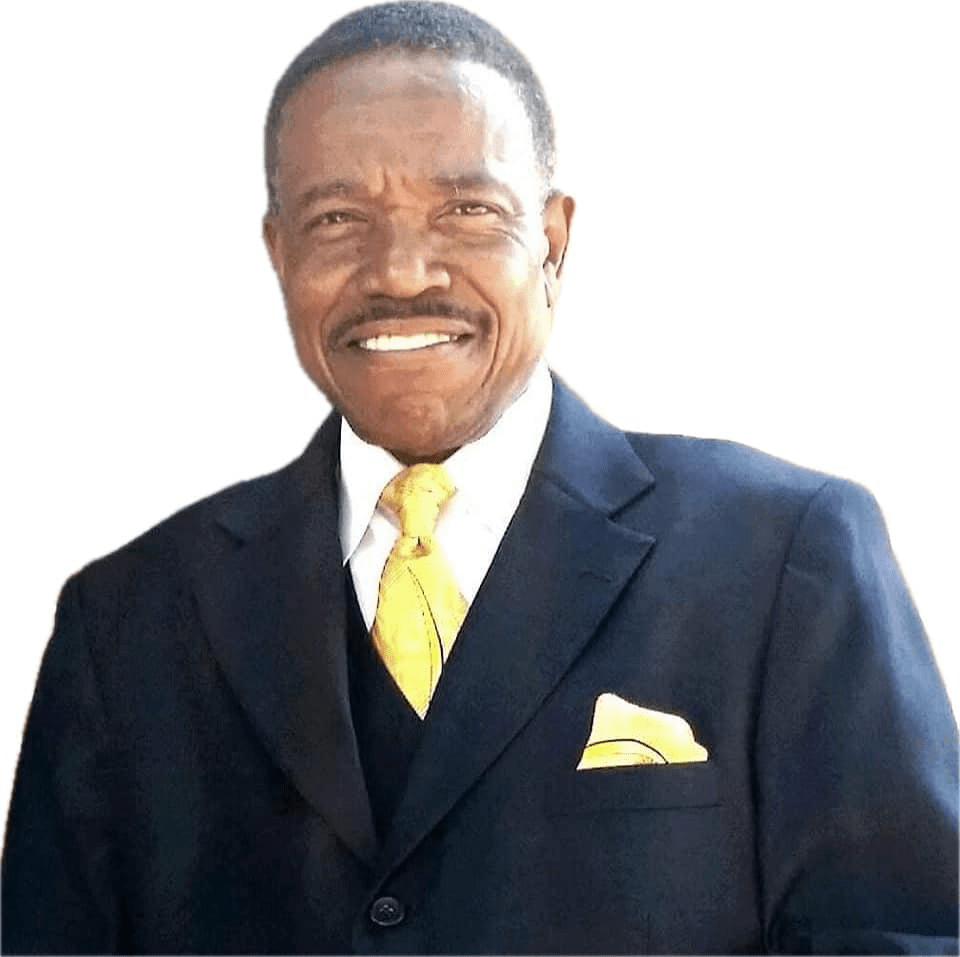
For Student Min. Rodney Muhammad, the full strength of Black women lies in their indomitable spirit in the face of cruelty. “You have to look at the resilience of Black women. During slavery, the Black man was the target, but the Black woman endured unimaginable cruelty.
Despite that, she held families together and ensured survival.” This spiritual and intellectual resourcefulness has been underestimated and underappreciated for far too long. “Black women have an uncanny ability to take even the smallest idea from a Black man and help it grow into something greater.”
His message is clear: “Black women have always been the backbone of our communities, but they deserve men who are driven and determined to build something greater. Together, we can achieve self-determination and create a future where we rely on ourselves, not others, for our success.”
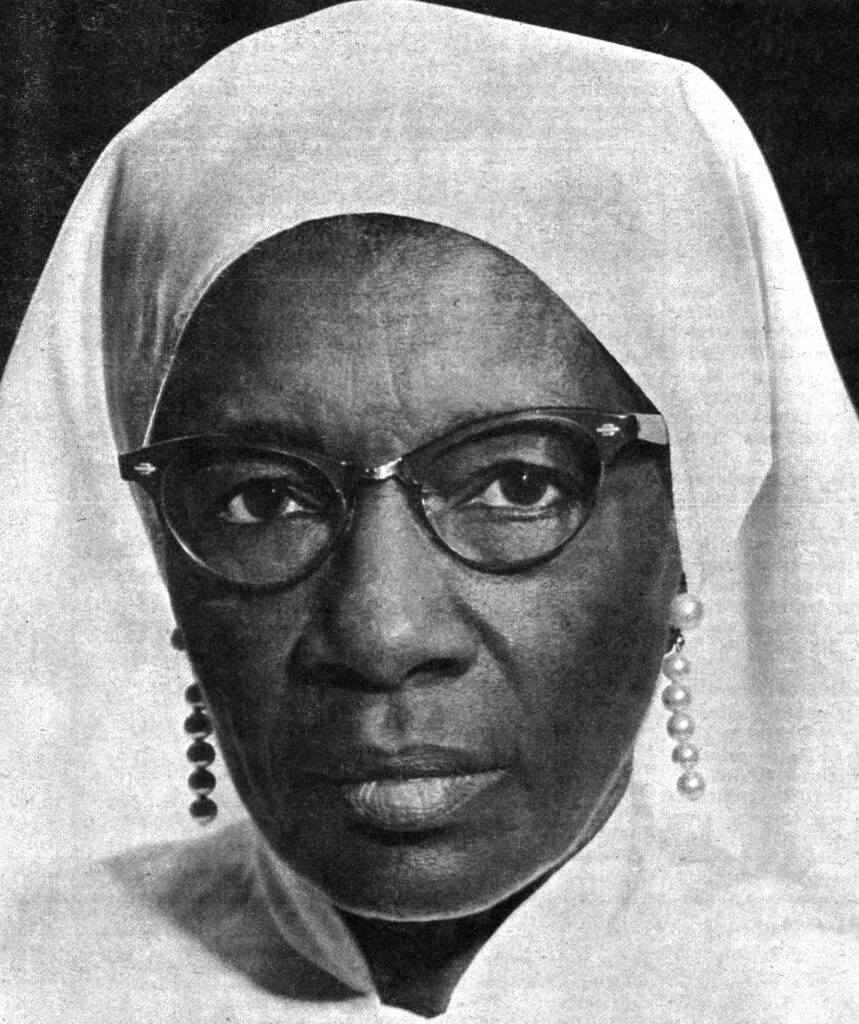
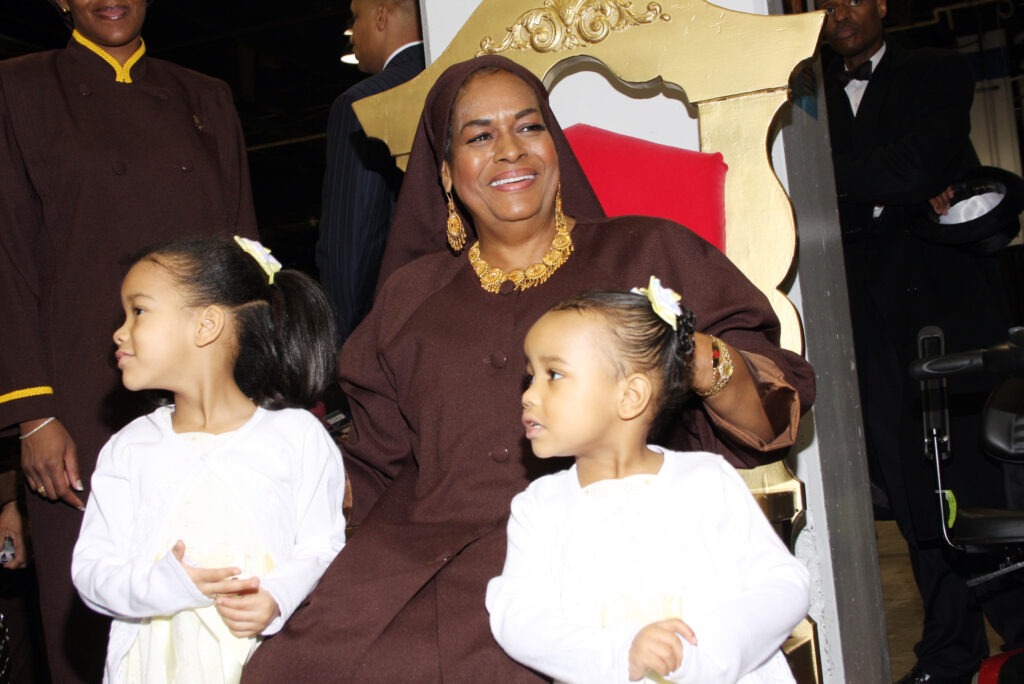
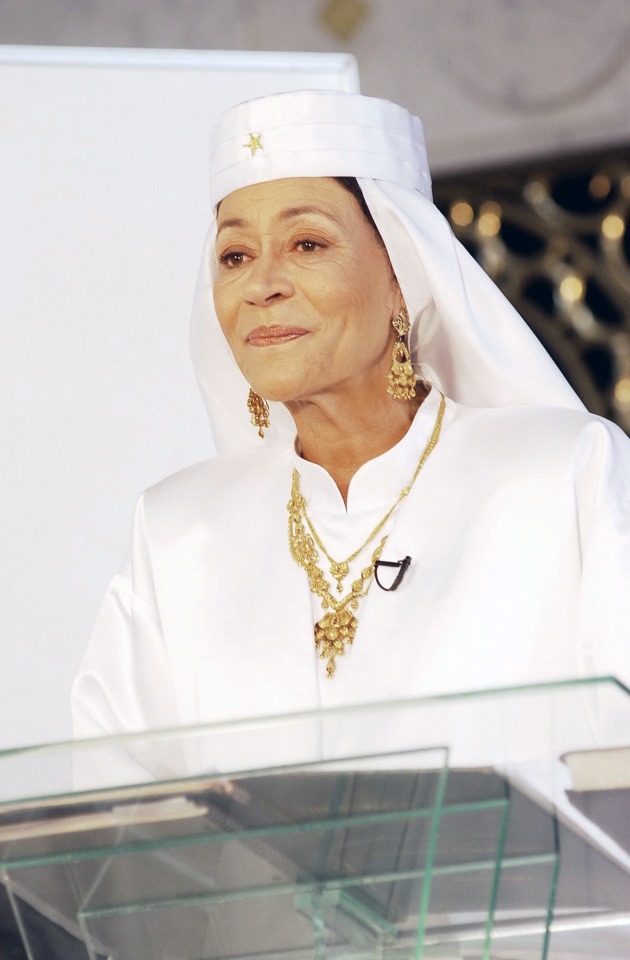
Throughout its over 90-year history in America, women in the Nation of Islam have been critical in its establishment and growth. Mother Clara Muhammad, wife of the Most Honorable Elijah Muhammad, Mother Khadijah Farrakhan, wife of the Honorable Minister Louis Farrakhan, and countless others, have demonstrated and displayed intelligence, leadership and gifts to the Nation of Islam and the world.
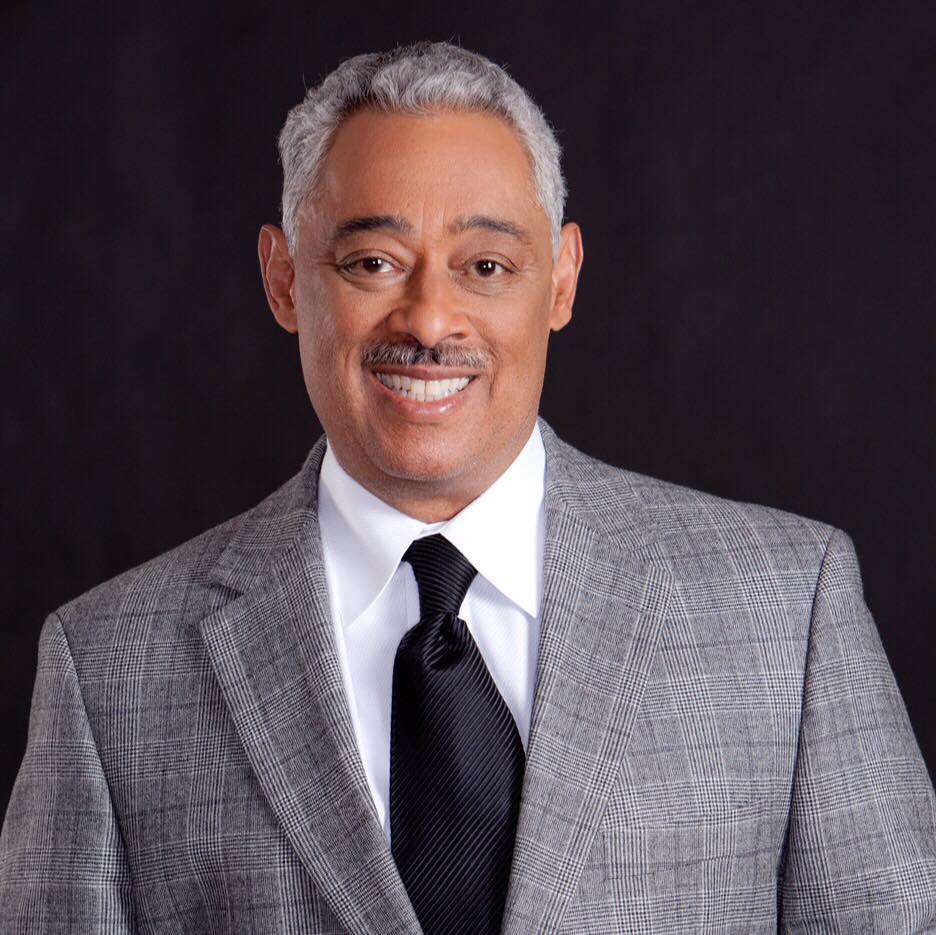
Photo courtesy of Frank Reid
Bishop Frank M. Reid III a longtime AME pastor from Baltimore, Maryland, puts it plainly and powerfully: “The Black woman is the original woman,” he said, explaining that all other races and ethnic groups come from her.
For Bishop Reid, there is an obvious line from the divine to the familial. “Every Black woman is a queen, but she’s been miseducated. … But the real power comes from God who made the woman, because as the woman goes, so goes the nation. So goes the family, so goes our people.”
He also said that this power is not simply theoretical, but part of everyday reality. “My mother taught me that readers are leaders. My mother taught me the importance of education. She wasn’t working when my mother and father separated, but she got a job and raised four children.
She didn’t graduate from high school, but all four of her children graduated from college and have professional degrees.” The lessons that Black women pass down—education, resilience, faith, and leadership—shape entire communities for generations, he explained.
Respect and protect
As Dr. Monterio eloquently puts it: “The greatest love of all is the love for your people and the love for the freedom of your people. If you love your people and you love freedom, other things more easily fall into place.”
Sisters need security, protection, appreciation, and love. They need recognition of their intellectual, spiritual, and emotional gifts. They need to be supported, defended, and uplifted—not just in words, but in action.
As NemRa reminds us: “That I love them and I care for them. And that I’ll continue to grow to be the best man and brother I can be for them and our community.”
The Divine Guidance and Teaching of the Most Honorable Elijah Muhammad, as taught by the Honorable Minister Louis Farrakhan, is clear.
The Most Honorable Elijah Muhammad taught that the Black woman must be respected and protected and that “a nation can rise no higher than its woman.”
Final Call staff contributed to this report.
The post We must protect and celebrate Black women and celebrate Black women appeared first on Final Call News.