
Why Noise is the Biggest Productivity Killer in Open Offices
NNPA NEWSWIRE — From impairing workers' concentration to making stress levels soar, these are key reasons noise is a primary culprit behind low workplace productivity in offices with an open layout. Studies have also found that it can impact cognitive performance. The post Why Noise is the Biggest Productivity Killer in Open Offices appeared first on BlackPressUSA.
 Black News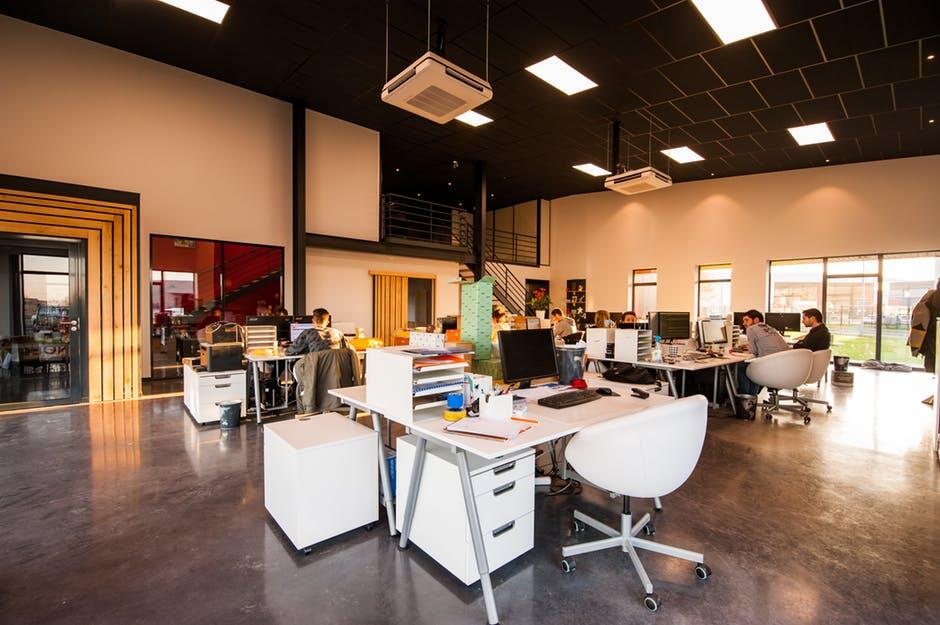
By Dax Janel Valencia
Noise is one of, if not the biggest, workplace productivity killers in open office design, as the constant, uncontrollable disruptions it causes can impair workers’ concentration and increase stress levels. Whether it’s loud or subtle, it can also derail cognitive performance, further reducing productivity.
Science backs those claims up. As pointed out by the Insulation Institute, researchers found that when exposed to the “noise” of even just a single conversation nearby, workers in open-plan offices become up to 66% less productive.
Taking the time to understand the massive noise impact on work can help you (as an employer or employee) make more informed decisions regarding quiet workplace solutions.
Why Does Workplace Productivity Matter?
Workplace productivity is a crucial metric that indicates business success. If you’re an employer, you want your people to be productive, as it empowers them to “produce” more with fewer resources, leading to:
- Higher revenues
- Improved customer satisfaction
- Better customer and talent acquisition and retention
Helping your employees become more productive can also help promote engagement. Employee engagement is vital to workplace productivity, whereas disengaged workers lead to lower profitability.
Unfortunately, more employees feel disengaged. The latest State of the Global Workplace report from Gallup (2026) found that only 20% of global employees feel engaged.
If you’re an employee, you want to be productive since it’s a key driver of your personal career growth. When you’re productive, you’ll likely be able to maintain a better work-life balance. High productivity levels can make you feel more satisfied with your job and employer.
Why Is Noise the Biggest Productivity Killer in Open Offices?
From impairing workers’ concentration to making stress levels soar, these are key reasons noise is a primary culprit behind low workplace productivity in offices with an open layout. Studies have also found that it can impact cognitive performance.
Reducing Concentration Levels
Noise can be a distractor; it can interfere with one’s concentration by:
- Using part of the brain’s cognitive resources
- Overloading the brain (e.g., if there’s too much noise, it’s too loud, or it’s subtle yet nagging and annoying)
- Impeding information processing
- Activating stress responses
An article published on MDPI.com also cited the findings of previous studies, one of which suggested that noise slows the response time for information processing. It also noted another study that found exposure to loud noises led to a significant reduction in working memory and attention spans.
Increasing Stress Levels
You’d want to address and reduce office noise, whether as an employer or employee, because the longer the problem goes on, the more likely that people in the office will experience elevated stress levels. Always remember that noise, as a distractor, can also be a stressor.
Indeed, one study published in Oxford Academic found that exposure to high-intensity noise activates the sympathetic nervous system (SNS). It further notes that these sounds (often unwanted, unpleasant, and disruptive) reduce processing speed and impair work performance.
The SNS is part of your autonomic nervous system (ANS). One of its chief responsibilities is to regulate and manage your body’s fight or flight stress response. If a noisy environment keeps this response “engaged,” you may experience chronic stress.
Derailing Cognitive Performance
As mentioned above, noise consumes cognitive resources. The longer this goes on, the more “brain” resources noise uses until it reaches the point that you may no longer have any left for actual work. You may feel mentally tired, unable to complete tasks requiring cognitive abilities.
How Can Employers Address Noise and Increase Productivity in the Workplace?
As an employer who wants to improve office productivity and support your employees’ well-being and career growth, consider investing in soundproofing (physical acoustic treatments). Creating quiet zones and barriers can also help.
Physical Acoustic Treatments
Experienced, licensed contractors can help you design noise-resistant workspaces with acoustic panels. They’re sound-absorbing materials installed on walls and ceilings, aimed at reducing echoes and reverberations.
You can also get and install a soundproof office pod for private workspace areas.
Adding Sound-Dampening Soft Materials
Soft materials, such as acoustic flooring, carpets, and rugs, can be good additions to quiet areas for workplace productivity. With these as a replacement for hard surfaces, they can dampen and soften sounds made by movement and footsteps.
Creating Quiet Zones
Delegating “quiet zones” in areas featuring an open office design is another productivity-boosting strategy. They’re areas separated from collaborative or higher-traffic sections.
You can make quiet zones even more effective (and protected against noise) with strategic furniture placement. You can, for instance, use high-backed furniture, bookshelves, and even plants to create natural partitions that also serve as sound barriers.
Frequently Asked Questions
What Other Environmental Factors Affect Workplace Productivity?
Noise aside, the temperature in the office can make or break workplace productivity. Whether it’s too warm or too cold, employees working in such environments may feel sluggish, unable to focus, and may become more prone to making mistakes.
Lighting is another factor. Proper, adequate lighting can enhance focus, reduce eye strain, and boost moods. Conversely, poor lighting (e.g., lights that flicker or are too dim) can lead to headaches, fatigue, increased error rates, and lower motivation.
Indoor air quality can also affect productivity. It can either make you and your employees productive or sick.
What Tactics Can Employees Use to Boost Their Productivity?
If you’re an employee and your workplace is too noisy, one of the first things you should do is speak with your manager about sound ergonomics. It would also help to ask your co-workers if they find the work environment distracting due to all the constant, uncontrolled sounds.
In the meantime (as your employers work on making things less noisy), focus on one task at a time to boost concentration and productivity. Take mini breaks, too (e.g., 5-minute breaks to just stretch or walk around for every 25 minutes of work). You can also try noise-canceling headphones.
Keep the Noise in Workplaces Down
Given that it can impair concentration, increase stress levels, and impede cognitive performance, it’s no wonder noise is one of, if not the leading, killers of workplace productivity.
Don’t let it affect yours any further. Instead, invest in acoustic treatments and quiet zones to put a stop to noisy, distracting work environments.
Find other related reads, informative guides, and the latest news coverage curated for the Black community by browsing the rest of our website.
The post Why Noise is the Biggest Productivity Killer in Open Offices appeared first on BlackPressUSA.













![‘Authenticity Is The New Flex’ — Meet CEO Michele Y. Smith, The Black Woman Bringing Real Culture To MoPOP [Exclusive]](https://madamenoire.com/wp-content/uploads/sites/9/2026/04/17770457888798.jpg?quality=80&strip=all&w=1024&crop=0,0,100,683px#)

