Zambia secures $1.5bn China-backed energy deal to add 900MW and boost power stability amid climate pressure
Zambia has secured a $1.5 billion investment from China Machinery Engineering Corporation (CMEC) to expand national electricity generation capacity by 900 megawatts (MW), in a development expected to advance the country’s long-term energy security and infrastructure growth agenda.
 Black News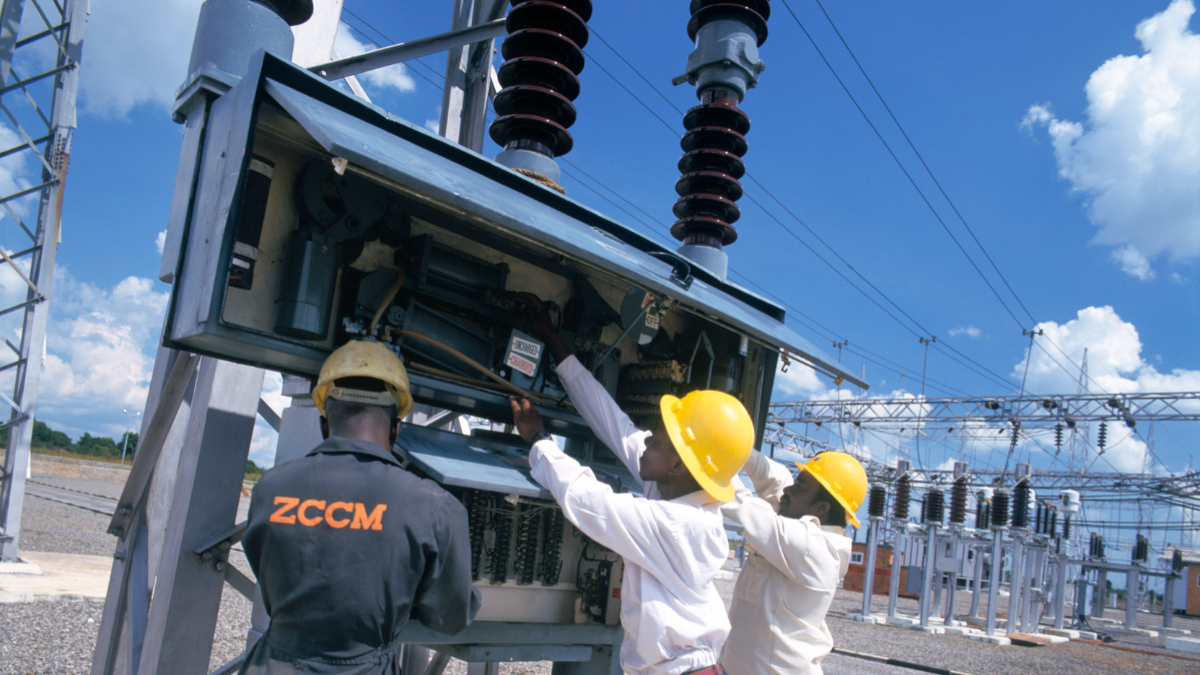


![Electricity sub-station, Zambia. [Photo by Damian Gillie/Construction Photography/Avalon/Getty Images]](https://ocdn.eu/pulscms/MDA_/597ba30ee7638468a54a0894a5159b67.jpg)
Zambia has secured a $1.5 billion investment from China Machinery Engineering Corporation (CMEC) to expand national electricity generation capacity by 900 megawatts (MW), in a development expected to advance the country’s long-term energy security and infrastructure growth agenda.
- Zambia has secured a $1.5bn investment from China Machinery Engineering Corporation to boost electricity generation by 900MW.
- The project supports the country’s goal of reaching 10,000MW of installed capacity by 2031 amid hydropower challenges stemming from drought.
- The expansion will combine solar, wind, and coal-powered plants to diversify energy sources and improve supply stability.
- Authorities expect the investment to strengthen industrial growth and position Zambia as a potential regional electricity exporter.
The agreement, signed with the Zambia Development Agency, forms part of Zambia’s broader ambition to increase installed power capacity to 10,000 MW by 2031. The plan comes as the country continues to experience electricity shortages linked to prolonged drought conditions, which have disrupted hydropower output and triggered periodic load-shedding across key economic sectors.
Zambia currently depends heavily on hydropower, which accounts for the bulk of its electricity generation. However, changing climate patterns and recurring dry spells have reduced water levels in major reservoirs, exposing the economy to supply instability and prompting authorities to prioritise diversification of energy sources.
Under the new framework, the additional 900 MW will be delivered through three separate 300 MW projects spanning solar, wind, and coal-fired thermal power. Officials say the hybrid structure is intended to combine renewable energy expansion with firm baseload generation, improving resilience and ensuring a consistent supply regardless of weather conditions.
CMEC plans to implement the projects simultaneously rather than in phases, a strategy expected to shorten overall delivery timelines and accelerate grid integration. Technical teams from the company are scheduled to arrive in Zambia by June 2026 to begin feasibility studies, environmental assessments, and site identification work ahead of construction and eventual commissioning.
Energy sector observers say improved electricity reliability could strengthen Zambia’s industrial competitiveness, particularly in mining, manufacturing, and agro-processing, which have been affected by power rationing in recent years. A more stable grid is also expected to reduce operational costs and improve productivity for local businesses.
The government also views the expansion as a pathway to positioning Zambia as a regional power exporter within the Southern African Power Pool. Increased generation capacity could enable cross-border electricity sales to neighbouring countries facing similar supply deficits, creating potential new revenue streams.
Officials have described the agreement as reflecting continued investor confidence in Zambia’s reform agenda and infrastructure push. It also underscores deepening economic cooperation between Zambia and China, particularly in strategic sectors such as energy development and industrial capacity building.