Absa faces major investor backlash after awarding new CEO a $9 million pay package to leave rival Standard Bank
Absa is facing one of the most significant shareholder rebellions seen in South Africa’s banking industry in recent years after investors pushed back against a remuneration package worth about $9 million (R148 million) awarded to chief executive Kenny Fihla.
 Black News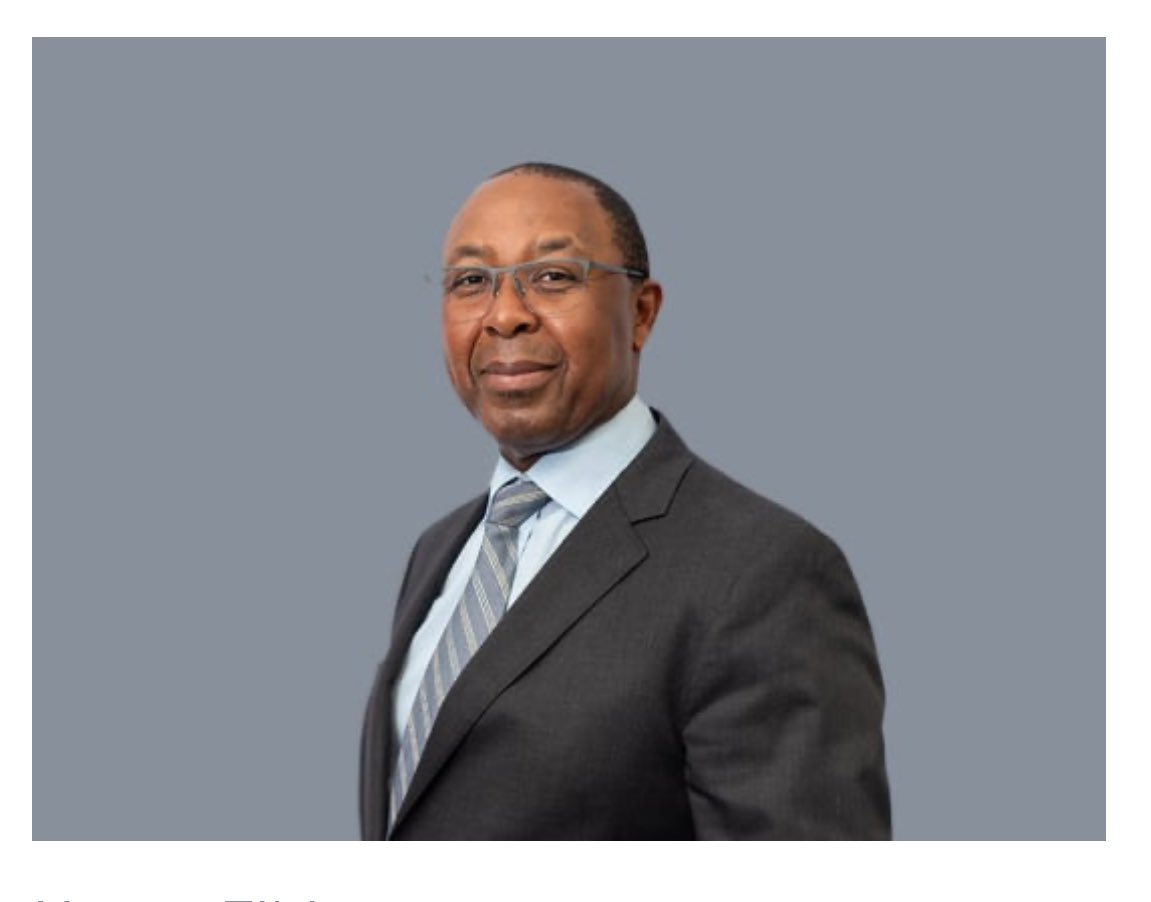

Absa is facing one of the most significant shareholder rebellions seen in South Africa’s banking industry in recent years after investors pushed back against a remuneration package worth about $9 million (R148 million) awarded to chief executive Kenny Fihla.
- Absa is facing one of the biggest shareholder revolts seen in South African banking in recent years.
- More than 43% of shareholders voted against the implementation of the bank’s remuneration report.
- The backlash centres on a remuneration package worth about $9 million (R148 million) awarded to CEO Kenny Fihla after his move from Standard Bank.
- The dispute has turned into a broader debate over executive pay, talent wars and corporate governance in Africa’s banking sector.
The backlash erupted at the bank’s annual general meeting, where 43.37% of shareholders voted against the implementation report detailing how Absa applied its remuneration policy during the financial year.
Under South African governance rules, a vote of 25% or more against a remuneration resolution obliges the company to engage with dissenting shareholders and address their concerns.
The revolt has thrust Fihla’s remuneration into the spotlight just months after he was recruited from rival Standard Bank, where he had built a reputation as one of the continent’s most influential banking executives.
The package behind the backlash
At first glance, the remuneration figure appears extraordinary. According to Absa’s remuneration disclosures, Fihla received total remuneration of roughly $9 million (R148 million) in 2025.
However, the vast majority was not salary.
The package included a once-off compensation award of approximately $5.9 million (R98.5 million) designed to replace long-term incentives and deferred awards he forfeited when leaving Standard Bank to join Absa.
His fixed remuneration amounted to roughly $380,000 (R6.3 million), with the remainder comprising annual incentives, share-based awards and other executive compensation.
That distinction has become central to the debate.
Absa argues that replacing forfeited incentives is standard practice when recruiting senior executives from competitors and was necessary to attract one of the banking industry’s most sought-after leaders.
Investors, however, appear to be questioning whether the size, timing and structure of the award were appropriate, particularly before shareholders have had an opportunity to assess the long-term impact of Fihla’s leadership.
More than a pay dispute
The shareholder revolt reflects a broader concern than executive compensation alone.
At stake is Absa’s strategy of rebuilding its leadership bench through aggressive recruitment from rivals as it attempts to narrow the performance gap with South Africa’s biggest banking groups.
Fihla’s appointment was one of the most significant executive moves in African banking in recent years.
Before joining Absa, he headed Standard Bank’s corporate and investment banking division, widely regarded as one of the continent’s strongest banking franchises.
His arrival was seen as a statement of intent from Absa, which has spent years trying to accelerate growth, strengthen profitability and improve its competitive position across African markets.
The bank has defended the costs associated with attracting senior talent, arguing that these investments should ultimately generate stronger performance, better productivity and long-term shareholder value.
The vote suggests many investors want clearer evidence that the benefits will justify the expense.
The outcome is significant because large shareholder rebellions remain relatively uncommon among major African financial institutions.
Institutional investors across South Africa have become increasingly vocal on governance issues, particularly executive remuneration, board accountability and capital allocation.
The Absa vote reflects a growing willingness among shareholders to challenge boards when they believe pay outcomes are running ahead of performance or are insufficiently aligned with investor interests.
While the vote does not overturn the remuneration already awarded, it sends a powerful signal to the board that a substantial proportion of investors are dissatisfied with how executive rewards are being structured and communicated.
For Absa, the challenge now is not simply defending the package awarded to its chief executive.
It is convincing investors that its expensive investment in leadership talent will ultimately translate into stronger earnings, improved returns and a more competitive banking franchise across Africa.
The controversy has therefore become about far more than one executive’s pay packet.