African automakers brace for impact as U.S. moves to ban Chinese car imports
A new bipartisan push in the United States to ban Chinese-made vehicles and auto parts could have significant implications for Africa’s growing automotive industry, particularly for countries investing heavily in local vehicle assembly and manufacturing.
 Black News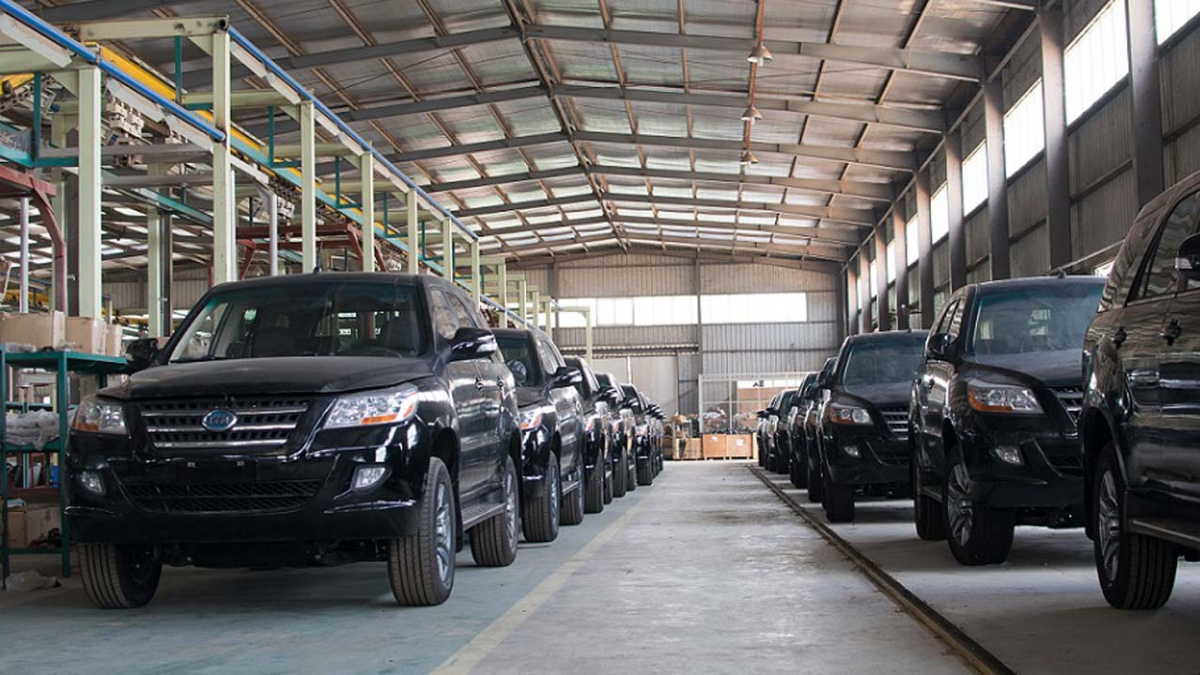

![African automakers brace for impact as U.S. moves to ban Chinese car imports [Guardian Nigeria]](https://ocdn.eu/pulscms/MDA_/94025008595a115f96cdbc74fc16ef9e.jpg)
A new bipartisan push in the United States to ban Chinese-made vehicles and auto parts could have significant implications for Africa’s growing automotive industry, particularly for countries investing heavily in local vehicle assembly and manufacturing.
- A bipartisan U.S. bill aims to ban Chinese-made vehicles and auto parts due to security and economic concerns.
- Stricter U.S. restrictions could push Chinese automakers to expand further into Africa's growing, yet underdeveloped, vehicle market.
- Africa produces less than 2% of the world’s vehicles and imports around 80% of its automobiles, mostly used cars.
- Chinese auto brands like BYD and Chery are increasing their presence in Africa through dealership networks, assembly partnerships, and EV investments.
The proposed legislation, introduced by Republican Congressman John Moolenaar and Democratic Congresswoman Debbie Dingell, seeks to block Chinese vehicles from U.S. roads over national security and economic concerns.
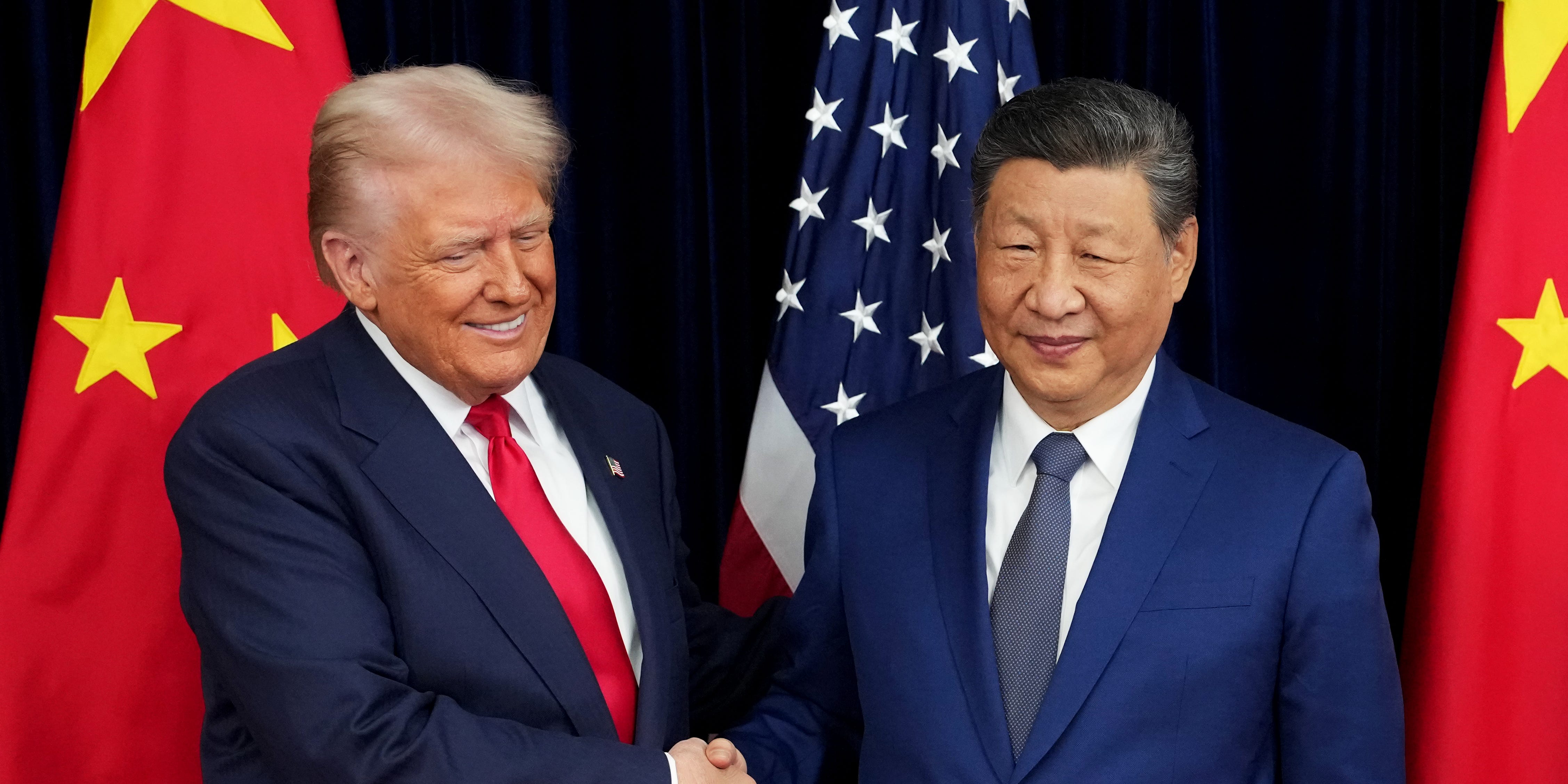
NBC News reports that over 70 House Democrats signed a letter urging Trump to block Chinese automakers from the U.S. market ahead of his meeting with the Chinese leader next month.
Analysts say tighter restrictions in the U.S. could encourage Chinese automakers to accelerate expansion into alternative markets such as Africa, where vehicle demand continues to rise and local industries remain relatively underdeveloped.
Africa currently accounts for less than 2% of global vehicle production despite having a population of more than 1.4 billion people.
According to the African Association of Automotive Manufacturers (AAAM), Africa remains heavily reliant on vehicle imports, with used vehicles accounting for nearly 80% of automotive imports across the continent.
Chinese brands have steadily expanded across African markets in recent years. Companies such as BYD, Chery, Great Wall Motor, and SAIC Motor are increasing dealership networks, assembly partnerships, and electric vehicle investments across the continent.
Local assembly plans may come under pressure
Several African countries have been trying to build domestic automotive ecosystems.
South Africa remains the continent’s largest automotive manufacturing hub, producing more than 600,000 vehicles annually and hosting major global manufacturers including Toyota, Ford Motor Company, BMW, and Mercedes-Benz.
Morocco has also emerged as a major export-focused manufacturing base, producing over 500,000 vehicles annually through plants operated by Renault and Stellantis.
Meanwhile, countries including Nigeria, Ghana, Kenya, Rwanda, and Egypt are pursuing assembly initiatives aimed at creating industrial jobs and reducing import dependence.
However, industry experts warn that an increase in redirected Chinese vehicle exports could place additional pressure on local assemblers already facing high production costs, limited financing, and relatively small domestic markets.
The development may also intensify calls for stronger tariffs, local-content requirements, and industrial protections as African governments seek to balance affordability with long-term manufacturing ambitions.