Central African Republic joins Trump’s African migrant deportation programme
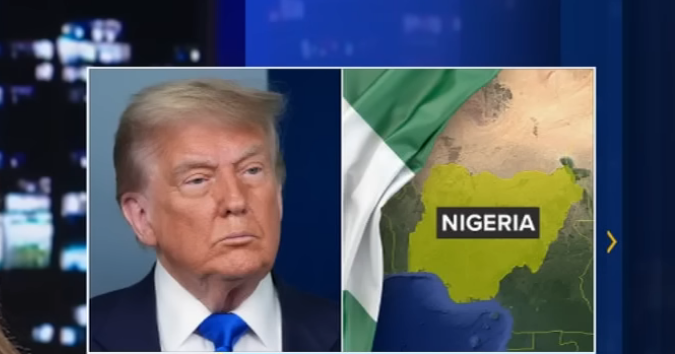
Central African Republic has become the latest African country to agree to receive migrants deported by the United States, showing Africa’s growing role in President Donald Trump’s effort to accelerate removals through agreements with third countries.
 Black News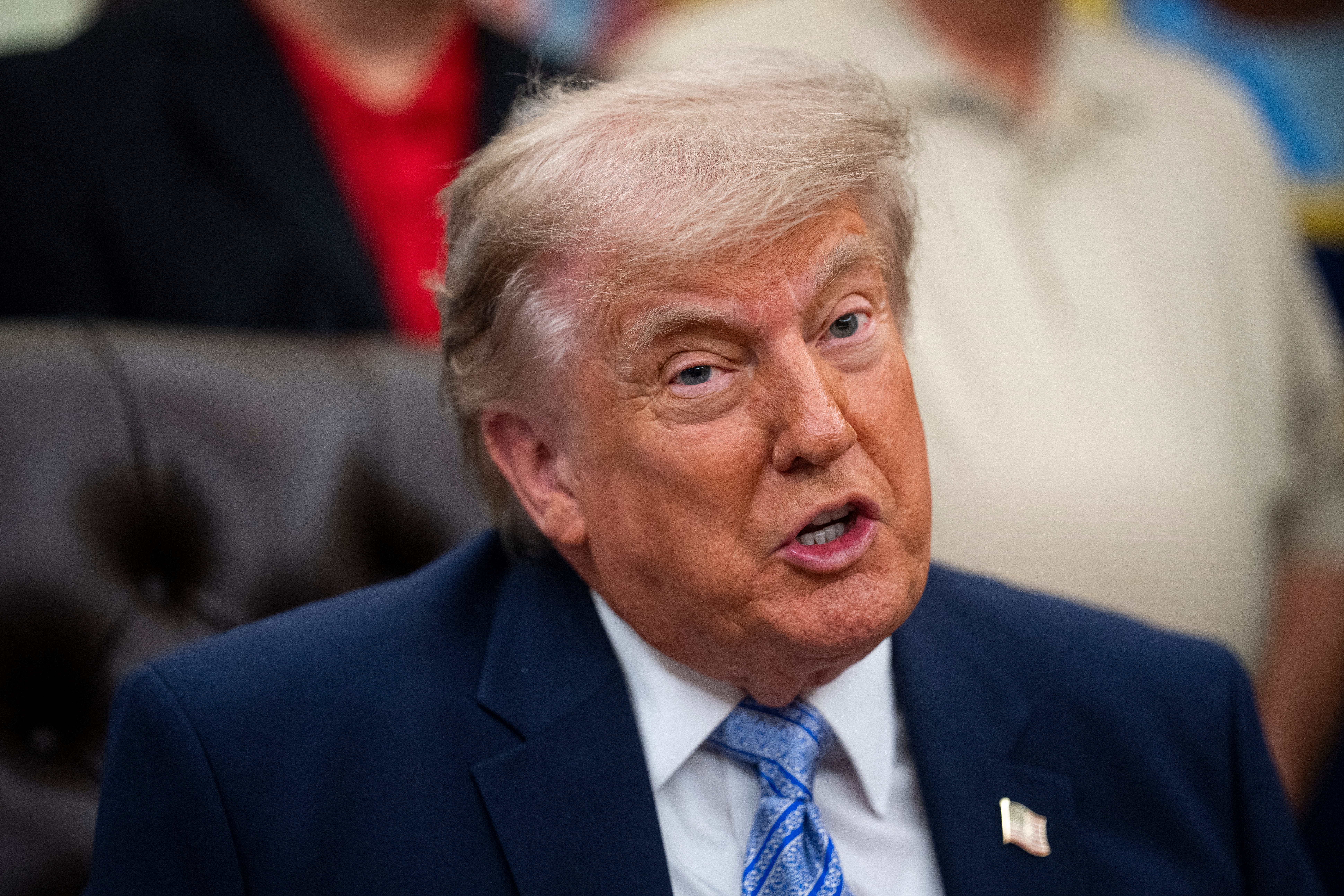

Central African Republic has become the latest African country to agree to receive migrants deported by the United States, showing Africa’s growing role in President Donald Trump’s effort to accelerate removals through agreements with third countries.
- Central African Republic has agreed to receive migrants deported from the US under a third-country arrangement.
- The deal makes it the latest African nation drawn into Trump’s expanding deportation programme.
- Similar agreements have emerged across Congo, Sierra Leone, Uganda and Equatorial Guinea.
- The policy is facing growing scrutiny from rights groups and US lawmakers over cost and legality.
The arrangement places the conflict-hit nation alongside a growing list of African states that have either accepted or discussed receiving deportees who are not their citizens, including the Democratic Republic of Congo, Sierra Leone, Equatorial Guinea, Uganda and Ghana.
The deals have become a defining feature of Trump’s immigration strategy as his administration seeks to increase deportations and reduce legal obstacles to removals.
The latest agreement underscores a broader shift in which migration control is becoming an increasingly important element of Washington’s engagement with African governments.
While the Trump administration argues that the arrangements are lawful and necessary to strengthen immigration enforcement, critics say they risk sending migrants to countries where they have no family ties, legal status or support networks.
Two sources familiar with the matter said Central African Republic had agreed to receive third-country deportees from the United States under a deal discussed during a May 18 meeting in Bangui between Central African officials and a US delegation led by Christian Jové Ehrhardt, deputy assistant secretary in the State Department’s Bureau of Population, Refugees and Migration.
“Central African Republic will indeed take in, within the framework of agreements with the US, immigrants deported by American authorities,” a Central African government official told Reuters. A regional diplomat also confirmed that an agreement had been reached.
Neither source disclosed how many migrants could be sent to the country, their nationalities or when deportation flights might begin.
However, a recent court case suggests preparations were already underway. On May 22, US District Judge Lee Rosenthal temporarily blocked the deportation of a Turkish national after learning that immigration officials planned to remove the individual to Central African Republic on May 26.
DON'T MISS THIS: After three failed negotiations, U.S. finally secures African destination for deported migrant
Africa’s growing role
Central African Republic is the latest stop in an expanding network of deportation agreements stretching across Africa.
In April, Democratic Republic of Congo confirmed it would receive third-country nationals deported from the United States under a new arrangement with Washington.
The agreement followed broader discussions between the two countries as they sought closer cooperation on security and critical minerals.
Sierra Leone also agreed to receive up to 300 West African migrants annually under a separate arrangement with the United States, with the first flight expected to carry deportees from countries including Senegal, Ghana, Guinea and Nigeria.
Uganda received its first deportation flight under a third-country agreement earlier this year, while Equatorial Guinea has become the focus of growing legal and human rights challenges linked to the programme.
The widening network reflects the Trump administration’s determination to expand deportations beyond traditional repatriation channels.
Washington has increasingly sought agreements with countries willing to temporarily host or receive migrants who cannot easily be returned directly to their countries of origin.
Mounting scrutiny
The policy has drawn criticism from human rights organisations and Democratic lawmakers in Washington.
Advocacy groups recently filed a complaint with the African Commission on Human and Peoples’ Rights over deportations to Equatorial Guinea, arguing that migrants who had secured legal protections in the United States were being transferred to countries where they had no established connections.
Some deportees were subsequently returned to countries from which US courts had previously shielded them.
A report by Democratic staff on the Senate Foreign Relations Committee found that more than $32 million had been paid to five countries to facilitate third-country deportations, while questioning the effectiveness and transparency of the programme.
The report said some transfers cost more than $1 million per deportee.
The Trump administration has rejected such criticism, maintaining that deportees receive due process and that the removals comply with US law.
The Department of Homeland Security says the programme forms part of a broader effort to strengthen border security and combat illegal immigration.
For Central African Republic, one of the world’s poorest nations, the agreement comes as President Faustin-Archange Touadéra seeks to deepen international partnerships while navigating a complex geopolitical landscape.
Touadéra, who secured a third term in elections held last December, has relied heavily on Russian security support to help combat armed groups.
At the same time, his government has shown interest in expanding ties with Western partners, particularly in areas such as mining and investment.
Analysts say smaller African states may see cooperation on migration as a way to strengthen relations with Washington at a time when US foreign policy is placing increasing emphasis on migration management, security cooperation and strategic partnerships.
An official at the International Organization for Migration confirmed that the agency would assist deportees arriving in Central African Republic. The United States has awarded $85 million to the IOM this year for operations in the country.