Africa welcomes its newest drone pilot training center as Algeria secures first national accreditation
Algeria has taken a major step toward strengthening its drone ecosystem after granting its first national accreditation for unmanned aerial vehicle (UAV) pilot training, joining a growing list of African countries investing in drone skills, certification, and innovation.
 Black News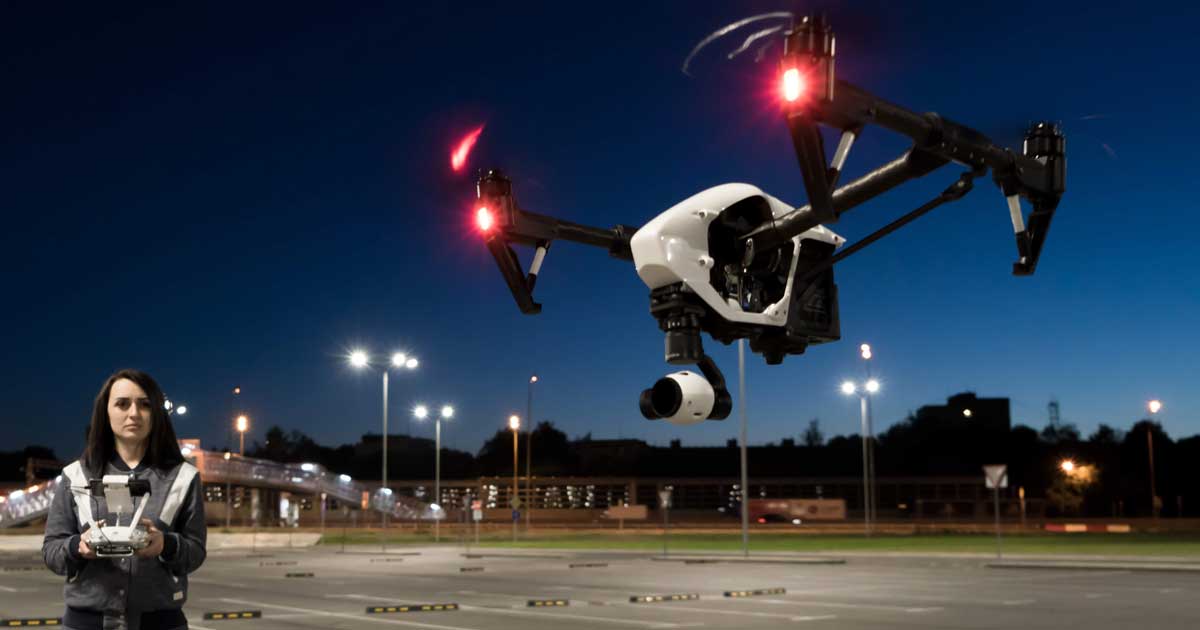

Algeria has taken a major step toward strengthening its drone ecosystem after granting its first national accreditation for unmanned aerial vehicle (UAV) pilot training, joining a growing list of African countries investing in drone skills, certification, and innovation.
- Algeria has granted its first national accreditation for drone pilot training marking a significant step in its UAV ecosystem development.
- The accreditation allows the center to train operators of Class 1 and Class 2 drones, supporting professional and governmental sectors.
- Algeria now joins other African nations like South Africa, Rwanda, and Nigeria, which are investing in drone training, certification, and regulatory frameworks.
- This milestone positions Algeria to build local expertise, enhance safety standards, and become a potential hub for drone research and innovation in North Africa.
The accreditation was awarded to SKY-TEC ENGINEERING SPA, a subsidiary of the state-owned Center for Research in Industrial Technologies (CRTI), authorizing it to train operators of Class 1 and Class 2 airborne drone systems.
Announcing the milestone, Algeria's Minister of Higher Education and Scientific Research, Kamal Badari, said the achievement was the result of "continuous efforts and fruitful cooperation with the National Center for Airborne Drone Systems."
DON'T MISS THIS: US eyes Morocco for strategic drone hub as Africa security push deepens
According to the minister, the initiative contributes to supporting "excellence, innovation, and developing national competencies in advanced technological fields."
With the accreditation, SKY-TEC ENGINEERING is now qualified to provide specialized training programs for professional remote pilots serving economic institutions, public bodies, government departments, organizations, and individuals seeking expertise in drone operations.
Badari described the certification as "a qualitative step towards strengthening national capabilities in drone technologies and keeping pace with the digital and technological transformations that our country is witnessing."
The move comes as drones play an increasingly important role across sectors such as agriculture, mining, infrastructure inspection, environmental monitoring, logistics, emergency response, and security.
Africa's race to develop homegrown drone expertise
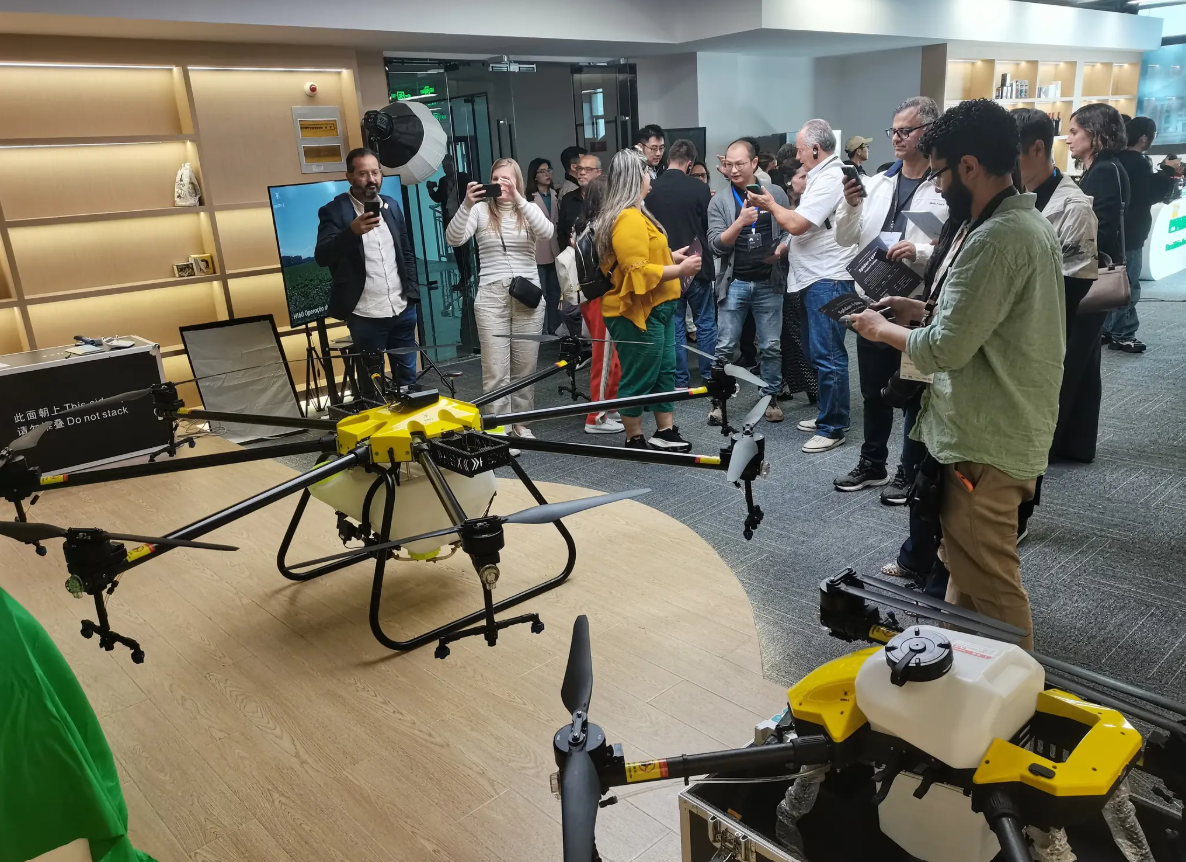
Algeria's latest move places it among a growing number of African countries building formal drone training and certification ecosystems to support the rapid expansion of UAV technologies.
South Africa remains one of the continent's most developed drone markets, with several Civil Aviation Authority-approved training academies producing licensed drone operators for commercial and industrial applications.
The country has established one of Africa's most comprehensive regulatory frameworks for UAV operations.
Rwanda has also emerged as a continental leader in drone innovation. Beyond hosting drone delivery operations for medical supplies, the country has invested in training programs and aviation infrastructure that support the growth of its drone sector.
In West Africa, Nigeria has expanded drone training through aviation institutions approved by the Nigerian Civil Aviation Authority (NCAA), reflecting growing demand for skilled UAV operators in sectors ranging from oil and gas to agriculture and mapping.
DON'T MISS THIS: Nigerian drone makers look to move core operations to Ghana
Across the continent, governments are increasingly recognizing that building local expertise is as important as acquiring drone technology itself.
By creating a pipeline of certified operators, countries can improve safety standards, support innovation, and unlock new economic opportunities tied to the fast-growing UAV industry.
For Algeria, the accreditation of SKY-TEC ENGINEERING marks more than a regulatory milestone. It signals the country's ambition to build indigenous capabilities in one of the world's fastest-growing technology sectors and position itself as a future hub for drone training, research, and technological innovation in North Africa.