Civil rights complaint, petition intensify fallout from Lyric Baltimore seating dispute
A civil rights attorney and her son face racism and mistreatment at Lyric Baltimore, leading to a formal complaint and a call for the CEO's resignation. The post Civil rights complaint, petition intensify fallout from Lyric Baltimore seating dispute appeared first on AFRO American Newspapers.
 Black News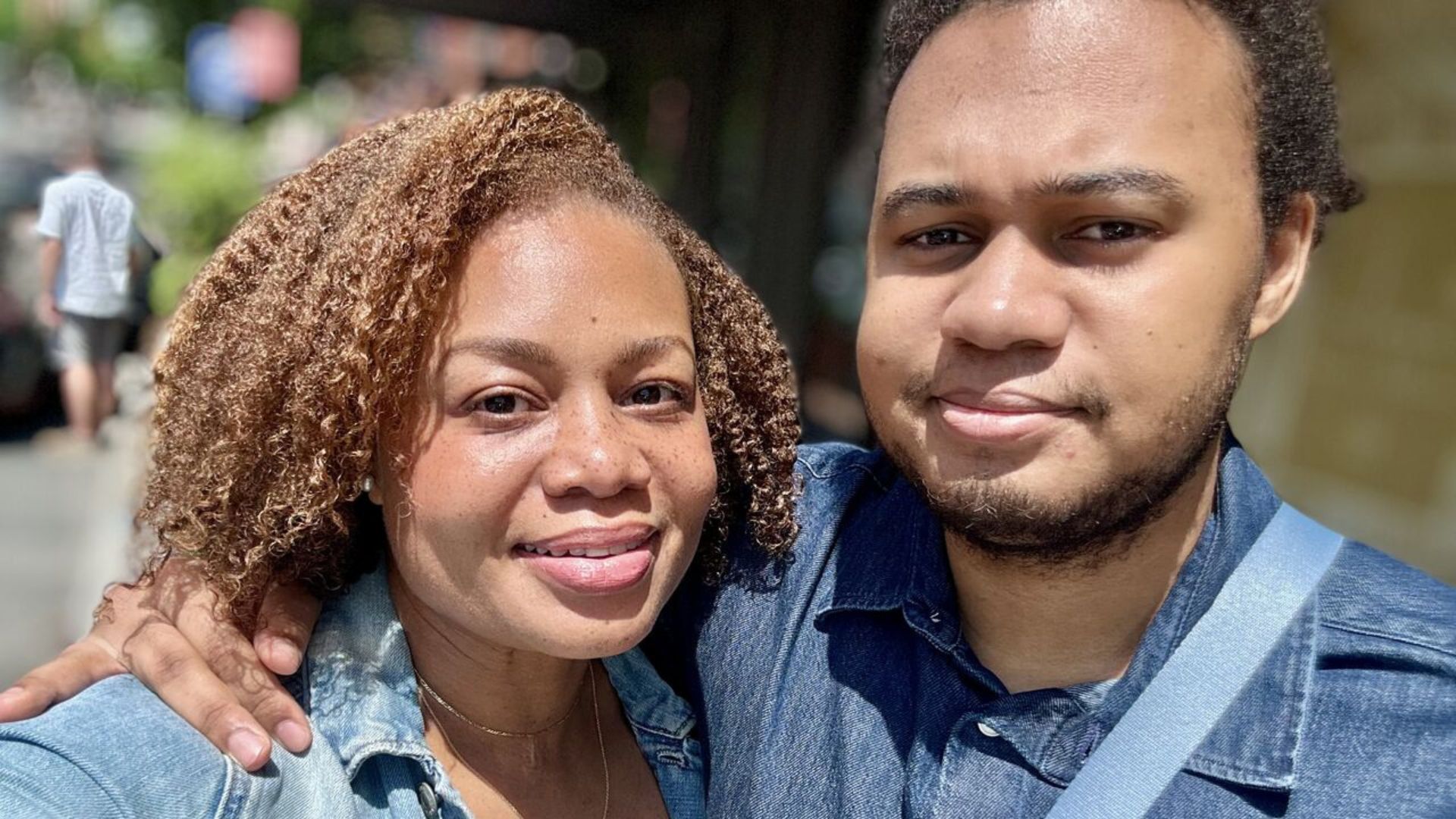

By Alexis Taylor
Managing Editor
“Why did you steal my seat, thief ?…Of course it would be you who stole our seats.”
Standing inside the esteemed theatre house, Lyric Baltimore, the insults landed on Veronica Dunlap with a sting.

The civil rights attorney of 15 years was looking for an afternoon of culture with her son, Massawa El. Instead, Dunlap says she was embarrassed in front of hundreds of Lyric Baltimore patrons on Mother’s Day, labeled “aggressive” and asked to leave the premises after a white family accused her and her son of stealing their seats.
Now, what started as a simple misunderstanding has escalated into a formal complaint with the Maryland Commission on Civil Rights and a petition to remove Thomas Bailey, Lyric Baltimore’s CEO and general manager.
Dunlap says she and her son arrived at Lyric Baltimore shortly before a 2 p.m. showing of the Washington National Opera’s production of “West Side Story.” Once inside, she says she presented her electronic tickets to a Lyric Baltimore usher and verbally told the usher she was in Row R, seats 133 and 134. The theatre house lights were dark, as the show was about to start.
“She said, ‘follow me,” recalled Dunlap. “She gets us to Row R…there were two seats in the middle, and the usher said, ‘those are your seats right there.’”
The mother and son quickly settled into the open seats pointed out by the usher.
Dunlap says, unbeknownst to her, two patrons were already sitting in seats 133 and 134 of Row R. And the unoccupied seats pointed out in the dark by the usher might have been empty– but they belonged to someone else.
The game of musical chairs wasn’t discovered until she returned from the bathroom after Act I.
“He (Massawa El) wasn’t there when I got back. I looked down and saw the seats we were sitting in. It was the right row, but the wrong seat numbers,” said Dunlap.
She was only a few seats away from the right seats, so she moved down and waited for her son.
“A woman sitting beside us, where our actual seats , said to me, ‘You should make a complaint against that man down there where you all had been sitting. If this is your son, he was yelling at him and telling him he stole his seat. His behavior was unacceptable,” Dunlap said. “My son, who is a very shy, very sweet person, said, ‘You know, Mom, I don’t want to make a big deal about it. Yes, he was really yelling, but it’s Mother’s Day, let’s just watch the show.’”
In the commotion, her son had left the snacks where they were previously sitting.
“It was–again–just a few seats down, and the second act hadn’t started,” she said. “I say to the patrons sitting in the seats where we had been, ‘Excuse me, I left my popcorn here, do you mind if I get it?’”
Dunlap bent down to pick up the popcorn.
“As I am standing up…the woman yells out ‘Why did you steal my seat, thief?’ I was taken aback,” said Dunlap.
“I didn’t steal your seat,” she replied. “The usher brought us to the wrong seats. There’s nothing I can do about that.”
Dunlap says the woman yelled “‘Of course, it would be you who stole our seats,’” prompting her to wave her hand and call for security.
“I know the dog whistles of racism when I hear them,” Dunlap told the AFRO.
But when security and other theatre staff arrived, Dunlap says she was asked to leave instead of the woman who was still screaming in their presence.
“They said, ‘You need to go, you need to get out of the theater.’ And I said, ‘Do you hear her?’ She’s yelling, ‘Get her out of here, get her out of here! You stole my seats, thief!’”
Dunlap said when a security guard put his hands on her elbow she realized the gravity of the situation.
“I am a Black mother. I have a son who is 24 years old. He is a big Black male,” she thought. “The last thing I want is for him to react and try to save me from whatever physical altercation might happen, so I’m going to leave this aisle, be safe and deal with it when I get outside the theatre.”
In a hall, surrounded by more than four security officers, Dunlap says a woman from the Washington National Opera tried to get to the bottom of the situation before pointing out Thomas Bailey as the general manager.
Dunlap says he made no attempt to speak with her, but did speak with security. When her son was removed from the theatre, she walked over to Bailey to speak with him.
“‘Why would you have them pull me out of the theater and let those people stay after the way they treated me and my son–calling us thieves and saying we stole their seats?’” Dunlap said she asked Bailey. “The usher is the one who put us there.”
Dunlap says Bailey’s response was less than satisfactory.
“‘Well, you were being aggressive,’” Dunlap says Bailey told her.
In the end, the woman from the Washington National Opera offered them tickets to a future show. The two were let back into the theatre and Dunlap says Bailey told her he would “‘talk to those people,” resolve the issue and speak with her after the show. However, after the play she says she made eye contact with Bailey and then he disappeared into the crowd. At that point, an older Black lady came up and asked to give a hug.
“I said, ‘thank you, but why?’ And she said, ‘It’s Mother’s Day. You should not have gone through this. She said, “Did you get that general manager’s information? …You need to reach out to him, because he did bring those people out here, and he apologized to them. He offered them seats to another show, and he told them that they were going to get a refund.”
“He did not offer us a refund at all. He did not apologize to us. He was completely dismissive,” said Dunlap. “I was for Community Day, because I’m on the board of Baltimore Schools for the Arts…Why would I be here stealing seats? It makes no sense at all.”
Dunlap wrote Bailey an email when she got home, explaining the trauma experienced and asking for a refund.
In response to the request, Bailey then arranged the refund of $29.36. He still never apologized in the correspondence, which was shared with AFRO News.
The AFRO reached out to Lyric Baltimore about the incident and received the following response from Stephen Palmer, chairman of the Lyric Baltimore Board of Trustees:
The Lyric is deeply disheartened about the experiences described by certain patrons during the performance of West Side Story on Sunday, May 10.
The Lyric has the utmost respect for every person who walks through our doors, and we are committed to providing a welcoming, respectful, and safe environment for all members of our community.
We take these concerns very seriously. The Board of Trustees is conducting a thorough investigation of the incident and the circumstances surrounding it, including conversations with staff and patrons who were present.
As part of our immediate response that evening, both parties involved were addressed by staff in a consistent manner and were offered the same accommodations, including refunds and invitations to attend a future performance of West Side Story.
While the investigation is ongoing, we believe it is important to acknowledge the distress expressed by those involved and to reaffirm our commitment to treating everyone with dignity and care.
The Lyric has long valued its role as a cultural institution that serves the entire Baltimore community, and we remain committed to this mission and responding thoughtfully as we move through this process.
Chrissy Thornton, CEO of Associated Black Charities, said the statement is not enough.
“It is sterile, evasive, institutionally self-protective, and painfully inadequate for the seriousness of what Veronica and her son, Massawa, experienced,” said Thornton, in a response to Palmer’s statement. “It was a discriminatory institutional response. It was a weaponization of staff, security, and police power against a Black woman and her Black son who had every right to be present, protected, and treated with dignity.”
On May 21, leaders at the Lyric issued an additional statement, announcing an investigation.
“The Mintz law firm, led by former Maryland U.S. Attorney Erek L. Barron, Michelle N. Lipkowitz, and Natashia Tidwell, is leading an investigation of the events of our May 10, 2026 performance,” said part of the statement. “In commissioning this work, Board Chair Stephen Palmer stressed the seriousness of the concerns raised and the critical need for an objective and thorough review to establish the facts and evaluate where changes may be needed. The Board’s selection of this experienced team reflects its commitment to the safety and well-being of The Lyric’s patrons, employees, and wider community.”
“The Lyric is committed to the highest professional standards in its treatment of patrons and employees, and to the fair and equitable treatment of every person who comes through our doors,” the statement continued. “The Board is undertaking this work to ensure those commitments are fully reflected in the institution’s policies, training, and practices.”
Still, a petition has been created, calling for Bailey’s resignation. The petition says a true remedy would include the refund, but also a public written apology, a review of the entire incident, training for staff from “credible outside partners” and a “clear non-discrimination and patron protection policy.”
The post Civil rights complaint, petition intensify fallout from Lyric Baltimore seating dispute appeared first on AFRO American Newspapers.