Ebola: travel restrictions on Uganda wrong, unnecessary -WHO
The World Health Organisation (WHO) has described travel restrictions imposed on Uganda following the Ebola outbreak in neighbouring Democratic Republic of Congo (DRC) as unnecessary and counterproductive. Speaking to journalists after touring Uganda’s main Ebola isolation facility at Mulago National Referral Hospital on Monday, WHO director-general Dr Tedros Adhanom Ghebreyesus urged countries that have imposed […] The post Ebola: travel restrictions on Uganda wrong, unnecessary -WHO appeared first on The Observer Media Ltd.
 Black News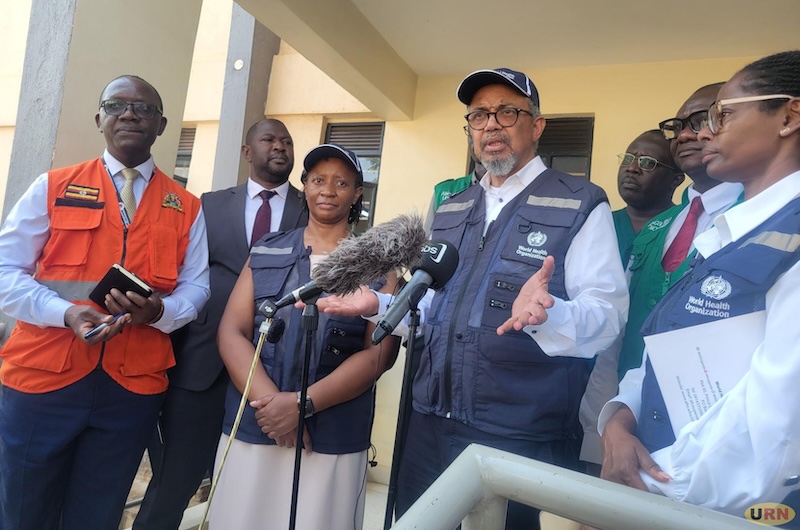

The World Health Organisation (WHO) has described travel restrictions imposed on Uganda following the Ebola outbreak in neighbouring Democratic Republic of Congo (DRC) as unnecessary and counterproductive.
Speaking to journalists after touring Uganda’s main Ebola isolation facility at Mulago National Referral Hospital on Monday, WHO director-general Dr Tedros Adhanom Ghebreyesus urged countries that have imposed restrictions to reconsider their decisions.
He said Uganda has continued to report Ebola cases transparently and implement appropriate public health measures, arguing that travel restrictions do little to curb the spread of the disease while causing significant economic harm.
Several countries imposed restrictions after Uganda confirmed an outbreak of Sudan Ebola Virus Disease in May.
The United States issued a travel advisory limiting official travel to western Uganda and discouraging US government employees from personal travel to the region. The US embassy also advised its staff against non-essential visits to health facilities in Uganda.
In addition, the United States barred entry to most foreign nationals and residents who had recently travelled to Uganda. US citizens returning from affected countries were required to enter through designated airports for enhanced screening and undergo 21 days of health monitoring.
Other countries that introduced restrictions include Taiwan, Canada, the United Arab Emirates, Bahrain, Jordan and the Bahamas.
The restrictions affected hundreds of Ugandan Rotarians who had reportedly spent millions of shillings on travel arrangements and visa applications to attend an international convention in Taiwan.
Ghebreyesus said Uganda’s long experience in managing infectious disease outbreaks demonstrates that travel bans are not an effective response to public health emergencies.
For decades, Uganda has been recognised as one of Africa’s most experienced countries in responding to outbreaks, including Ebola, Marburg, yellow fever and Covid-19.
According to Dr Daniel Kyabayinze, director of public health at the ministry of Health, Uganda has so far recorded 19 laboratory-confirmed Ebola cases. Of these, five patients have recovered and been discharged, while those still receiving treatment are responding well to supportive care.
Since the outbreak was confirmed on May 15, 2026, the country has not recorded any additional deaths beyond the index case, a Congolese national who sought treatment at Kibuli Muslim Hospital.
Kyabayinze said 14 of the confirmed cases were imported from the DRC or involved caregivers who had direct contact with infected individuals.
“So far, we have not registered a single community case originating from within Uganda,” he said.
Ugandan authorities have previously criticised the practice of combining Uganda’s Ebola statistics with those of the DRC in international reporting.
Officials argued that presenting the figures together created unnecessary alarm and damaged Uganda’s tourism sector despite the significantly different epidemiological situations in the two countries.
While Uganda has recorded a limited number of cases and deaths, the DRC has reported hundreds of confirmed infections and dozens of fatalities.
Ghebreyesus acknowledged the concerns and said WHO had since revised its reporting approach.
He noted that separating data by country is essential because it provides a clearer picture of each outbreak and enables health authorities to tailor their responses appropriately.
Meanwhile, Uganda has imposed its own measures to minimise cross-border transmission, including a temporary suspension of direct flights to and from the DRC.
Authorities have also halted bus and boat crossings along parts of the border for an initial period of 30 days as part of efforts to contain the outbreak.
The post Ebola: travel restrictions on Uganda wrong, unnecessary -WHO appeared first on The Observer Media Ltd.