London’s Foundling Museum – a poignant day out
The Foundling museum brings history of caring for and raising foundlings to life through a mix of art, objects and personal stories. The post London’s Foundling Museum – a poignant day out appeared first on The Travel Magazine.
 Black News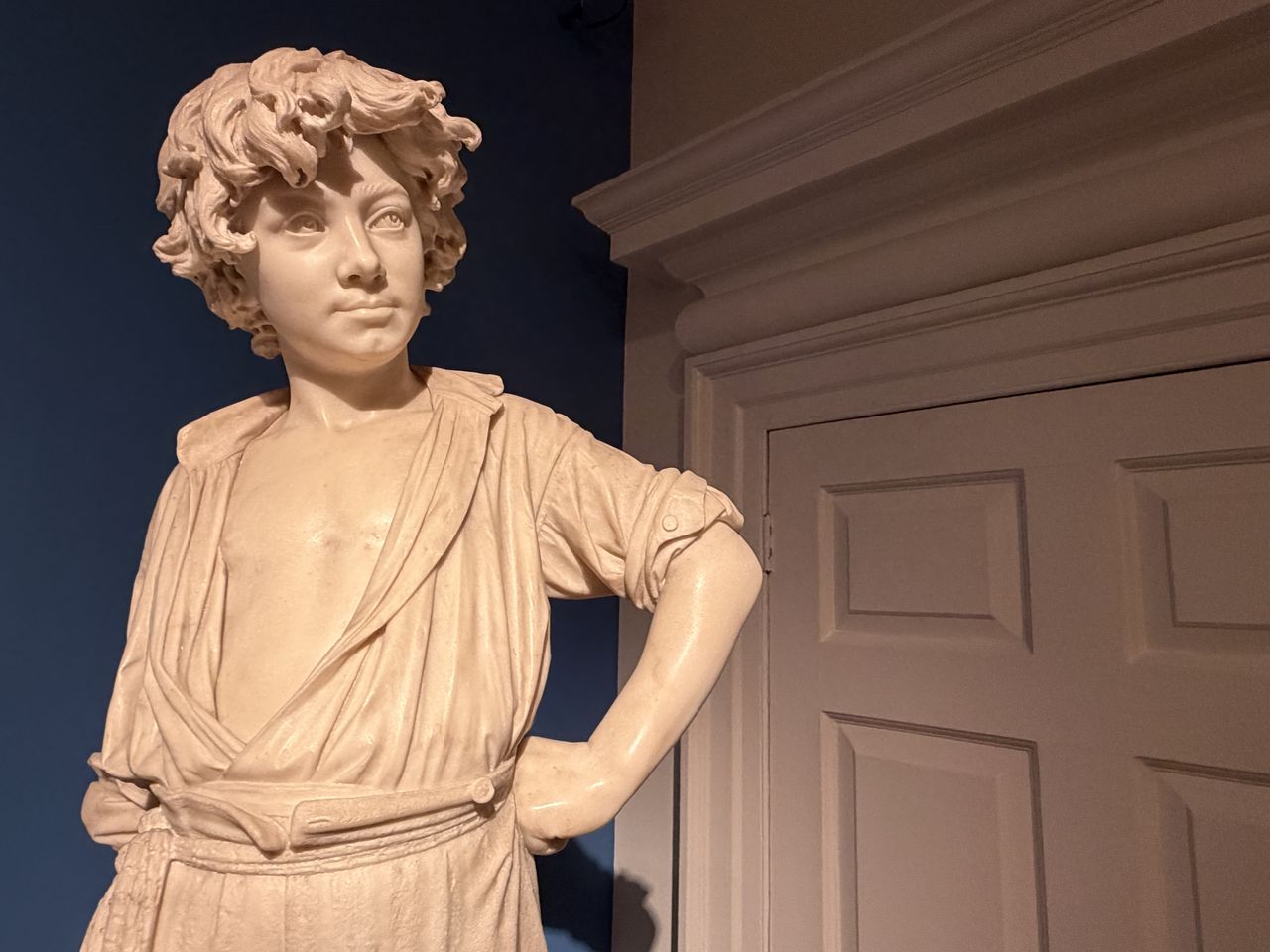
Popular literature is full of heroes who grew up without their birth family. Snow White was raised by her wicked stepmother; Harry Potter was an orphan brought up by his aunt and uncle; and Oliver Twist lived in a grim institution for orphans and abandoned infants.
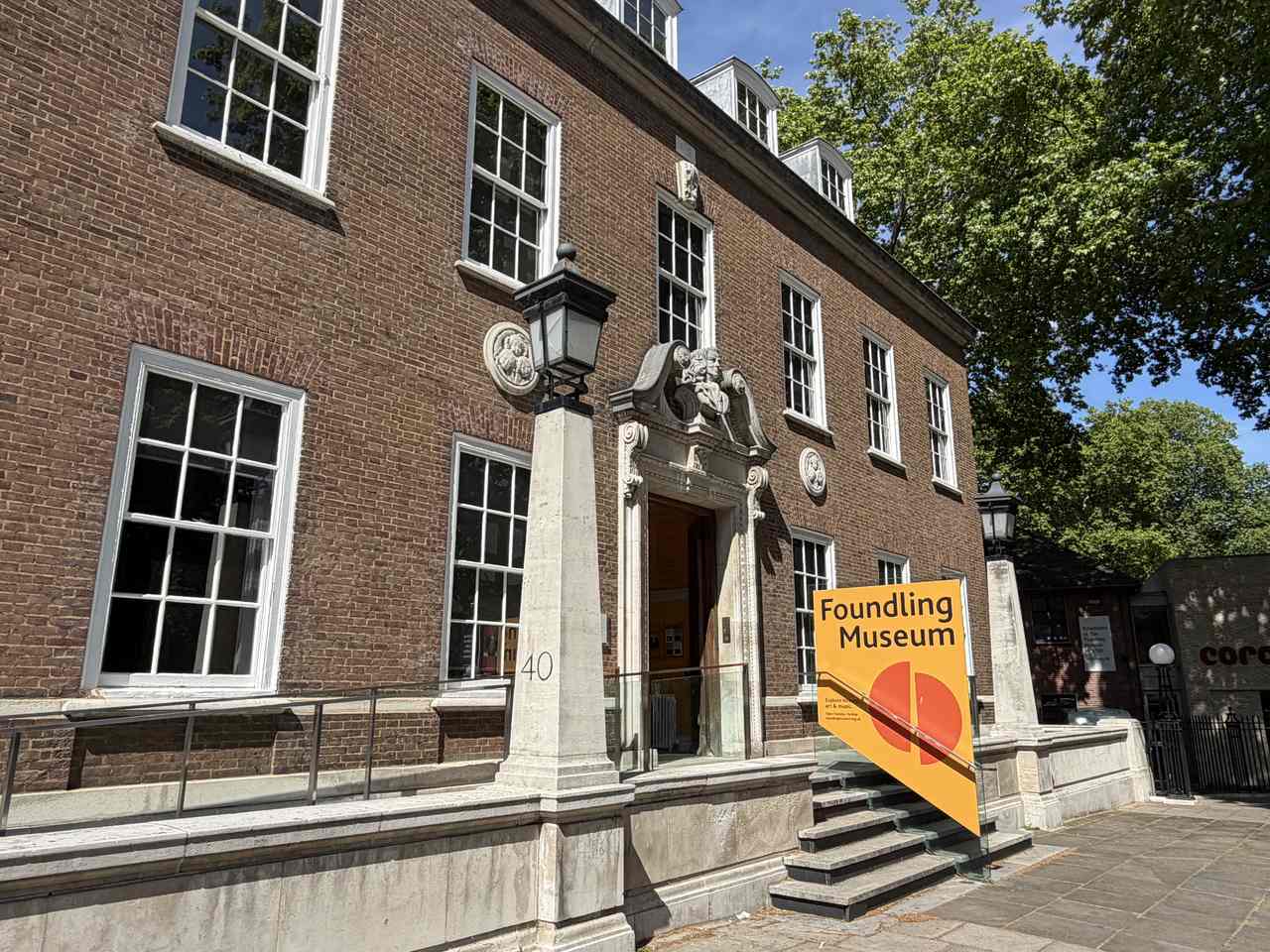
Foundling Museum
But although all these characters are fictitious, author Charles Dickens was inspired to write Oliver Twist by the street children he saw growing up in Victorian London, as well as by the pioneering work of the Foundling Hospital. Today, a visit to the Foundling Museum is a poignant but inspiring look at life for children in care since the 18th century.
One Man’s Mission
Located in leafy Bloomsbury, the Foundling Museum overlooks the green space of Coram’s Fields, formerly Lamb’s Conduit Fields. Site of the original hospital from 1739 until the 1920s, Coram’s Fields is today a safe play area where every adult must be accompanied by a child under 16, and is named after the visionary behind The Foundling Hospital.
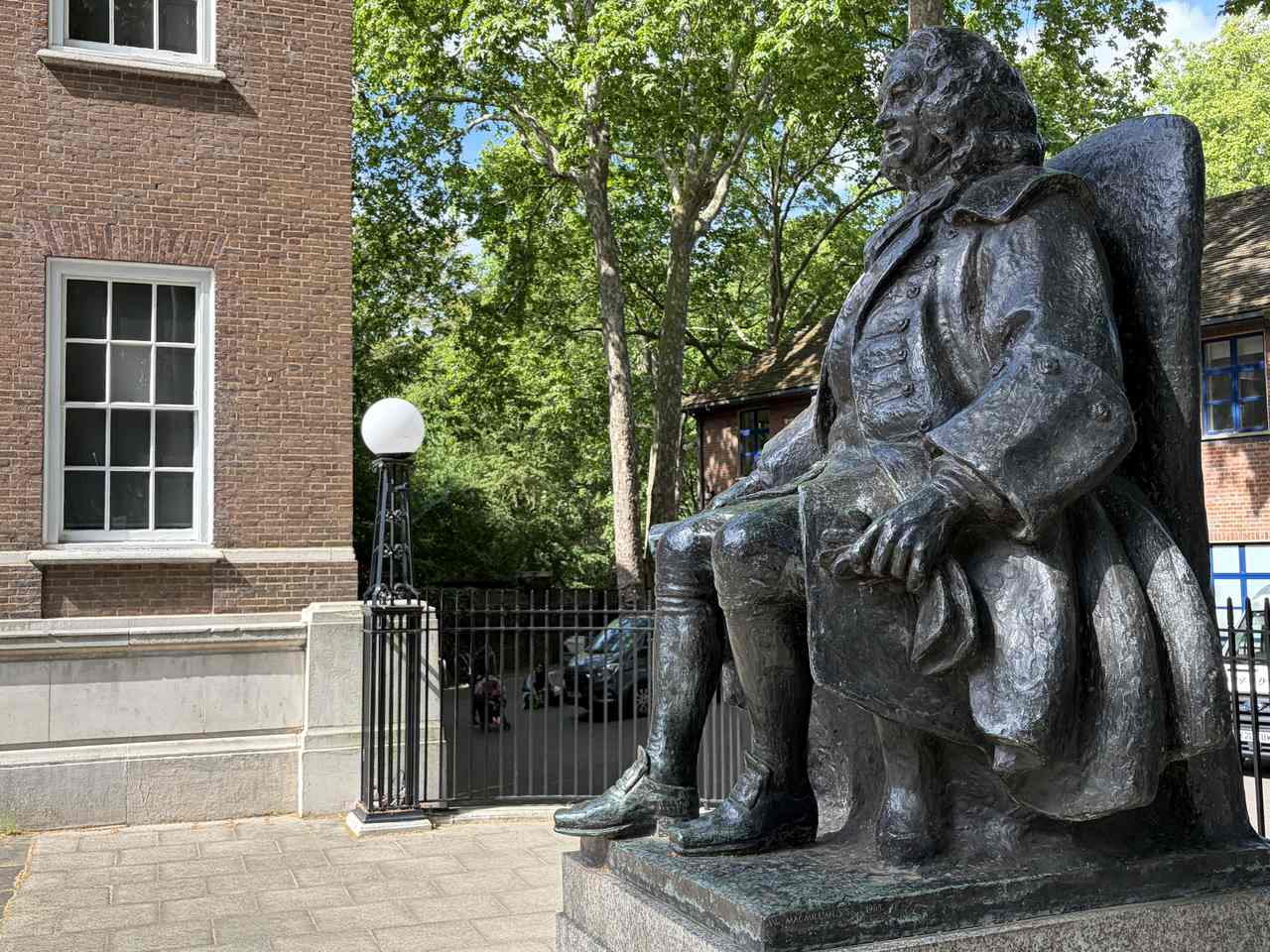
Thomas Coram
Captain Thomas Coram returned to London in 1704 from North America, where he had set up a shipbuilding business. Every morning as Coram walked along the Thames from his home in Rotherhithe to the City, he was horrified to find vulnerable children and babies abandoned by destitute parents.
Without wealth and connections, it took 17 years to gather enough support to gain the King’s permission to launch his charity, and today, the Royal Charter from George II is the first exhibit in the Museum’s Introductory Gallery.
Token gestures
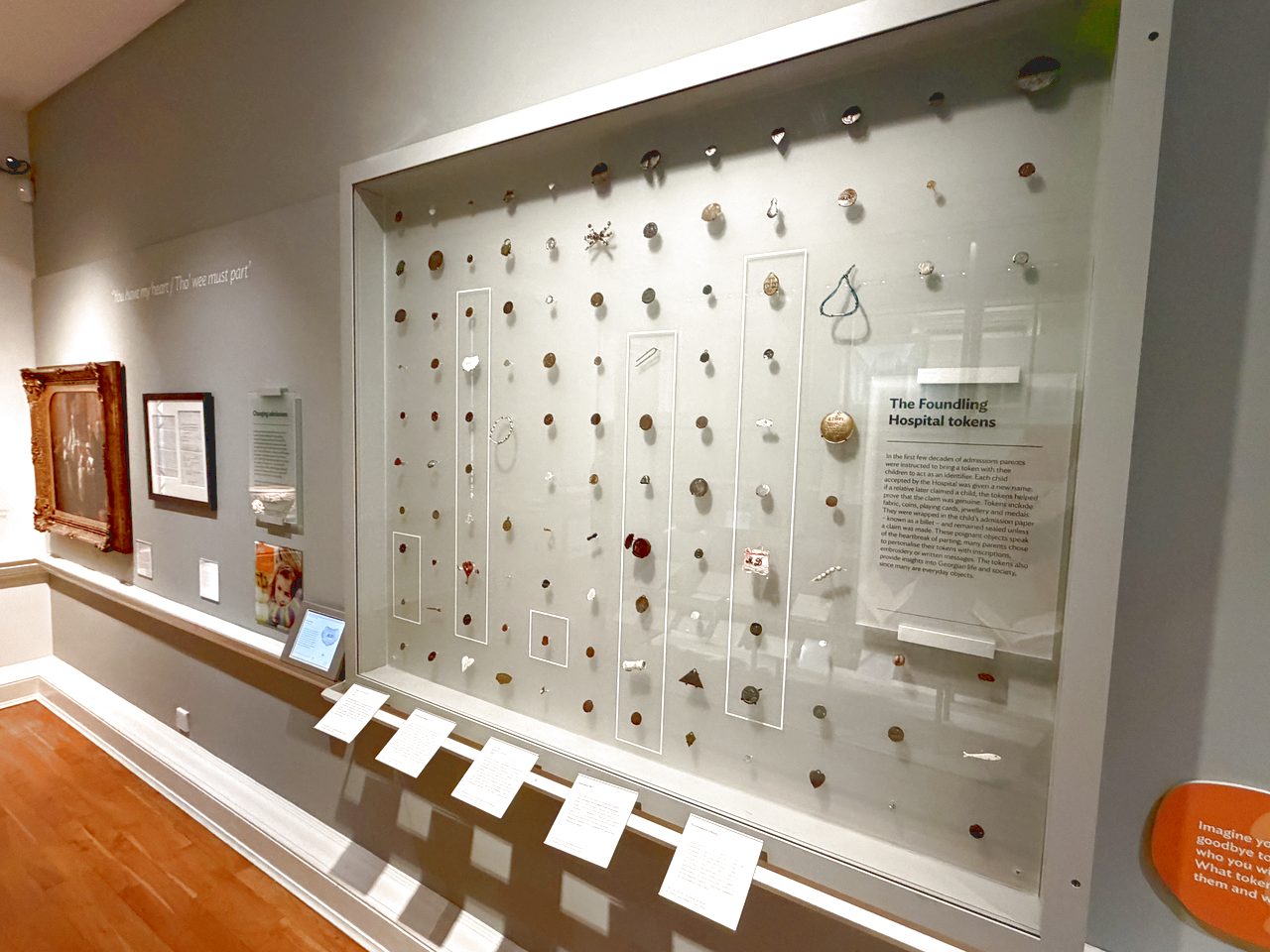
Wall of tokens
Despite its name, The Foundling Hospital was not a hospital for the sick but a place of hospitality. Nor was it solely for foundlings. Most children were either orphaned or handed in by parents too impoverished to look after them. Only babies under two months were accepted, rehomed with foster parents before returning to the Hospital at 5 to be educated.
New arrivals were given a new name and a numbered tag. I’m hugely touched by the swatches of faded fabric, cut from parents’ clothing and left on their baby’s records as a means of identifying them, should they be able to reclaim their child. Fabric was later replaced by tokens and I linger over the heartbreaking display of small items such as coins, playing cards and even a hazelnut.
A showcase for the arts
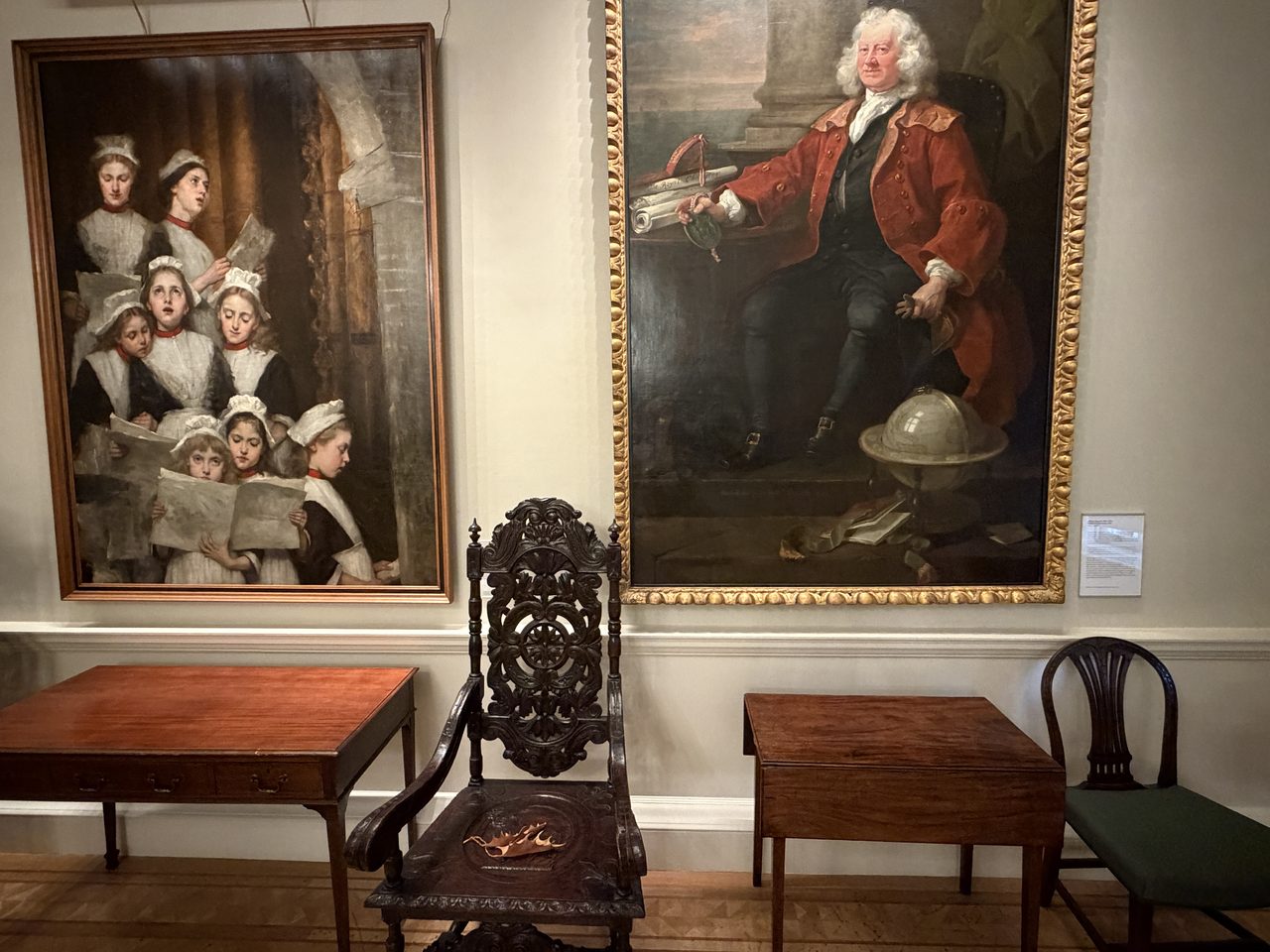
Portrait of Thomas Coram
As well as being a pioneering children’s charity, The Foundling Hospital is regarded as London’s first public art gallery, showcasing works donated by painters such as William Hogarth to raise funds. Staunch supporters of the charity, Hogarth and his wife were also foster parents to abandoned children.
He launched the Hospital’s collection by donating his portrait of Thomas Coram which hangs today in the Picture Gallery. Seated amongst reminders of his seafaring days, Coram’s benevolent face smiles out from under a mop of wild white hair. Not for him the periwig beloved by Georgian Society gentlemen! And across the landing, the lavishly decorated Court Room Gallery displays more art and furnishings gifted by leading artists of the day.
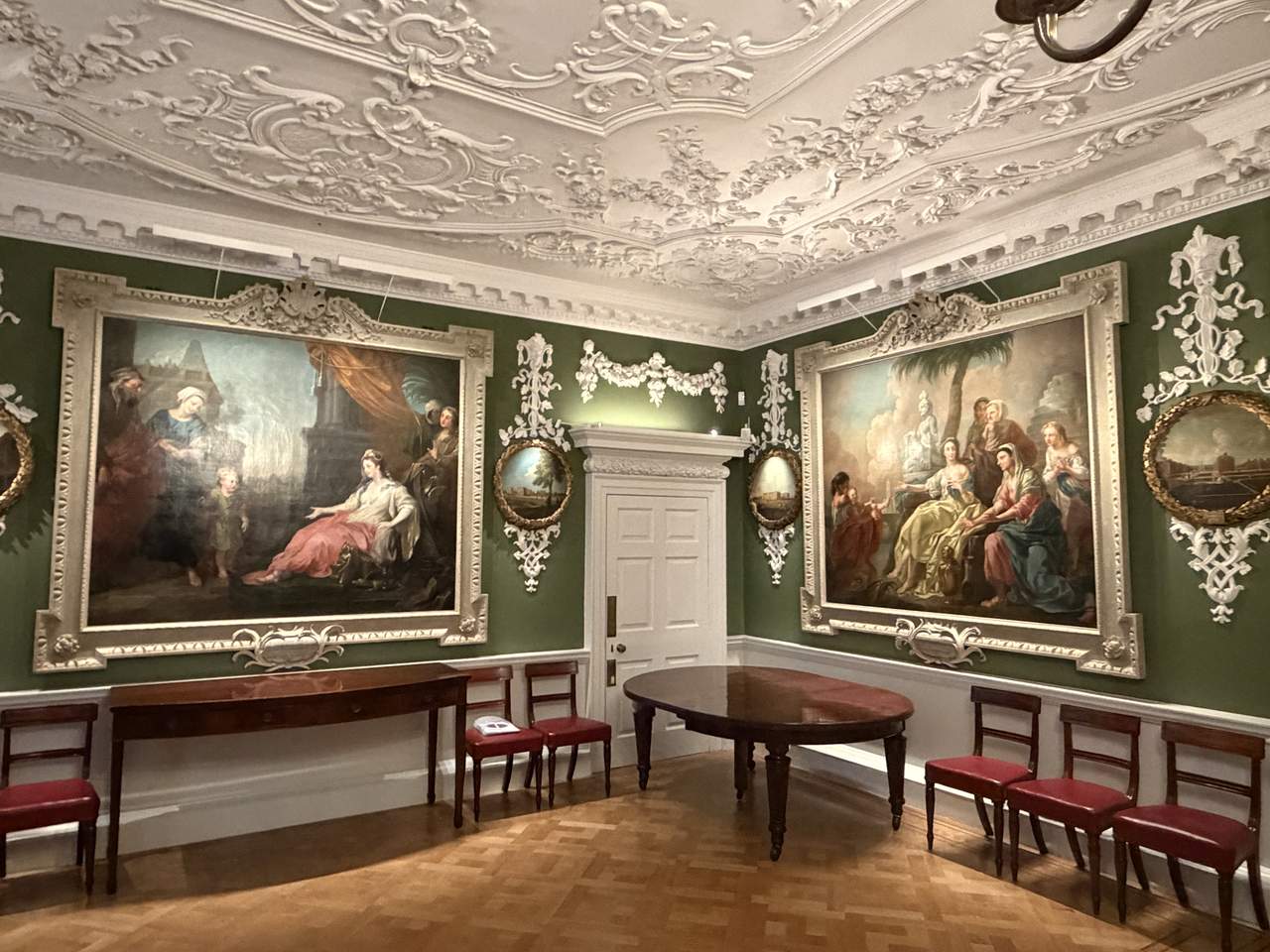
Courtroom Gallery
Master music maker
Another active supporter was George Frideric Handel who staged benefit performances for the Hospital and even bequeathed the manuscript score of his Messiah to the Hospital. Head up to the Handel Gallery on the top floor to see an extensive collection of manuscripts and memorabilia from the Gerald Coke Handel Collection, including his Will. You can even relax in an armchair and listen to music!
Still working today
The Foundling Museum aims to inspire change through the power of the arts, using the museum’s collections to help shape a better future for young people.
At the heart of the charity’s work is an arts training programme with young people who have been in care, along with arts and wellbeing activities for early years children, families and local communities. Details at www.foundlingmuseum.org.uk
Open daily from 10am except Mondays, adult admission £14.50 (£13.50 advance online); 21 & under, free.
Step back to Victorian Bloomsbury
Want to see more? For an immersive experience of Victorian London, head to Shaftesbury Avenue in Theatreland. Dickens published Oliver Twist in monthly instalments between 1837 and 1839, and his characters have become world famous thanks to theatre and cinema versions.
I followed up my visit to The Foundling Hospital with a seat for the latest London run of Lionel Bart’s iconic musical Oliver, presented by Cameron Macintosh and with choreography by Matthew Bourne.
More intimate than many venues that have staged previous productions, the Gielgud Theatre plunges you right into the heart of the action, tugging at the heartstrings, making you laugh, and sending you home singing some of the best musical theatre tunes ever written. The perfect double bill for an emotional but uplifting day out.
The post London’s Foundling Museum – a poignant day out appeared first on The Travel Magazine.




-travel-warning-jfz03x21.jpeg?width=1200&auto=webp&crop=3:2#)