Finding Fellowship: How a Black Maryland Community Bridged Racial Divides
What began as bedside conversations with Green's grandmother became a quest to save a disappearing piece of Black America. His work documents how faith, community, and intentional relationship-building helped residents navigate racial tensions that still echo today. The post Finding Fellowship: How a Black Maryland Community Bridged Racial Divides appeared first on Word In Black.
 Black News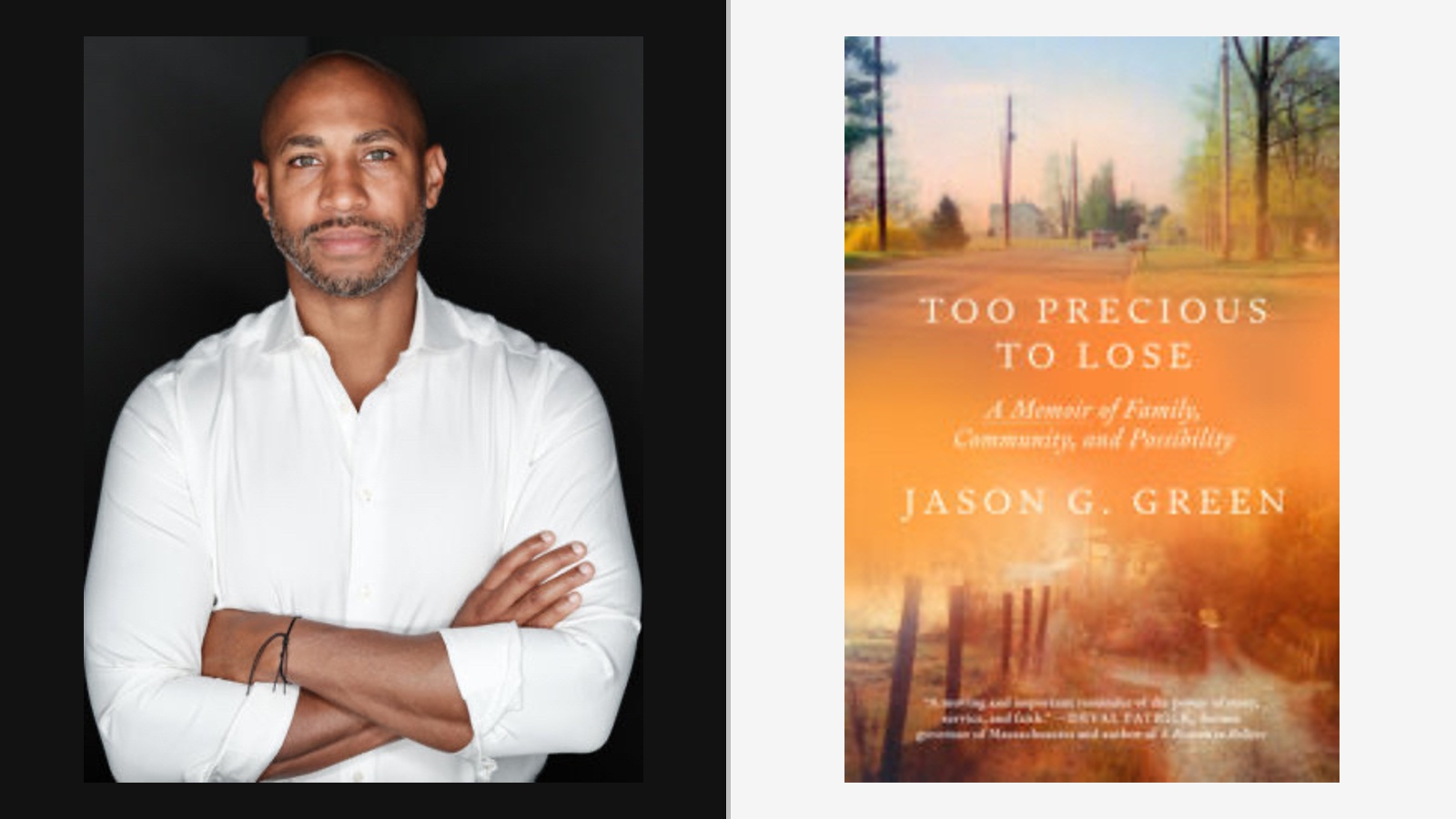

Jason Green thought he was returning home to say goodbye to his grandmother.
Instead, sitting beside Ida Pearl Green’s bed in a Montgomery County, Maryland, nursing facility, the former White House aide to President Barack Obama found himself listening to stories about a Black church, two white congregations, and an unlikely 1968 experiment in fellowship that survived one of the most turbulent periods in American history.
Those conversations would eventually become “Finding Fellowship,” a PBS documentary that asks what a bitterly divided nation in the era of President Donald Trump might learn from communities that chose reconciliation over retreat.
LEARN MORE: ‘Reparations Sunday’ Brings a Hot Debate Into Black Churches
Green calls the documentary “a microcosm of America” and how a community moved past division and embraced “what can be accomplished with intention, purpose, and sacrifice.” It tells the story of how the churches in a historically Black community in Maryland set aside division and suspicion to unite in the aftermath of the King assassination — and how the Black church is the only one still standing.
Historic Black Community
His grandmother is also the catalyst for Green’s new book, “Too Precious to Lose,” about how Quince Orchard, a historically Black community in Maryland that’s not far from Washington, D.C., is in danger of being wiped out by suburban development and the ravages of time.
While the central story of his film emphasizes unity, the story “is also about demonstrating the importance of intentionally preserving our history and heritage,” says Green, a preacher’s kid who once considered entering the ministry. “Our film is raising awareness of that Pleasant View [Maryland] historic site and raising the funds to ensure it is saved and preserved to be a site for inspiration for generations to come.”
On its website, the Pleasant View Historical Association describes the community as the social hub of Quince Orchard, a once-rural community in danger of being overtaken by homes and shopping centers. It’s home to Pleasant View United Methodist Church, the Quince Orchard Colored School, and Pleasant View Cemetery.
Accidental Historian
In some ways, Green was hardly a likely chronicler of Pleasant View’s history.
A Yale-trained lawyer who worked on Obama’s presidential campaign and later served in the White House, Green had built a career worlds away from the community that shaped his family. For years, career opportunities and public service had pulled him farther from it.
“I was kind of marching down this world feeling like I had it figured out,” Green said. “I was on this journey of self-importance.”
There are important lessons from our past that can help us navigate where we’re trying to go.
Jacob GReen, Author and documentary filmmaker
Then came the call from his mother in 2013: Ida Pearl Green, who had shaped his earliest understanding of faith, service, and community, was nearing the end of her life.
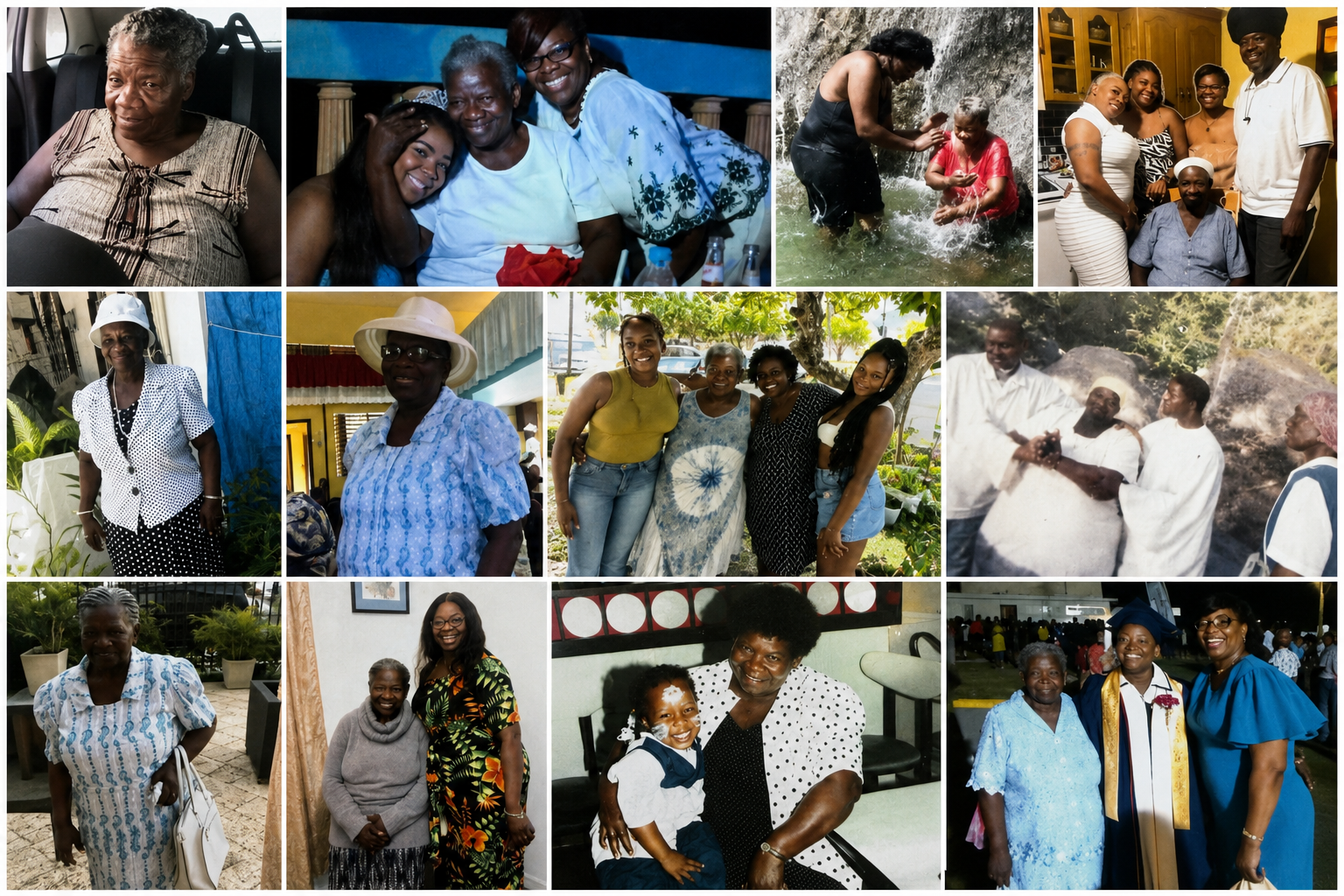
Green’s grandmother was born in 1918 and reared in Quince Orchard. Active well into her 100th year, Ida Pearl Green embodied a generation forged by hard work, faith, and perseverance.
‘Here to Serve Someone’
When he was a boy, Ida Pearl Green had taken her grandson on volunteer visits to nursing-home residents. When he asked why they spent time with people they could not help, she offered a lesson he took to heart: “We’re not here to save someone. We’re here to serve someone.”
That lesson “allowed me, even at five years old, to understand that I could make someone’s life better simply by showing up and being present,” Green told Word In Black in a recent interview.
After receiving the call about his grandmother, Green quickly arrived at her bedside, carrying guilt over the years he had missed with her. Long conversations with her, however, would become the foundation for “Too Precious to Lose.”
As he spent time with her, stories began to emerge that he had never fully heard before. She told him about growing up in Quince Orchard, a close-knit Black farming community anchored by faith, education, and mutual support. She described a world where Black churches, teachers, and neighbors formed a protective network that nurtured generations.
Green found himself longing for the community she described, which thrived despite existing beneath the shadow of Jim Crow.
“I kept thinking, ‘Wait a minute. How did y’all have this Black solidarity community?’” he said.
Faith and Fellowship
Her stories also revealed a remarkable chapter in local civil rights history. Green learned how his family’s historic Black church, faced with declining enrollment and aging facilities, elected to merge with two white congregations facing similar challenges. The vote happened just after King’s assassination, launching years of difficult conversations about race, identity, and shared community.
Green was stunned. The story challenged his assumptions about community and reconciliation, eventually inspiring him to leave the White House and begin working on “Finding Fellowship.”
On his final day with the administration, Green brought his grandmother to meet Obama in the Oval Office. Neither she nor the president knew Green planned to resign. The choice would become one of the most meaningful decisions of his life.
RELATED: Why Teaching Black History Is Sacred Work
As he dove into research and Trump rose to political prominence, “I remember hearing that the country hadn’t been this divided ‘since 1968,’” Green said in an interview published on the Obama Foundation website. “My grandmother had told me this story from 1968 about people overcoming their division, and I thought perhaps this was a story that could help us as we try to figure out how we’re going to move forward into the future.”
Important Lessons
Doctors initially predicted Ida Pearl Green, then in her mid-90s, she had only months to live. Instead, she lived nearly 11 more years, dying just shy of her 107th birthday. Those years back home, away from the demands of Washington, gave Jason Green time to preserve family stories, document community history, and deepen relationships that might otherwise have been lost.
Today, he sees those stories as more than family memories. He believes they offer guidance for a nation wrestling with division, uncertainty, and isolation.
“We’ve been here before,” Green said. “There are important lessons from our past that can help us navigate where we’re trying to go.”
The post Finding Fellowship: How a Black Maryland Community Bridged Racial Divides appeared first on Word In Black.