Fresh boost for Kenya exporters as China clears latest shipments under new zero-tariff policy
China has begun implementing an expanded zero-tariff policy for imports from 53 African countries with which it has diplomatic ties, a move expected to deepen trade relations and increase the flow of African agricultural and consumer products into the world’s second-largest economy.
 Black News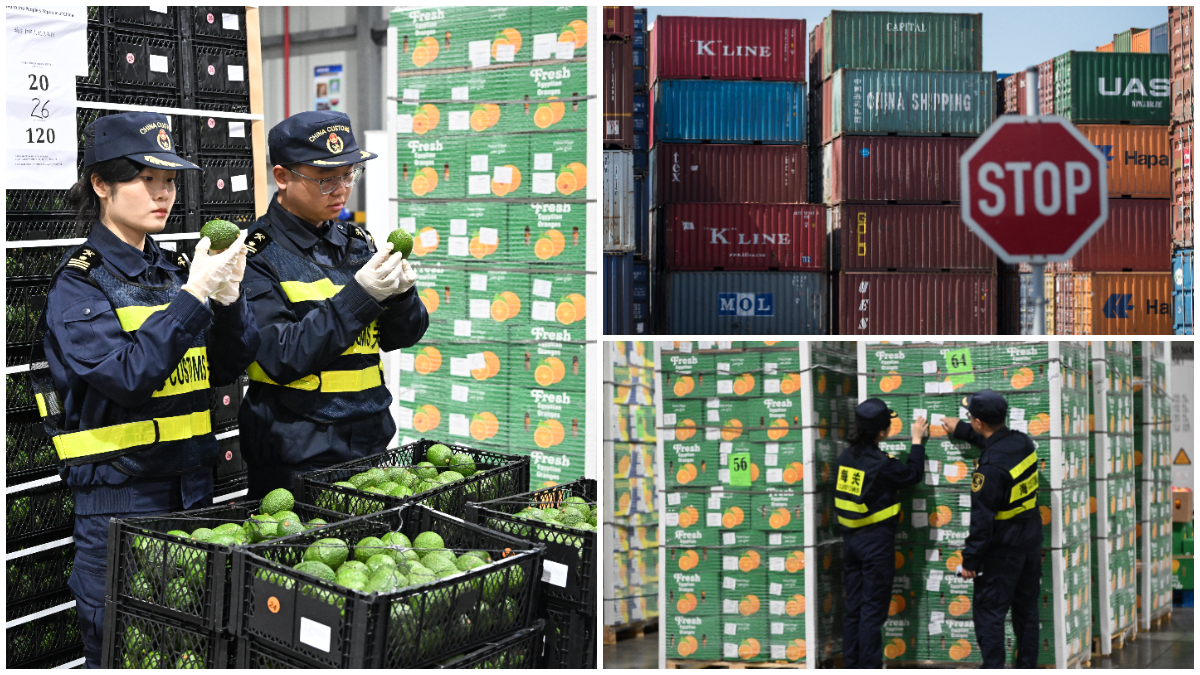
![Customs officers inspect Kenyan avocados to be cleared at Shanghai Waigaoqiao Port Area on May 1, 2026 in Shanghai, China. Customs authorities across China are busy handling arrivals of African imports that were early beneficiaries of the country's historic expansion of its zero-tariff treatment, which now covers all 53 African nations that have diplomatic ties with China. [Photo by VCG/VCG via Getty Images]](https://ocdn.eu/pulscms/MDA_/11d9124c6e67fab53c7ed0b2263d3e32.jpg)
China has begun implementing an expanded zero-tariff policy for imports from 53 African countries with which it has diplomatic ties, a move expected to deepen trade relations and increase the flow of African agricultural and consumer products into the world’s second-largest economy.
- China has expanded zero-tariff access for imports from 53 African countries with which it has diplomatic ties, boosting exports of agricultural and consumer goods.
- The policy has already accelerated shipments of products, including South African apples and Kenyan avocados, into Chinese markets.
- Trade between China and participating African nations reached $348.08 billion in 2025, with further growth recorded in early 2026.
- Chinese authorities are also easing customs and quarantine procedures to support faster clearance of African exports.
The policy took effect on Friday, May 1, 2026, and immediately accelerated the entry of African goods into Chinese markets. At midnight, customs officials in Shenzhen cleared 24 tonnes of South African apples, marking the first shipment to enter under the new arrangement. The apples, previously subject to a 10% tariff, can now enter China duty-free.
Hours later in Guangzhou, customs authorities processed more than 6,900 kilograms of fresh Kenyan avocados, benefiting from the tariff removal. The produce reached consumers in southern China’s Greater Bay Area by the end of the day.
The expanded measure builds on an earlier initiative introduced in December 2024, when China eliminated tariffs on 100% of tariff lines for imports from 33 least-developed African countries with which it maintains diplomatic relations. The latest extension now includes larger African economies such as South Africa, Nigeria, Egypt and Algeria.
Chinese customs data shows that trade between China and the 53 African countries covered by the policy reached a record $348.08 billion in 2025. In the first quarter of 2026 alone, trade totalled $92.16 billion, representing a 26.8% year-on-year increase.
The tariff cuts are expected to improve the competitiveness of African exports in China at a time when Beijing is seeking to strengthen economic ties with the continent amid shifting global trade patterns.
![Customs officers inspect Egyptian oranges to be cleared at Shanghai Waigaoqiao Port Area on May 1, 2026 in Shanghai, China. [Photo by VCG/VCG via Getty Images]](https://ocdn.eu/pulscms/MDA_/029171a971ab3306f9fcc84d1da9d7bb.jpg)
Products already entering China under the scheme include Beninese pineapples, Rwandan dried chillies, Malagasy mutton, Ghanaian black soap, Tunisian rosemary and Nigerian cassia seeds.
Yuan Chengjie, the sales manager at Shenzhen Ouheng Import & Export Co., said that eliminating tariffs on Kenyan avocados would reduce costs and improve their market position in China.
“Zero tariffs mean better competitiveness and lower costs, a real gain for us and for Chinese consumers,” Yuan said.
Chinese importers are also adjusting their sourcing strategies in response to the policy. Wang Xinguo, general manager of Ningbo Beiyuan Co., said that duty-free access for African coffee beans had widened sourcing opportunities and improved supply chain flexibility.
The company plans to increase its imports of African green coffee beans by 15%-20% this year, targeting annual imports of about 1,200 tonnes.
Alongside tariff reductions, Chinese authorities have introduced measures to ease customs and quarantine procedures for African exports. The General Administration of Customs has expanded “green channel” clearance systems for African agricultural and food products and revised rules governing certificates of origin.
![Customs officers inspect Kenyan avocados to be cleared at Shanghai Waigaoqiao Port Area on May 1, 2026 in Shanghai, China. [Photo by VCG/VCG via Getty Images]](https://ocdn.eu/pulscms/MDA_/81f5a28015e61232e918fa5e7ea8bb62.jpg)
The reforms are designed to reduce delays for perishable goods, a persistent challenge for exporters dealing with long shipping times and strict customs procedures.
Zhang Panjun, customs manager at a Zhejiang-based trading company, said new customs procedures recently helped his company clear a shipment of Egyptian oranges before its certificate of origin documentation had been fully processed.
Chinese customs authorities allowed the fruit to be released under a supplementary declaration process, avoiding spoilage and additional storage costs.
Guo Xueyan, an official with the General Administration of Customs, said updated regulations for overseas food producers will take effect on June 1, further streamlining African agricultural exports into China.
Analysts say the expanded tariff-free access could offer African exporters greater access to China’s vast consumer market, while also helping Beijing reinforce its economic influence across the continent amid intensifying global competition for trade and investment partnerships.