Gender inequality costing Gambia growth, World Bank reveals
Mutahakana stressed that gender inequality is not only a social issue but also a major economic concern, noting that countries lose substantial productivity and growth when women are unable to participate fully in the economy. He said global evidence shows that closing gender gaps in education, health and employment can significantly increase economic growth and reduce poverty. According to the World Bank representative, The Gambia ranks 172nd out of 190 countries on the UNDP Gender Inequality Index. Although girls now outperform boys in primary and lower-secondary school enrolment, women continue to face barriers in the labour market, earn significantly less than men and are largely concentrated in informal and low-productivity jobs. He warned that challenges such as child marriage, early pregnancy, gender-based violence, unpaid care work and limited access to land and finance continue to suppress productivity and hinder economic progress. “The Gambia’s future growth depends heavily on whether young women can access productive employment and contribute fully to national development,” he said. The World Bank also used the occasion to launch The Gambia Public Finance Review, which outlines measures to improve revenue mobilisation, public spending efficiency and fiscal sustainability. Mutahakana commended the government for increasing tax revenue from GMD7.1 billion in 2017 to GMD23.9 billion in 2025 through reforms and the digitalisation of tax administration. However, he noted that domestic revenue remains below levels required to finance the country’s growing development needs. He further highlighted inefficiencies in public spending across key sectors, including education, health, transport and energy, arguing that stronger public financial management and better project implementation could create additional fiscal space for priority investments. Despite recent progress, he said sizeable fiscal gaps remain and called for ambitious reforms to reduce revenue leakages, improve tax collection and ensure more effective use of public resources. Mutahakana reaffirmed the World Bank Group’s commitment to supporting The Gambia’s reform agenda, including efforts aimed at strengthening women’s economic empowerment, improving domestic revenue mobilisation, expanding infrastructure and enhancing climate resilience. He added that the two reports launched would help guide future policy decisions and inform the preparation of the World Bank’s upcoming Country Partnership Framework for The Gambia.
 Black News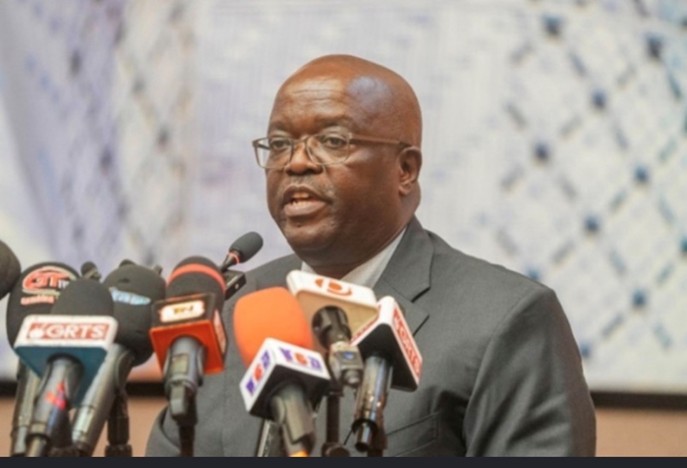
Mutahakana stressed that gender inequality is not only a social issue but also a major economic concern, noting that countries lose substantial productivity and growth when women are unable to participate fully in the economy. He said global evidence shows that closing gender gaps in education, health and employment can significantly increase economic growth and reduce poverty.
According to the World Bank representative, The Gambia ranks 172nd out of 190 countries on the UNDP Gender Inequality Index. Although girls now outperform boys in primary and lower-secondary school enrolment, women continue to face barriers in the labour market, earn significantly less than men and are largely concentrated in informal and low-productivity jobs.
He warned that challenges such as child marriage, early pregnancy, gender-based violence, unpaid care work and limited access to land and finance continue to suppress productivity and hinder economic progress.
“The Gambia’s future growth depends heavily on whether young women can access productive employment and contribute fully to national development,” he said.
The World Bank also used the occasion to launch The Gambia Public Finance Review, which outlines measures to improve revenue mobilisation, public spending efficiency and fiscal sustainability.
Mutahakana commended the government for increasing tax revenue from GMD7.1 billion in 2017 to GMD23.9 billion in 2025 through reforms and the digitalisation of tax administration. However, he noted that domestic revenue remains below levels required to finance the country’s growing development needs.
He further highlighted inefficiencies in public spending across key sectors, including education, health, transport and energy, arguing that stronger public financial management and better project implementation could create additional fiscal space for priority investments.
Despite recent progress, he said sizeable fiscal gaps remain and called for ambitious reforms to reduce revenue leakages, improve tax collection and ensure more effective use of public resources.
Mutahakana reaffirmed the World Bank Group’s commitment to supporting The Gambia’s reform agenda, including efforts aimed at strengthening women’s economic empowerment, improving domestic revenue mobilisation, expanding infrastructure and enhancing climate resilience. He added that the two reports launched would help guide future policy decisions and inform the preparation of the World Bank’s upcoming Country Partnership Framework for The Gambia.