Intersex community raises concern over new IOC athletes eligibility policy
THE intersex community across Africa has raised concern over the newly-introduced athlete eligibility policy by the International Olympic Committee (IOC). The African Intersex Movement (AIM) says the policy shift introduces sex-based requirements for participation in women’s sports, which may exclude intersex athletes and place their dignity, privacy, and bodily autonomy at risk. In a statement, […] The post Intersex community raises concern over new IOC athletes eligibility policy appeared first on NewZimbabwe.com.
 Black News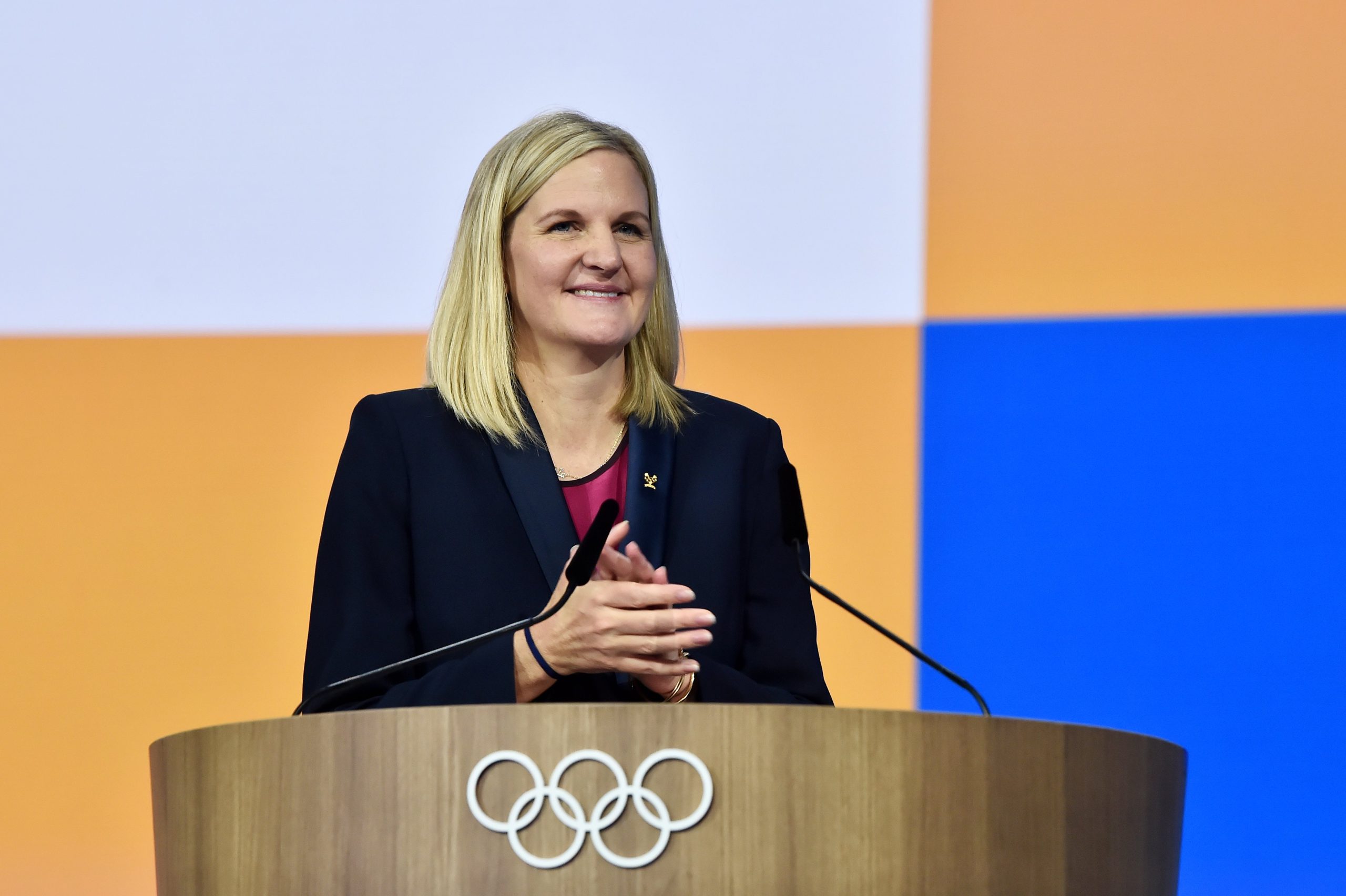
THE intersex community across Africa has raised concern over the newly-introduced athlete eligibility policy by the International Olympic Committee (IOC).
The African Intersex Movement (AIM) says the policy shift introduces sex-based requirements for participation in women’s sports, which may exclude intersex athletes and place their dignity, privacy, and bodily autonomy at risk.
In a statement, the AIM Board expressed serious concern over the newly released athlete eligibility policy by IOC led by Zimbabwean Kirsty Coventry as president.
“The policy introduces sex-based requirements for participation in women’s sports, which may exclude intersex athletes and place their dignity, privacy, and bodily autonomy at risk. Intersex people are part of the natural diversity of humanity, and policies that subject their bodies to heightened scrutiny reinforce stigma and discrimination rather than fairness,” AIM noted
“Athletes from Africa have historically been disproportionately affected by restrictive eligibility rules. The new IOC policy risks repeating this pattern, exposing African intersex athletes to exclusion, invasive testing, and public scrutiny. Such measures do not advance sport or fairness; they undermine human rights and perpetuate harm to communities that have long faced marginalization in sports and beyond.”
AIM called on the IOC and all sporting bodies to engage meaningfully with intersex communities and ensure that policies are grounded in human rights, scientific evidence, and respect for bodily autonomy.
“Intersex athletes deserve the same opportunity to compete with dignity, without unnecessary medical or gender scrutiny. Sports must be a space of inclusion and equality—not exclusion and stigma,” added the AIM Board.
The post Intersex community raises concern over new IOC athletes eligibility policy appeared first on NewZimbabwe.com.