Cultivating The Culture: Why Black-Owned Restaurant Patio Content Wins The Feed
A chic restaurant patio brings natural light, better ambiance, and easy content opportunities. See why outdoor dining moments are showing up on everyone's feed.
 Black News
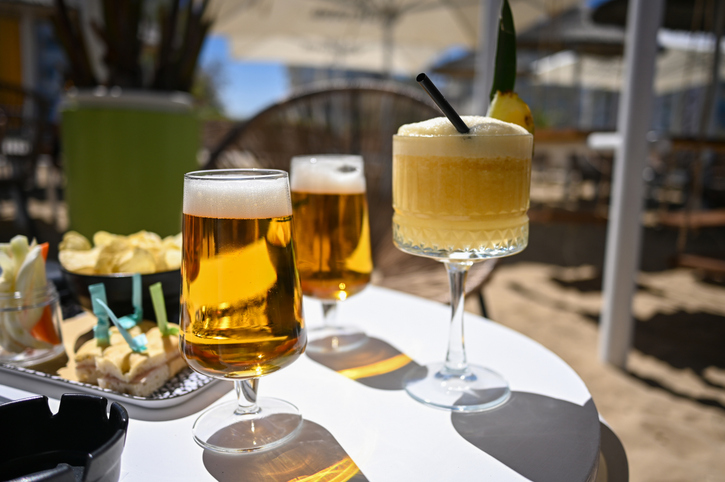
The most-shared dining content on social media right now almost always has one thing in common: it was shot outside. A beautiful restaurant patio, lush with greenery, warmed by natural light, and styled with intention doesn’t just feed people; it feeds the feed.
The outdoor space has become one of the most powerful marketing tools available for Black-owned restaurants looking to grow beyond foot traffic, and the ones getting it right keep showing up in saved posts and tagged stories across Instagram and TikTok.
According to Toast, 41% of diners specifically choose restaurants with outdoor seating, and 70% say they’d wait longer just for a patio table. That kind of preference doesn’t just happen by accident; it’s what great design and greenery create.
What Makes a Restaurant Patio Photogenic?
A photogenic restaurant patio is built around natural textures, layered greenery, and lighting that does something interesting at golden hour. The spaces that go viral aren’t necessarily the biggest or most expensive; they’re the ones where every detail looks like someone made a deliberate choice rather than just filling square footage. That intentionality translates directly into the kind of content guests create organically, which is the content that actually converts.
Social media now functions as a restaurant’s storefront. According to CropInk, 74% of diners use social media to decide where to eat, and 86% post about their meal when the food and setting look good. To Black restaurateurs who have historically had less access to traditional advertising budgets, this dynamic levels the playing field; a beautifully designed outdoor space does the marketing for you, one tagged post at a time.
The Role of Greenery in Patio Design
Plants change the entire atmosphere of an outdoor dining space. They soften harsh lines, add color, create privacy between tables, and make every photo taken on the patio look more considered. When guests see overflowing plant life on a patio, they feel like the owner sweated the details, which builds immediate trust.
Structured planters and window boxes are among the most versatile tools for adding greenery without overwhelming the space. A rectangular planter box positioned along a fence line stacked along a railing gives the patio definition while filling the frame of every photo taken against it. Herbs, trailing vines, and flowering plants all read beautifully in natural light and work in small patios just as effectively as in larger ones.
How Can I Make My Restaurant Patio More Attractive?
The restaurants winning on social media share a few design instincts worth copying: first, they identify a focal point, such as a mural, a feature wall, a statement planter arrangement, and build the layout around it. Guests find that focal point naturally and photograph it, which means every post replicates your best design moment. A single striking visual anchor does more for your content strategy than a hundred scattered decorations.
Lighting is the second variable that separates good patios from great ones. String lights strung at canopy height, uplighting on planters, and candles on tables extend the usable hours of the patio into the evening and create an entirely different atmosphere after dark; string lights also cost almost nothing relative to the visual impact they create. Evening patio content, like warm light, people laughing, and drinks on the table, consistently outperforms daytime content in engagement.
Seating That Invites People to Stay
The furniture you choose tells guests whether they should linger around or leave, as deep-cushioned chairs and benches signal that a longer stay is welcome. When it comes to Black-owned restaurants that want to cultivate community (which has always been central to how food culture works in Black communities), seating that encourages conversation matters. A patio where people stay two hours generates more organic content than one where they eat and go.
According to Superior Seating, guests no longer see dining outside as a seasonal perk. They see it as part of the brand experience, and restaurants that elevate that experience are thriving.
Does Outdoor Dining Increase Restaurant Revenue?
Outdoor seating directly adds revenue by expanding total covers: more tables mean more orders per shift. A restaurant that adds even a modest 10-table patio gains real capacity during peak seasons without the cost of building out additional interior square footage. The “curb appeal” also drives discovery: a packed, attractive patio visible from the street is essentially a live advertisement; passerby see people enjoying themselves outside and want in.
The social media multiplier makes the return even stronger. When customers photograph the patio and share it, they extend the restaurant’s reach to their entire network at zero cost. A well-designed restaurant patio effectively recruits new diners every time a guest posts a photo, and for Black-owned restaurants building community recognition, that kind of organic reach is hard to quantify.
Frequently Asked Questions
What plants work best for restaurant patio planters?
Durability and visual impact both matter. Tropical varieties like birds of paradise and elephant ears photograph well and hold up in warm weather. Boxwood shrubs and ornamental grasses add structure without much maintenance.
Herbs like rosemary and lavender add scent and can pull double duty in the kitchen. The key is choosing plants that flourish in your climate so they stay lush through the full growing season.
How Do I Design a Small Restaurant Patio?
Work with vertical space. When square footage is limited, stacking planters along a fence or railing, hanging plants overhead, and using narrow furniture all create a sense of depth without consuming much floor space.
A focused color palette, like one or two complementary tones, pulls a small patio together visually. Even a 200-square-foot outdoor space can feel curated and lush with the right greenery and lighting.
The Outdoor Space Is Your Brand Statement
A beautiful restaurant patio does more than add seating; it tells the story of who you are before a single dish hits the table. Investing in an outdoor space that’s lush, layered, and designed to be photographed pays back every time a guest posts a photo for Black-owned restaurants, building loyal communities. The vibe is the marketing.
Keep exploring everything this site has to offer, including style, culture, and food content worth saving.