Africa loses nearly $90bn annually to illicit financial flows as calls to tighten mining and tax laws deepen
Africa loses an estimated $89 billion annually to illicit financial flows, with experts warning that weak tax systems, profit shifting and opaque financial practices continue to drain resources needed for development across the continent.
 Black News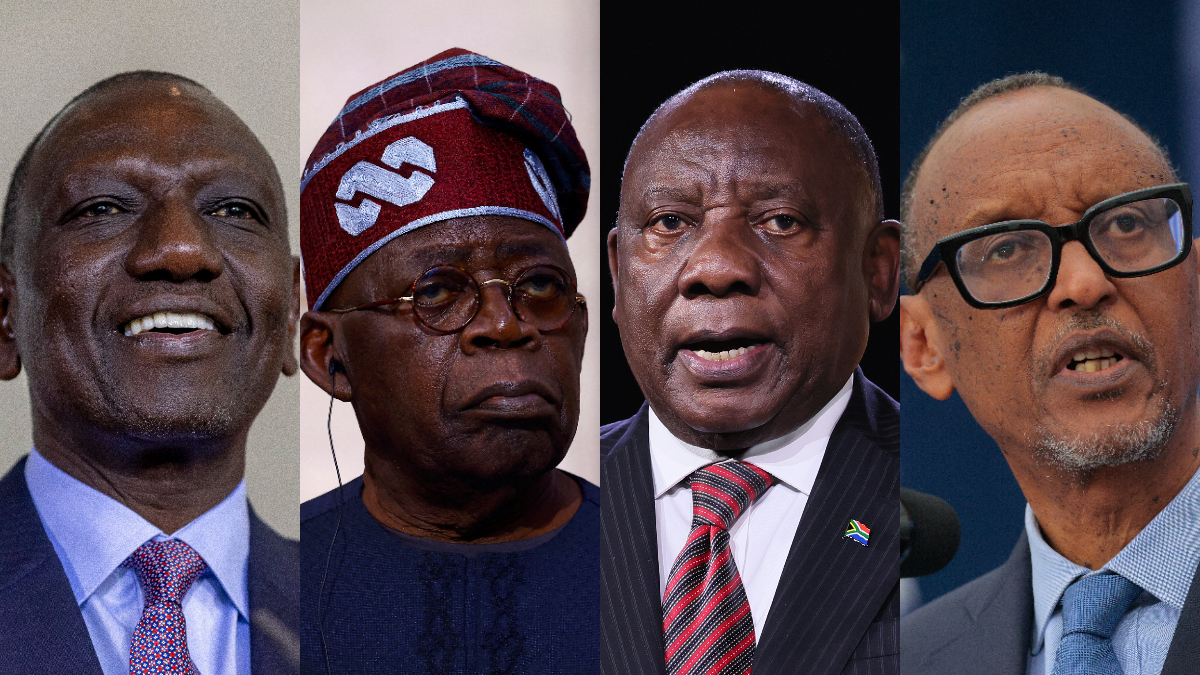
![L-R: Kenyan President William Ruto, Nigerian President Bola Tinubu, South Africa's Cyril Ramaphosa and Rwandan President Paul Kagame. [Chip Somodevilla, Maja Hitij, Jemal Countess and Sarah Meyssonnier/Getty Images]](https://ocdn.eu/pulscms/MDA_/289d778353db70d418f326895a47e5b2.jpg)
Africa loses an estimated $89 billion annually to illicit financial flows, with experts warning that weak tax systems, profit shifting and opaque financial practices continue to drain resources needed for development across the continent.
- Africa loses an estimated $89 billion every year to illicit financial flows driven largely by tax evasion, profit shifting and trade misinvoicing.
- Experts from WATAF and TJNA warned ECOWAS lawmakers that weak tax systems and loopholes continue to drain funds needed for development across the continent.
- The organisations called for stronger tax harmonisation, transparency measures and tougher oversight of multinational corporations and extractive industries.
- Lawmakers were also urged to adopt reforms that protect Africa’s taxing rights and improve domestic resource mobilisation across the region.
The warning came during an interactive session between experts from the West African Tax Administration Forum and Tax Justice Network Africa and lawmakers at the ongoing ECOWAS Parliament session in Abuja.
The discussions focused on tax harmonisation, domestic resource mobilisation, and strategies to reduce illicit financial flows (IFFs) across West Africa.
According to the experts, Africa also faces an annual domestic resource mobilisation gap of about $194 billion, limiting governments’ ability to fund infrastructure, healthcare and other public services.
They said commercially driven activities account for at least 65% of illicit financial flows from the continent. The practices identified include tax evasion, aggressive tax avoidance, trade misinvoicing and profit shifting by multinational corporations.
“These harmful tax practices haemorrhage the available resources that can be used for development of the continent,” the experts said, citing findings from a 2020 report.
![Delegates at the ongoing ECOWAS Parliamentary session in Abuja as lawmakers debate the possible return of Mali, Burkina Faso and Niger to the regional bloc amid rising concerns over insecurity, xenophobic attacks and regional integration. [X, formerly Twitter/ECOWAS Parliament]](https://ocdn.eu/pulscms/MDA_/551f80477bfca73504f50172afac0536.jpg)
The session formed part of broader discussions on operationalising ECOWAS tax directives to improve fiscal coordination among member states. Officials argued that inconsistent tax systems and weak regional cooperation have created loopholes that encourage smuggling, opacity, and revenue leakage.
“Tax harmonisation is the fiscal backbone of ECOWAS integration. Without it, the region will continue to lose revenue through loopholes, smuggling, opacity and profit shifting,” representatives from WATAF and TJNA told parliamentarians.
Dr Nita Belemaobgo said stronger regional cooperation and evidence-based policymaking could improve accountability and tax reform outcomes across the bloc.
She added that WATAF was supporting ECOWAS efforts to align tax directives and strengthen fiscal policy coordination among member states.
Meanwhile, Zandile Ndebele urged lawmakers to adopt legislation that ensures African citizens benefit more directly from the continent’s natural resources and tax revenues.
“It’s possible to introduce legislation for domestic beneficiation to gain more resources and revenues, apart from gaining from just taxes,” she said.
Another speaker, Solomon Adoga, called for tougher oversight of the mining sector through stronger extractive industry laws and closer scrutiny of tax incentives granted to companies.
“It’s important that Africa protects its taxing rights. We must look at where we are losing revenue as Africans,” Adoga said.
The experts also argued that efforts to tackle illicit financial flows should not depend on adopting a single regional currency. Instead, they said member states could cooperate through tax transparency measures, information sharing and digital reforms while maintaining separate currencies.
Countries including Nigeria, Ghana and the Ivory Coast were highlighted for advocating fairer allocation of tax rights and stronger regional tax cooperation.
WATAF’s Jonas Igwe said effective implementation would require “political commitment, institutional coordination, digital modernisation, sustained regional cooperation, monitoring and evaluation.”