Botswana makes bold global diamond move as lab-grown rivals threaten natural gems market
Botswana has taken a major step in its battle to protect the future of natural diamonds after joining the World Federation of Diamond Bourses (WFDB), as competition from synthetic gems intensifies across global markets.
 Black News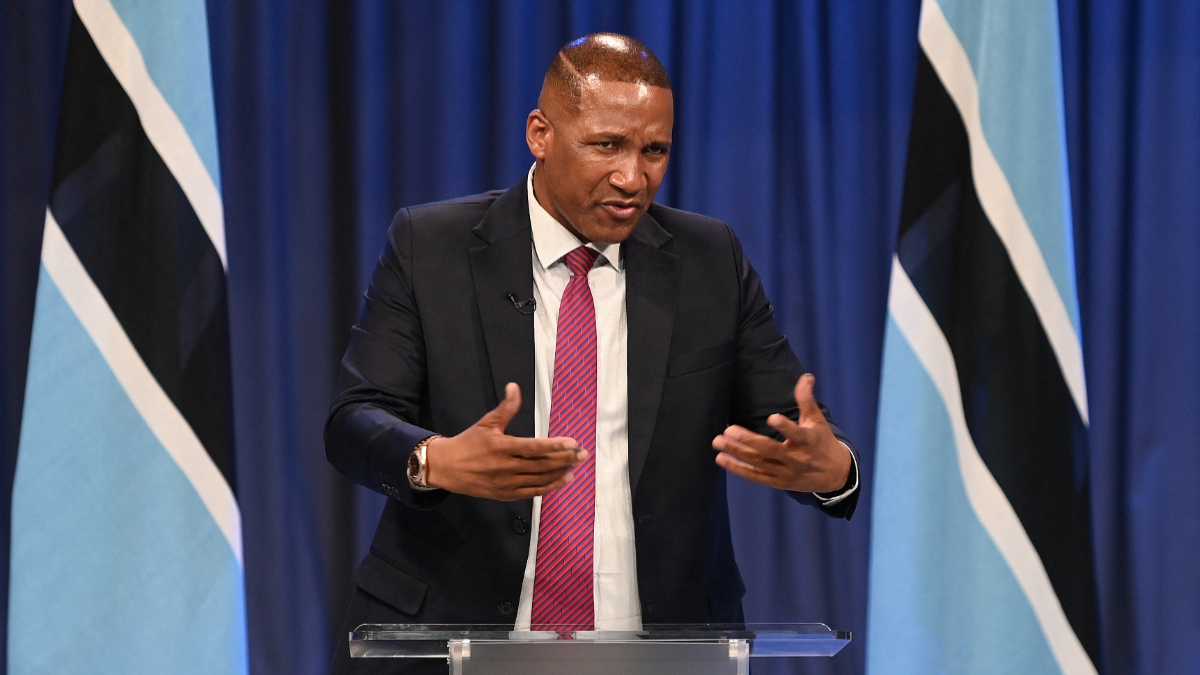
![Botswana's President Duma Boko. [Photo by Monirul Bhuiyan / AFP via Getty Images]](https://ocdn.eu/pulscms/MDA_/43a005a48ea38bf6b8b1ff9e3477277b.jpg)
Botswana has taken a major step in its battle to protect the future of natural diamonds after joining the World Federation of Diamond Bourses (WFDB), as competition from synthetic gems intensifies across global markets.
- Botswana has joined the World Federation of Diamond Bourses to strengthen its position in the global natural diamond market.
- The country is seeking to market its stones as ethically sourced “development diamonds” amid growing competition from synthetic alternatives.
- Officials say the affiliation could boost Botswana’s international reputation and deepen local participation in the diamond value chain.
- The move comes as natural diamond producers face mounting pressure from changing consumer preferences and the rapid expansion of lab-grown gems.
The southern African nation was officially admitted as an affiliated member of the global diamond-trading body during the WFDB International Summit held in Gaborone on Monday, May 18, 2026, a move that industry leaders say could strengthen Botswana’s push to dominate the market for ethically sourced natural diamonds.
Speaking at the summit, Botswana’s Minister of Minerals and Energy, Bogolo Kenewendo, said the country is no longer content with simply being one of the world’s largest diamond producers.
“For decades, Botswana has been a trusted source of the world’s finest natural diamonds. But our ambition now goes beyond mining, to bring the diamond industry home and deepen economic participation for Batswana,” she said.
Botswana remains the world’s leading producer of gem-quality diamonds, with the sector serving as a critical pillar of the country’s economy for decades. Diamond revenues have historically funded infrastructure projects, healthcare systems, education programmes, and other public services.
But the industry is facing mounting pressure from the rapid rise of lab-grown diamonds, shifting consumer tastes, and growing global scrutiny over ethical sourcing practices.
Against that backdrop, Botswana is increasingly positioning its stones as “development diamonds,” a branding strategy designed to convince consumers that buying natural diamonds from Botswana directly supports jobs, economic growth, and social development.
Kenewendo said Botswana’s diamonds are conflict-free and governed by strong regulatory institutions, adding that the country aims to become the global benchmark for trusted, responsibly sourced natural diamonds.
Officials from the World Federation of Diamond Bourses said Botswana’s entry into the federation comes at a crucial moment for the natural diamond industry, which is fighting to maintain market relevance amid growing competition from cheaper synthetic alternatives.
Industry stakeholders at the summit described the affiliation as more than symbolic, calling it a strategic effort to protect Botswana’s international reputation while expanding global marketing campaigns such as the government-backed House of Botswana initiative.
The move also signals Botswana’s broader ambition to capture more value from the diamond supply chain locally, rather than relying primarily on raw exports.
As the battle between natural and lab-grown diamonds intensifies globally, Botswana is betting that transparency, ethical sourcing, and national branding could help secure the long-term future of its most valuable resource.