Burkina Faso moves to reclaim mining wealth with new state-backed sovereign investment fund
Burkina Faso has taken a major step toward tightening control over its mineral wealth with the creation of a new sovereign mining investment fund designed to convert resource revenues into long-term national development.
 Black News

Burkina Faso has taken a major step toward tightening control over its mineral wealth with the creation of a new sovereign mining investment fund designed to convert resource revenues into long-term national development.
- Burkina Faso has created a new sovereign mining investment fund (FSMIB) to manage mineral revenues for national development.
- The fund will be financed by surplus revenues when global mineral prices surpass state-set benchmarks, focusing on long-term infrastructure and industrial projects.
- This initiative aims to strengthen the country's economic sovereignty and reduce dependence on external financing.
- The move comes amid ongoing tensions with foreign mining companies over increased state participation, higher taxes, and regulatory changes.
The Council of Ministers on Thursday adopted a decree establishing the Fonds souverain minier d'investissements du Burkina Faso (FSMIB), also named “Siniyan-Sigui.”
According to Ecofin Agency, the fund will function as a dedicated public investment vehicle, with its first projects expected from 2027.
According to Finance Minister Aboubakar Nacanabo, the mechanism will be financed through additional mining revenues generated when global mineral prices exceed benchmark thresholds set by the state.
Any surplus above these price levels will be redirected into strategic infrastructure and industrial projects rather than short-term budget support.
Authorities say the initiative is aimed at transforming Burkina Faso’s mining sector dominated by gold, into a stronger pillar of economic sovereignty.
The fund is also expected to support industrialisation, reduce reliance on external financing, and improve the country’s sovereign credit profile.
Strained relationship with foreign miners and regulatory pushback
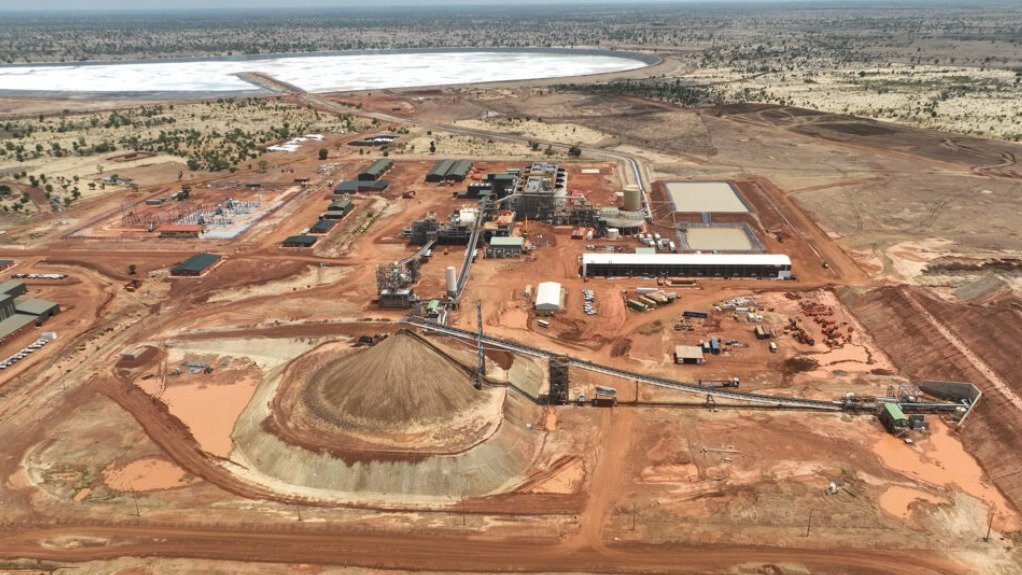
Burkina Faso’s renewed push to assert control over mining revenues comes against a backdrop of long-running tensions with foreign mining companies operating in the country.
Despite gold being the backbone of export earnings, successive governments have struggled to fully capture windfall gains during global price surges.
The country revised its mining code in recent years to increase state participation, raise taxes, and secure greater local benefits. However, implementation has often faced resistance from multinational operators, who have raised concerns over regulatory uncertainty, fiscal changes, and operational risks.
At the same time, enforcement has been complicated by broader instability in parts of the country, where security challenges have disrupted mining operations and reduced the state’s ability to consistently monitor sites and revenue flows.
Similar resource-nationalist reforms across the Sahel have reflected a wider regional shift toward economic sovereignty, as governments seek to reduce dependence on foreign firms in strategic extractive industries.
By ring-fencing surplus mining revenues into a sovereign fund, Burkina Faso is betting on a more disciplined approach to resource management, one aimed at turning cyclical commodity earnings into long-term development capital.