Is The Swag Era History’s Most Overlooked Aesthetic Rebellion?
It’s no secret that 2000s fashion has been in heavy rotation for some time now. According to Pinterest reports, Y2K styling trends have been dominating searches for several years, with […] The post Is The Swag Era History’s Most Overlooked Aesthetic Rebellion? appeared first on Essence.
 Black News

 Getty Images
  By Alexandra Jane ·Updated July 31, 2025 < /> Getting your Trinity Audio player ready…
 It’s no secret that 2000s fashion has been in heavy rotation for some time now. According to Pinterest reports, Y2K styling trends have been dominating searches for several years, with both Gen Z and millennials reaching backwards to reshape their closets. As we tend to think fondly of the moment >colorful aesthetics, graphic tees, butterfly clips, and trucker hats, somehow we collectively decided on where our nostalgic hearts had to draw a line in the fashion time capsule.
Between 2007 and 2009, we started to sense a shift towards styling that felt more wild, more risky, and sometimes downright obnoxious, bringing to mind trends that for whatever reasons have yet to resurface. So while the “Swag Era” might not be the first place you turn to (yet) for fashion inspiration, it does deserve a second look.
Even if your lime green leopard print skinnies and Obey tees are buried deep in the depths of your closet, stepping back through that threshold might uncover more than your old, tacky but favorite outfits. Believe it or not, there might be a deeper story here about youth, rebellion, and the cultural and political mood of the 2010s.
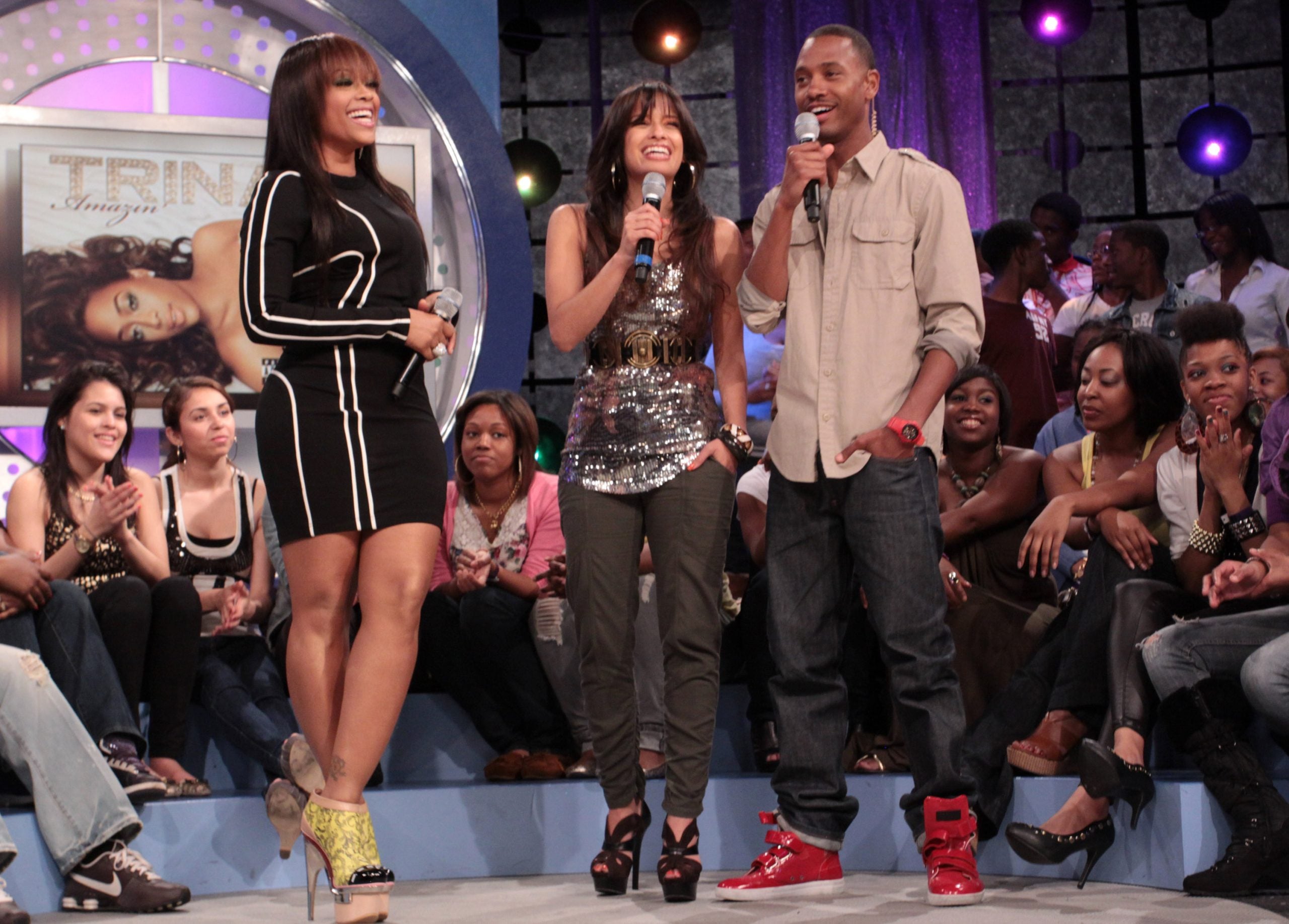 Trina visits BET’s “106 & Park” with hosts Rocsi and Terrence J. at BET Studios in May 2010 in New York City.Photo Credit: Johnny Nunez/WireImage
 As far as fashion history goes, the “Swag Era” is generally overlooked. Maybe it’s because not enough time has passed for critics to consider it worthy of deeper analysis. It could also be due to thesrc="https://www.essence.com/wp-content/uploads/2025/07/GettyImages-124741181-scaled.jpg" alt="Is The Swag Era History’s Most Overlooked Aesthetic Rebellion?" width="400" height="614" />Dimitrios Kambouris/WireImage
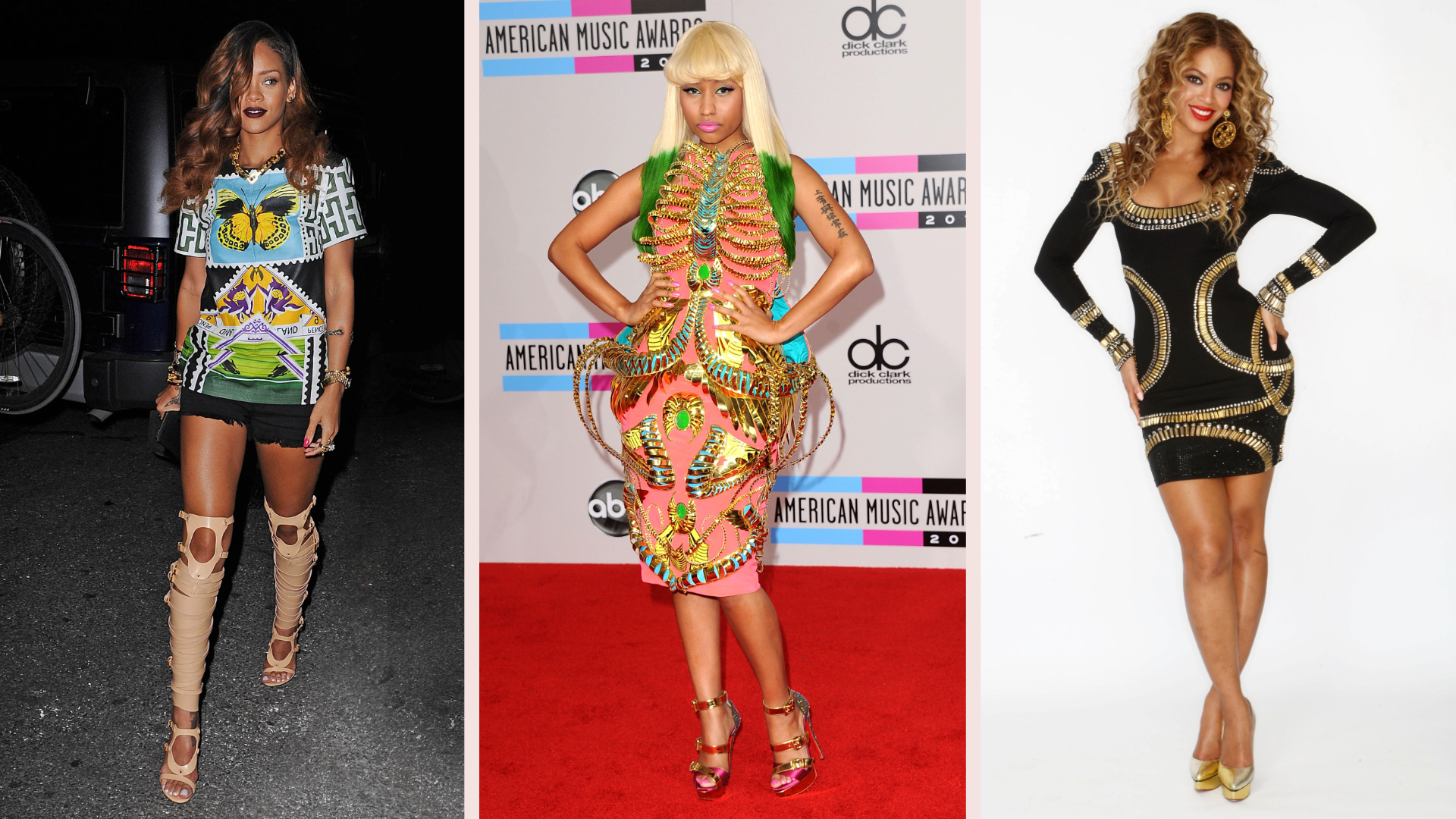
Most of you reading this will be able to place yourselves in the middle of your own memories. But if you can’t recall, (or have blocked out all memory of it), picture this: Nicki Minaj was at her peak with the release of “Pink Friday.” The entire Young Money crew was having a moment as Drake was also on the rise, and “YOLO” was the motto. Skinny jeans in every color and animal print were genderless and pinned to hips with studded belts.
Neon shutter shades were worn under wide-brimmed hats that read something like “I  My Haters” or something equally unhinged. The air smelled like Pink Sugar perfume or Axe–and ‘fit pics were uploaded to Tumblr daily, that is, until Instagram launched in October 2010 and locked us all in a Valencia-filtered chokehold. This was also the last era of intentional mall shopping, when entire looks came together at Charlotte Russe, Journeys, or Forever 21, no link exchange required.
In those days, there was no such thing as “quiet luxury.” Kids got dressed to be seen IRL and online as youth culture began adopting new technologies, and shaping new forms of media. Soulja Boy might blow a lot of smoke on the internet, but he is the very first rapper to go viral.
Platforms like YouTube were moving the dial-up generation into new territory and sharing music and fashion trends at faster speeds. As Soulja Boy and other artists were teaching dance routines on the then-unpolished streaming site, teens across the country were copying not just steps, but styling choices. Slightly reminiscent of the 1980s and the days of “Yo! MTV Raps,” youth-led media, was beginning to dictatedecoding="async" src="https://www.essence.com/wp-content/uploads/2025/07/GettyImages-96735356-scaled.jpg" alt="Is The Swag Era History’s Most Overlooked Aesthetic Rebellion?" width="400" height="580" /> Soulja Boy arrives to the Los Angeles premiere of Nickelodeon’s “School Gyrls” held at Six Flags Magic Mountain in February 2010 in Valencia, California.Photo Credit: Michael Tran/FilmMagic
From high school hallways to HBCU campuses and community college quads, “Swag Era” styling wasn’t confined to one corner of youth culture. It moved across age brackets by trickling upward, a reversal of the usual top-down, celebrity-driven trends. Teens sparked the aesthetic, part skater, part punk, part hip hop star, which college kids soon remixed by layering streetwear with campus-specific staples.
Even postgrads, navigating early adulthood in a shifting economic landscape, leaned into the aesthetic, dressing with a kind of defiant playfulness that pushed back against the pressure to look older. Just as “Yo! MTV Raps” and the rise of streetwear in the 1980s were deeply entangled with the politics left behind by Reaganomics and rising youth disenfranchisement. The “Swag Era” emerged in the wake of a different, but equally sobering reality. The hope-and-change promises of the Obama administration were beginning to dim. The recession had gutted job prospects for college graduates and cast a long shadow over the future.
For many young people, especially Black and brown youth, the loud, clashing outfits, two-toned hair, and “Jersey Shore” >loan debt ballooning, job prospects scarce, and the gig economy just beginning to take shape, a new generation of early twenty-somethings found themselves staring down the barrel of a single choice: struggle, or move back home. The term “failure to launch” became shorthand for stalled adulthood, with tens of thousands of young adults boomeranging back to their childhood bedrooms and piecing together multiple part-time gigs to survive.
But this had little to do with laziness or lack of ambition; it was about structural instability. These were the kids who had done everything by the book: they’d earned the degree while trying to dress the part. Many of them had swallowed the myth of meritocracy whole. And still, they ended up locked out of the very stability they’d been promised.
In that landscape, the expressive freedom of “Swag Era” styling became a kind of refusal. Why dress for a future that has already failed them? Instead, many leaned into a loud, cartoonish, deliberately childish aesthetic. Sesame Street and other character-inspired backpacks, Hello Kitty headphones, marijuana leaf printed high socks, and neon-colored accessories pulled straight from Party City shelves. It was more than a trend; it was satire in motion. A cheeky, exaggerated rejection of the adult world’s seriousness, its grind, its failure to deliver.
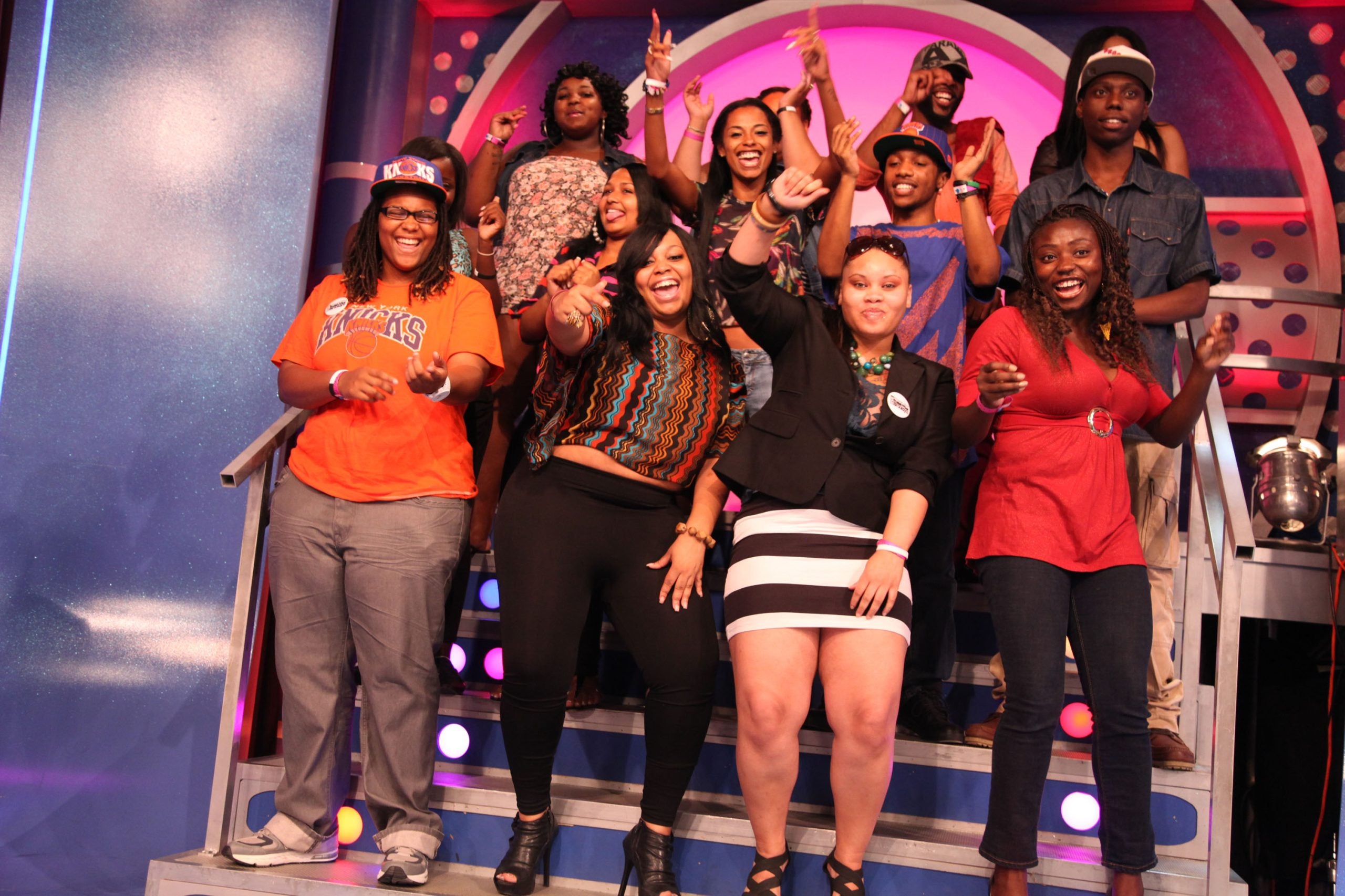 A general view of the audience at BET’s “106 & Park” at BET Studios in August 2012 in New York City.Photo Credit: Johnny Nunez/WireImage
 If growing up only led to debt and disappointment, why not stay suspended in a version of youth that felt more honest, more expressive, and frankly, more fun? After all, it’s hard to Cat Daddy in business casual! For clubbing, the privileged few who lived throughout this era would activate high and low styling, pairing Christian Louboutin heels alongside Forever 21 bandage dresses. Sky-high Jeffrey Campbell platform shoes or outlandish Giuseppe Zanotti heels and flimsy, multi-patterned Charlotte Russe dresses also hung in the closets of many millennials. Even amid bleak economic conditions, clubgoers of the era made it clear that the party didn’t stop just because the system was broken.
Of course, millennials weren’t the first generation to dress against the grain. Aesthetic rebellion has long served as both a mirror and a megaphone for marginalized youth. In an email, social impact strategist and fashion aficionado Virginia Cumberbatch shared that our resistance has always been stylized: “Ourdecoding="async" src="https://www.essence.com/wp-content/uploads/2025/07/GettyImages-514678652-scaled.jpg" alt="Is The Swag Era History’s Most Overlooked Aesthetic Rebellion?" width="400" height="502" />Walker Roberts, 12, Henry Campbell, 14, and Morris Jackson, 13, show off their new “zoot suits” in August 1943. Photo Credit: Getty Images
Like the zoot suit generation before them, “Swag Era”decoding="async" src="https://www.essence.com/wp-content/uploads/2025/07/GettyImages-127628788-scaled.jpg" alt="Is The Swag Era History’s Most Overlooked Aesthetic Rebellion?" width="400" height="276" />Chrissy Lampkin and Emily Bustamante attend vh1’s “Love & Hip Hop” New York premiere in March 2011 in New York City. Photo Credit: Johnny Nunez/WireImage
So, is the “Swag Era” making a comeback? Not exactly, or at least not in full. Historical data suggests that fashion trends used to resurface in cycles of about 20 years, which means we’re just now entering a period ripe for revival. But while the word “swag” is reappearing in headlines and hashtags, its spirit hasn’t quite returned.
Justin Bieber’s recent album, ironically titled “Swag,” leans toward barren, beige, and black-and-white aesthetics or the minimal, moody, and stripped of the accessories and attitude that once defined the era. It’s a curious nod if anything, more ghost than homage. And so maybe the world isn’t done with quiet luxury and soft palettes. Even so, the memory of the “Swag Era” still lingers like a flickering neon sign outside a long-shuttered club, buzzing with restless energy. A reminder thatrel="tag">fashion trends
The post Is The Swag Era History’s Most Overlooked Aesthetic Rebellion? appeared first on Essence.