Meet George Monger, The Music Executive Putting Independent Artists First
Connect Music is a data-driven music and technology company that is using artificial intelligence to empower independent artists and labels in the Southeast, providing them with the infrastructure and financial support to create marketing budgets and promotional efforts. The post Meet George Monger, The Music Executive Putting Independent Artists First appeared first on The Atlanta Voice.
 Black News


By Laura Nwogu
George Monger is the CEO and President of Connect Music, a data-driven music and technology company focused on empowering independent artists and labels in the Southeast. The Atlanta Voice sat down with Monger to discuss how he’s using artificial intelligence to advance this goal, his artist-first approach, and the importance of creating opportunities for independent artists in the South.
The Atlanta Voice: How did your journey as CEO of Connect Music begin, and why did you want to get into the music industry?
George Monger: “I’ve been interested in music since I was a kid. My brother’s a classical opera singer, and my sister played in a band. I had no musical talent at all. I drummed loosely. Through that, I developed a passion for music, watching the growth of No Limit, Cash Money, and all those record companies in the mid-late 90s. From there, I was putting on rap battles in the school hallways, and as I graduated high school in 2007, I saw YouTube really take off. I convinced another company to give me a distribution deal with just a letter. I would have never given it to me (laughs).
“That sparked a curiosity for me. From there, I worked in nonprofit music, served as chief operating officer of the Memphis Symphony Orchestra for a while, and then said, ‘Alright, let me go back to for-profit.’ I worked for a local company in Memphis, and after 4 years, they decided it was best for us to part ways. By the end of that week, I realized it was an opportunity for me to build the tech. I knew how to get that done and how to secure direct relationships with the streaming partners. We started with the slow grind. It was artists who might do 3,000 or 4,000 streams a week, but we were really just building out how the business was going to operate. It was one success after another, when I really sat back and said, ‘Oh, this is real. I should raise capital, hire staff, and grow the business.’ It really honed in on the business’s value proposition for independent artists.

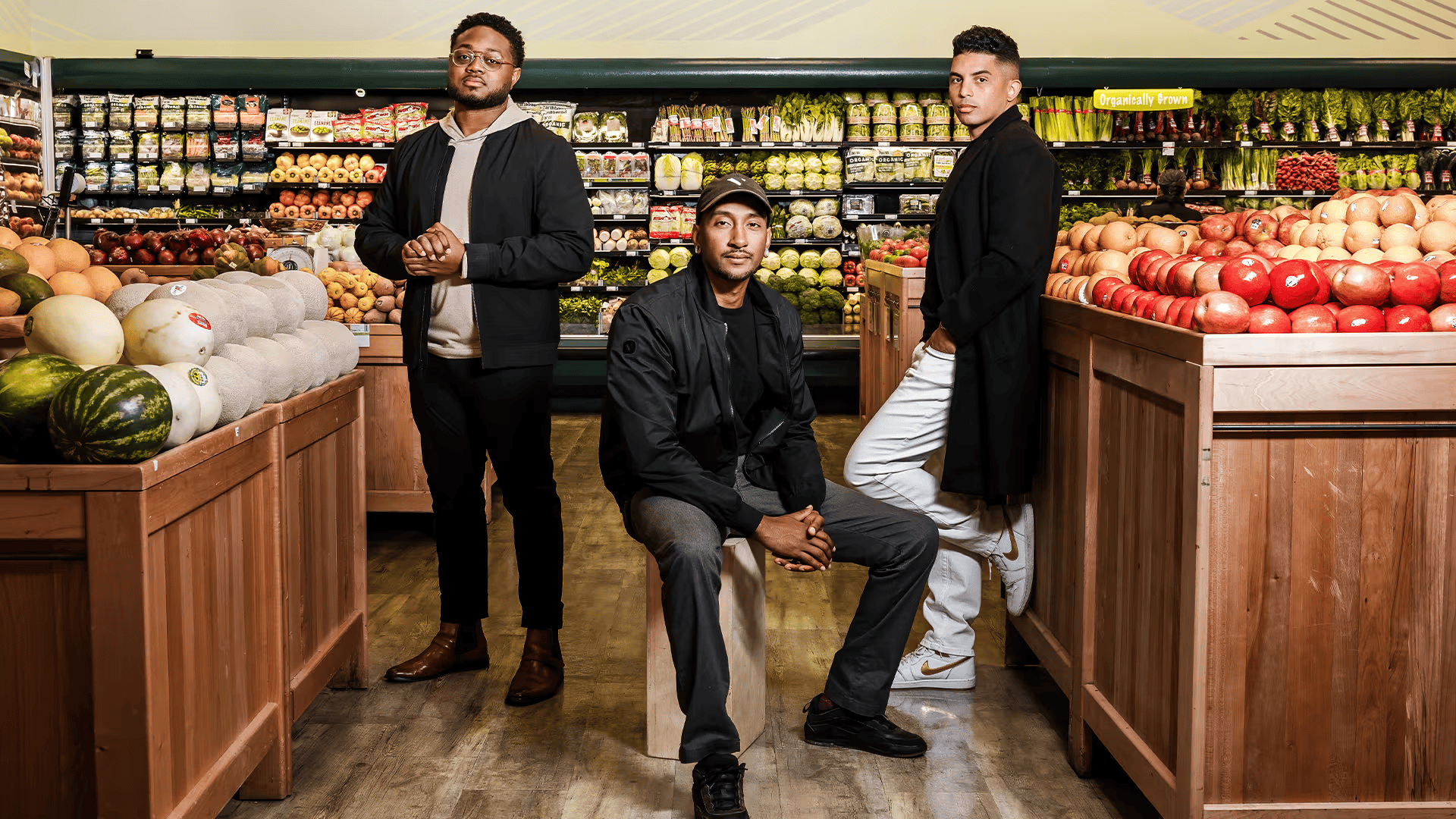
Photo by Tabius McCoy/The Atlanta Voice
AV: I’m going to come back to that artist-first approach that Connect Music has, but let’s say we have an up-and-coming independent artist with us, and they hear about Connect Music. How would you explain what the company could do for them and their careers?
GM: “Connect Music is a closed platform system, and candidly, we don’t work with everybody. The continuum is sort of do-it-yourself. We partner with them, adding education to the mix as we help them grow. We have one artist from Memphis. He was making $500 a month. Today, he generates about $4,000 a month, and he’s still very early in his career, but that’s right at $50,000 a year from something that he continues to get better at. The other side of the continuum where we work is artists who are coming out of major labels. What happens is now they have this fame, but they don’t have the infrastructure. So, we work with them from a label services perspective to make sure they have all the infrastructure you could get inside of a major label system, and we make sure we can advance capital to them to create marketing budgets and promotional efforts. That is the value-add in that middle tier for artists.”
AV: You recently announced $80 million in new financing, which is an amazing feat. What does that mean for you to see that investment in Connect music and what you’re building?
GM: “It’s further validation for what we see from the artists already. We don’t spend money on marketing the business. We work closely with our artists, and our artists bring other artists to us. It’s validation when institutional capital looks at the business, and we’re able to put more capital into more staff, more talent, more technology to support the creators. And most importantly, we’re able to put more capital in these artists’ pockets. We don’t look to acquire ownership in music, but there are opportunities where an artist says, I’ve worked with this catalog, I want to sell it. That empowers us and enables us to deploy more capital to acquire those assets or create unique revenue opportunities with those artists.
“It was a real shot in the arm for the business to continue to grow and be based in the South.
AV: The South got something to say.
GM: “The South got something to say.”
AV: Artists retaining ownership of their masters is a rare gift, as we’ve seen throughout the years and decades with a bunch of different artists. And Connect Music has this artist-first approach. How were you able to build that from the ground up?
GM: “Artist first for me is very simple. There is no song without the songwriter. There’s no sound recording without the artist. Why should they be put in a position to have to give up those rights in perpetuity for dollars today? There’s too much capital. Music is an asset. We can monetize these assets. We can track its performance. As companies, we can help you recognize how to maximize collection, and so because of that, there’s no reason that business wins and creativity loses. It should be a win-win.”
AV: Connect Music marries tech, finance, and music together. I know some artists can be wary of AI, but does Connect use AI to elevate and benefit artists?
GM: “That’s a fantastic question. Number one, if you don’t like change, you’re gonna hate extinction. As an industry, we have experienced that before. The music industry experienced declines in physical CD sales, piracy, and other factors. Then we saw the fear related to streaming in the early days. And so with AI, there are two parts to it, and I think one of them that is most concerning to artists is the generative AI — write me a song that sounds like this artist and in this genre. There are tiers to what generative AI is. If we’re going to allow you to train your models on music, copyright sound recordings, and publishing the words and melody, we need to make sure you have a way to track that, with some sort of revenue-sharing structure. And as things refine, there needs to be more attribution rights to know this came directly from you, so that we can create a residual revenue stream from the usage and creation of those assets. And that’s where I see a lot of collaboration and opportunity as we continue to have these conversations with these third parties.”
AV: “Years from now, what do you hope people say about the impact that Connect Music has had on the music industry.
GM: “In the next 5 to 10 years, it’s really about impact. That’s what it’s about for us. How have we impacted hip hop and R&B today? Hopefully, it’s across multiple genres. But most importantly, we’ve made sure that artists have been able to change the trajectory of their lives. That’s what’s important for me.”
The post Meet George Monger, The Music Executive Putting Independent Artists First appeared first on The Atlanta Voice.