Morocco adds $2 billion to budget as middle east conflict fuels energy risks
Morocco is preparing a major increase in public spending as the fallout from the conflict in the Middle East raises fears of fresh energy and inflation pressures across import-dependent economies.
 Black News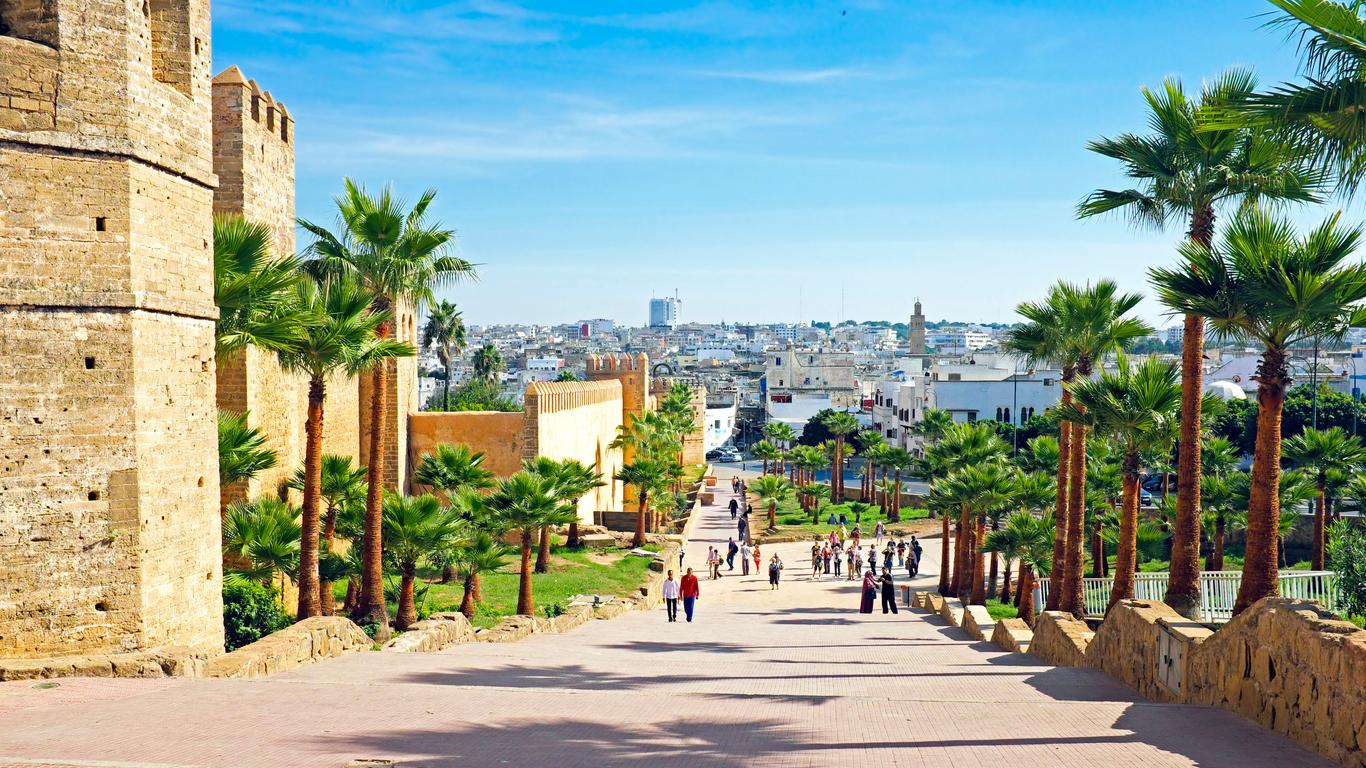

Morocco is preparing a major increase in public spending as the fallout from the conflict in the Middle East raises fears of fresh energy and inflation pressures across import-dependent economies.
- Morocco plans to add $2 billion to its 2026 budget to limit the impact of Middle East-related energy shocks.
- The country will continue subsidising cooking gas, electricity and public transport.
- Morocco remains highly exposed to global oil market volatility because it imports most of its fuel needs.
- Strong rainfall and improved agriculture are expected to support faster economic growth this year.
The government plans to add 20 billion dirhams ($2 billion) to its 2026 budget to help stabilise domestic prices, protect household purchasing power and respond to broader economic risks tied to global instability, according to a government source cited by Reuters.
Government spokesperson Mustapha Baitas said the additional funding would be used to maintain support measures for cooking gas, electricity and public transport, sectors that are highly sensitive to swings in global fuel prices.
The announcement comes at a delicate moment for Morocco, which imports nearly all of its energy needs and lacks domestic oil refining capacity after the closure of the Samir refinery years ago.
That dependence has left the North African country vulnerable to external shocks whenever oil and gas markets tighten.
Global energy markets have become increasingly volatile since the escalation of conflict in the Middle East, a region that remains central to global crude exports and shipping routes.
Higher insurance costs, supply concerns and uncertainty around maritime trade corridors have pushed many energy-importing countries to reassess subsidy burdens and emergency spending plans.
For Morocco, the challenge is particularly significant because the government has spent years trying to contain inflation without triggering wider social pressure.
Authorities have continued subsidising key consumer sectors even as many countries moved to reduce energy support programmes after the post-pandemic commodity surge.
Budget Minister Fouzi Lekjaa said recently that measures aimed at stabilising electricity tariffs and public transport prices cost roughly 648 million dirhams ($70.6 million) every month.
Part of the new allocation will also be directed toward recovery efforts after heavy floods struck northern Morocco earlier this year, damaging roads, homes and local infrastructure in several areas.
Despite the added spending pressure, Rabat still expects economic growth to strengthen this year to 5.3%, up from 4.6% previously, helped largely by a rebound in agriculture following abundant rainfall.
The improvement marks a sharp turnaround after years of drought that weakened harvests, strained rural incomes and forced Morocco to increase food imports.
Agriculture remains a critical employer in the country and a key driver of domestic demand.
Officials also expect the fiscal deficit to narrow to 3% of gross domestic product while government debt is forecast to ease to around 66% of GDP, reflecting confidence that stronger tax revenues and economic activity will offset part of the additional spending.
Morocco has increasingly marketed itself as a regional industrial and renewable energy hub, attracting investment into automotive manufacturing, aerospace and green hydrogen projects.
But economists say the country’s reliance on imported fuel continues to expose it to geopolitical shocks beyond its control.
The latest budget adjustment underscores how governments across Africa and other developing economies are increasingly being forced to balance fiscal discipline with the political need to shield consumers from global crises.