Nasan ‘forces’ clients into prepaid contracts
Nasan Energies will require upfront payments for fuel from the 52 service stations it bought from Vivo Energy, fuelling speculation that the company does not have the cash flow to afford normal operations. This is according to some of the 52 service stations who spoke to The Namibian on condition of anonymity. The sale of […] The post Nasan ‘forces’ clients into prepaid contracts appeared first on The Namibian.
 Black News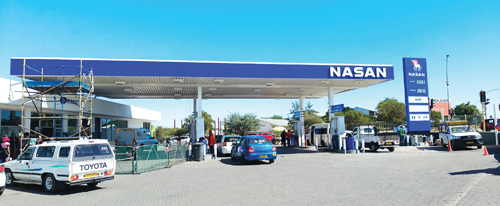
Nasan Energies will require upfront payments for fuel from the 52 service stations it bought from Vivo Energy, fuelling speculation that the company does not have the cash flow to afford normal operations.
This is according to some of the 52 service stations who spoke to The Namibian on condition of anonymity.
The sale of the service stations to Nasan from Vivo was finalised last Wednesday.
According to a letter from Vivo sent to the affected fuel dealers on 21 May, Nasan would take over responsibility for the fuel stations, including the supply of fuel.
“With effect from 27 May 2026, Vivo Energy and Engen will no longer supply any of the divestment sites.
All transactional, operational, and legal dealings relating to dealers and retailers shall continue directly with Nasan,” Vivo says in the letter.
When retailers contacted Nasan Energies to place their orders for fuel, they were told they had to pay upfront.
“They told us [the dealers] they don’t have any cash flow to provide the dealers with fuel.
We have to take our own money, pay for fuel to Nasan, and then Nasan will buy the fuel. They used their money to buy the service stations, but they don’t have operational capital,” one retailer says.
Retailers usually pay for fuel after it has been delivered.
Although they were told that operations would continue under the same agreements and conditions as with Vivo, the contracts received from Nasan were different.
‘RUNNING DRY’
“They gave us a one-page contract with your account details they created for you at Nasan.
Your account is the same as it was at Vivo, but the description of the account is not the same. I now have to pay upfront,” one retailer says.
The retailer still has supply for a few days and has decided not to order new fuel until he receives clarity from Nasan.
“They did give me the quote on the fuel I ordered, but I did not pay. We can leave it until we’ve discussed the contract.
A couple of the other service stations told me they did the payments, but will be running dry this weekend,” the retailer says.
Another fuel retailer says he had to borrow money in order to pay for the fuel upfront, due to concerns that he would otherwise run dry over the weekend.
Fuel and Franchise Association of Namibia (Fafa) chairperson Michael Ludeke last week confirmed to The Namibian that he had heard similar reports from affected retailers and intends to ask the government for clarity.
Fuel retailers have also said communication with Nasan Energies has been extremely poor.
‘POOR COMMUNICATION’
Fafa last week sent a letter to the Ministry of Industries, Mines and Energy requesting an additional 60 days for the transfer of service stations, saying Nasan’s lack of communication was causing confusion.
“The substantive operational and contractual details of the transition from Vivo Energy and Engen Namibia to Nasan were not, as at the date of this letter, communicated to the affected retailers in any meaningful form,” Ludeke says in his letter dated 22 May.
After the approval of the sale was announced, the only communication the affected service stations received was a letter from Vivo telling them to settle their accounts and communicate with Nasan Energy.
“The practical effect of that notification is that the affected retailers are required, on six days’ written notice, to terminate their commercial dealings with their existing wholesaler, to settle their accounts, to dismantle their fuel-card facilities and to commence trading with a new wholesaler on terms that have not been finalised,” Ludeke says.
He adds: “An abrupt, unmanaged change of supplier on the present timetable carries material risks of business interruption, fuel-supply disruption to consumers, employee uncertainty, financial loss to retailers, and, in the worst case, the temporary or permanent closure of sites that have operated under the Shell or Engen brands for many years.”
Service stations have told The Namibian they have been struggling to get hold of Nasan, and only managed an online meeting with the company last Wednesday.
“In this business, there should be communication. It’s not like I’m trying to sell chocolates – it’s fuel I’m selling. It’s quite an important product, so the communication should be excellent,” one retailer says.
Nasan Energies managing director Jean-Blaise Ollomo yesterday said: “Nasan is well underway with its rebranding and full implementation of its operations and will share further updates as we develop.
“Internal queries remain internal and we are engaged with all suppliers.”
The post Nasan ‘forces’ clients into prepaid contracts appeared first on The Namibian.