Natural Sun Tan Vs. Self-Tanner: Which Is Better?
A natural sun tan comes from UV exposure, while self-tanner colors the top layer of skin without needing the sun. Keep reading to compare both options. The post Natural Sun Tan Vs. Self-Tanner: Which Is Better? appeared first on MadameNoire.
 Black News
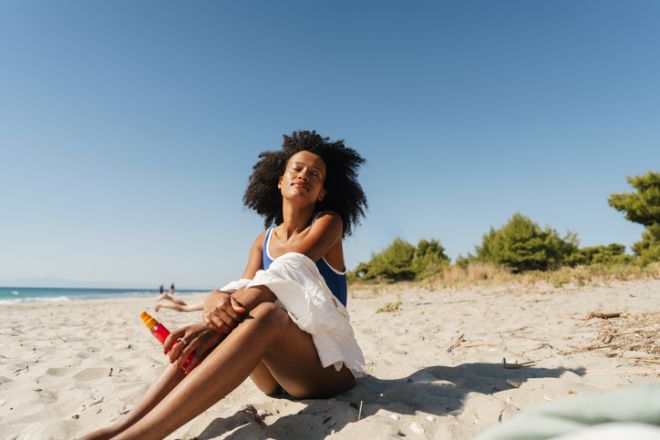
A sun tan isn’t something for Black people to avoid just because of melanin. Recent online trends show more Black influencers with great self-tanning results. Safely sun-kissed dark skin can literally glow, but requires protection from UV exposure. You can safely achieve that effect with a natural self-tanner that doesn’t harm the skin’s top layer; it simply colors it.
Melanoma accounts for as many as 80% of skin cancer deaths despite only being diagnosed in 4% of skin cancer cases, per Stanford Healthcare. These health statistics show that people should enjoy the sun cautiously, especially if they have a family history, sensitive skin, and/or an increased number of moles.
No, Black people aren’t immune to skin cancer, so understand your risk and see what tanning option is best for your needs and medical history.
RELATED CONTENT: Only 1 In 4 Sunscreens Are Safe—Here’s What Every Black Woman Should Know Before She Buys
How Does a Natural Sun Tan Differ from a Professional Spray Tan?
A natural tan is produced when UV rays stimulate melanin production. This option usually lasts longer as it’s part of your skin’s structure and waits for cell turnover to fade. However, it comes with a risk of sun damage and uneven tan lines.
On the other hand, a professional spray tan provides an instant, customized glow all over your body without the obvious tan lines. Spray tan works by using DHA to stain your upper skin layer safely, and the results last for about 7 to 10 days.
Which One Is Safer?
The CDC reports that skin cancer costs employers over $100 million annually due to restricted activity or work absence. Being in the sun can feel great, but too much can put you at risk of skin cancer and other damage, such as sunspots and wrinkles.
When it comes to safety, spray tan is the winner over a natural one since there’s no UV radiation exposure.
The post Natural Sun Tan Vs. Self-Tanner: Which Is Better? appeared first on MadameNoire.