Women Are Driving Major Changes in Digital Entertainment
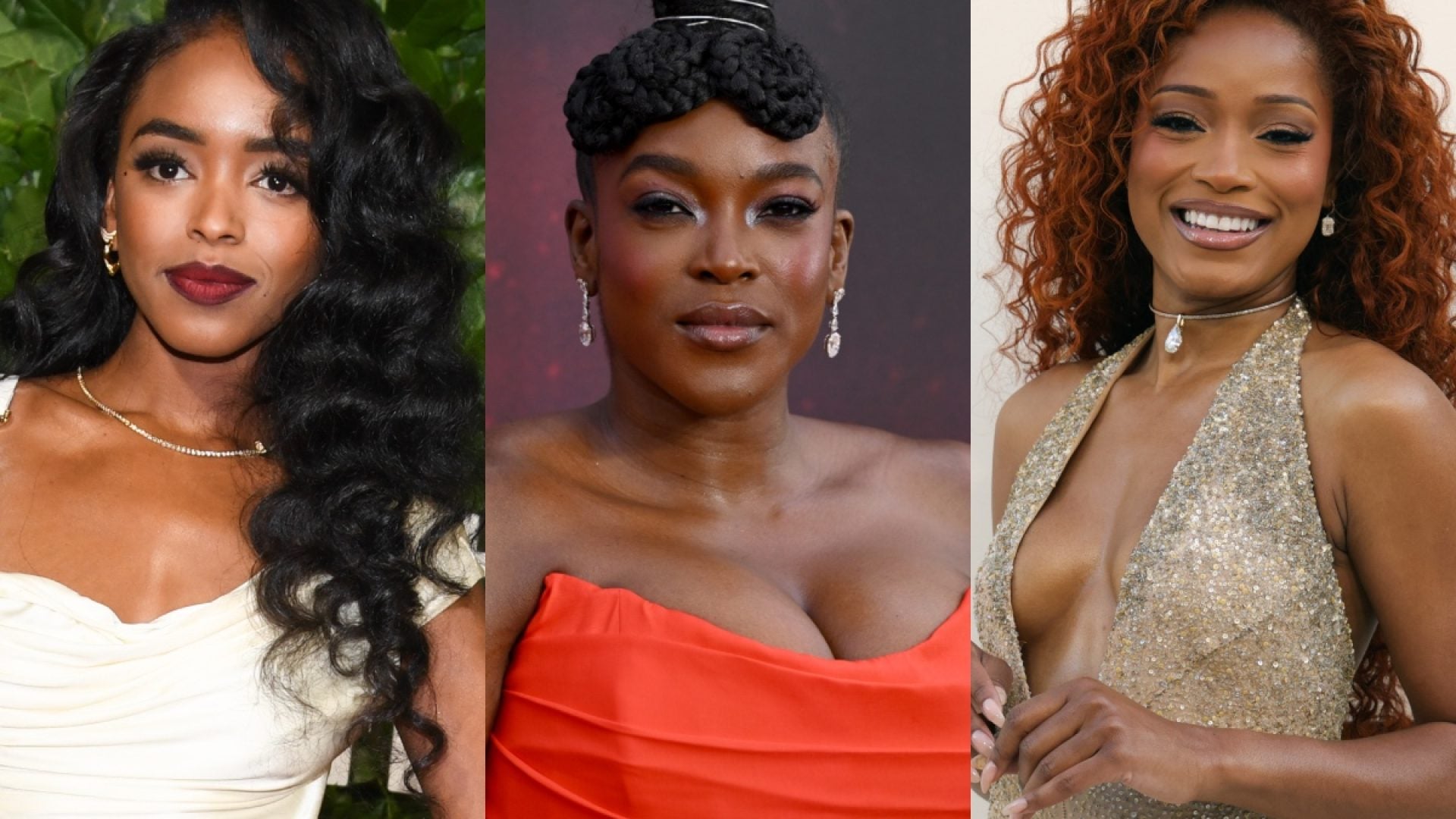
Something is happening across the digital entertainment landscape, and it’s impossible to ignore. Women aren’t just showing up anymore. They’re reshaping the entire conversation, like the content being created to the platforms gaining traction or the way audiences connect with each other online. And honestly? It’s been a long time coming. The Numbers Tell a…
 Black News
Something is happening across the digital entertainment landscape, and it’s impossible to ignore. Women aren’t just showing up anymore. They’re reshaping the entire conversation, like the content being created to the platforms gaining traction or the way audiences connect with each other online.
And honestly? It’s been a long time coming.
The Numbers Tell a Story
Let’s start with what the data says, because it’s pretty striking. Women now account for 36% of television creators working on streaming platforms during the 2024-2025 season. That’s an all-time high, and a significant jump from 27% just one year earlier. Behind the camera, 32% of directors on streaming projects are women, up from 23% the previous season. These aren’t small gains. They represent a fundamental shift in who gets to tell stories and how those stories reach us.
But it goes beyond film and TV. The podcasting space is seeing a similar wave. Women-hosted podcasts have been steadily climbing in influence, even though they still represent only about 35.9% of the top 100 shows. The gap is narrowing, though, and the momentum feels real. With video-first podcasting becoming the standard on platforms like YouTube and Spotify, women creators are building visual brands and loyal communities that didn’t exist five years ago.
Gaming Got a Whole Lot More Interesting
Here’s where things get really fun. Gaming, once stereotyped as a male-dominated hobby, has quietly become one of the most balanced entertainment spaces out there. One clear example of this shift is the rise of social casino games, which appeal to a broad and increasingly gender-diverse audience. The social casino market alone was valued at over $9 billion in 2025 and continues to grow rapidly. What’s fascinating is the demographic breakdown. The user base splits almost evenly between men and women, with women actually spending slightly more time per day in social casino gameplay, around 17.8 minutes compared to 17.2 for men.
Casual games tell an even clearer story. Women make up over 60% of casual game players globally. That’s not a niche. That’s a majority. And game developers are paying attention, designing experiences that emphasize community, creativity, and social interaction alongside traditional gameplay mechanics.
One newer entry that captures this shift well is Big Pirate Social Casino Games, which launched in late 2025 with a massive library of over 2,800 games. It’s the kind of experience that feels more like a world to explore than a simple slot lobby, and that emphasis on story and social competition resonates with how many women approach gaming today.
Streaming, Creating, and Owning the Conversation
On Twitch, nearly 40% of new accounts now follow at least one female creator. That statistic alone tells you where the audience is headed. Women streamers aren’t just participating in gaming culture. They’re building communities centered around creative collaboration and authentic connection. Brands have caught on, too. Long-term partnerships with female creators are replacing the old model of one-off sponsorships because audiences trust consistency over flash.
The influencer economy paints a similar picture, where female creators are expanding beyond content into commerce: launching businesses, hosting podcasts, writing books, and transforming personal brands into genuine enterprises. The top female influencers of 2026 aren’t just getting likes. They’re shaping cultural conversations around wellness, finance, equality, and self-expression.
Why Entertainment Is Getting More Personal
There’s a broader trend happening underneath all of this. Digital entertainment is becoming less about passive consumption and more about personal experience. Streaming services are investing in personalization algorithms. Social platforms are rewarding authenticity over polish. And audiences, especially women, are gravitating toward content and communities where they feel seen.
The creator economy is projected to keep expanding, and women are positioned right at the center of it. The common thread is connection. People want to feel something when they engage with entertainment, not just watch the clock tick by.
What This Means Going Forward
The shift isn’t temporary. When you look at the investment flowing into mobile gaming, the growth of creator-led media, and the increasing representation of women behind the scenes in every corner of digital entertainment, a pattern emerges. Women aren’t just consuming content anymore. They’re creating it, funding it, leading it, and demanding that it reflect their experiences.
For anyone paying attention, the message is clear. The future of digital entertainment won’t be shaped by a single demographic or platform. It will be shaped by the voices that have been steadily growing louder, the communities that refuse to be afterthoughts, and the creators who understand that the best entertainment has always been about making people feel like they belong.