9 African countries remain under the U.S. “Do Not Travel” warning in May 2026 update
Several African countries continue to feature on the highest level of travel risk issued by the United States, with the latest May 2026 update maintaining a Level 4 “Do Not Travel” advisory across multiple global hotspots.
 Black News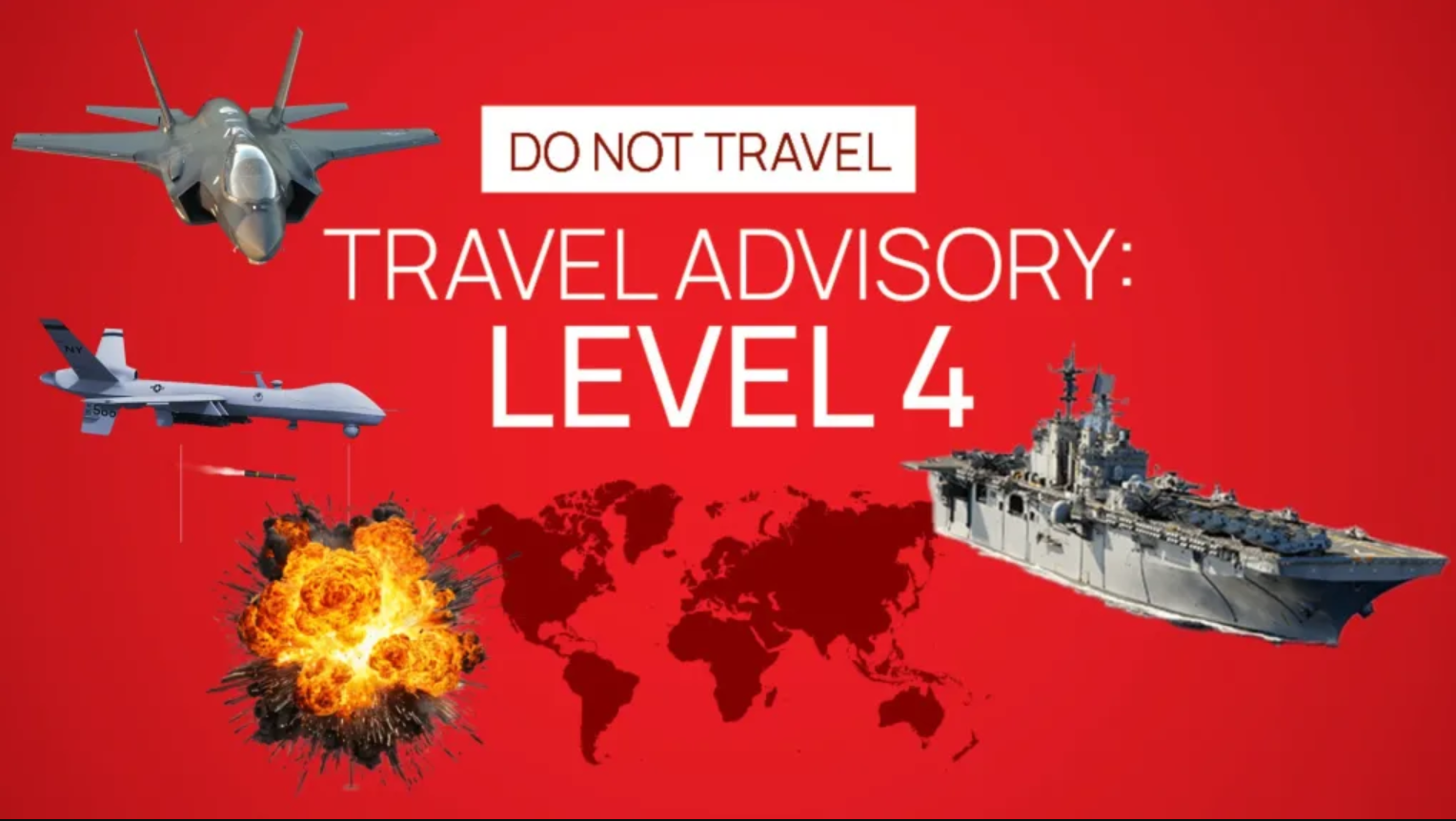

Several African countries continue to feature on the highest level of travel risk issued by the United States, with the latest May 2026 update maintaining a Level 4 “Do Not Travel” advisory across multiple global hotspots.
- Nine African countries are currently under the U.S. Level 4 'Do Not Travel' advisory as of May 2026, nearly half of the highest-risk countries worldwide.
- This designation indicates severe risks such as armed conflict, terrorism, kidnapping, political instability, and poor emergency services.
- Recent updates added Niger in January 2026 and Chad in April 2026 to the Level 4 list due to escalating insecurity and militant activity.
- Long-term conflict and governance failures have kept Libya, Somalia, South Sudan, and the Central African Republic on the highest alert.
Out of 21 countries worldwide under the U.S. Level 4: Do Not Travel advisory, nine are in Africa meaning the continent accounts for nearly half of the highest-risk destinations.
A Level 4 advisory is the U.S. government’s strongest travel warning, issued for places where conditions such as armed conflict, terrorism, violent crime, kidnapping, civil unrest, or weak infrastructure pose severe, life-threatening risks.
In many of these locations, consular assistance may also be extremely limited or unavailable.
The designation, issued by the U.S. State Department, reflects severe security risks including armed conflict, terrorism, kidnapping, political instability, and in some cases active war or weak state control.
The advisory discourages all travel to listed destinations due to life-threatening conditions.
The affected countries span the Sahel, Central Africa, North Africa, and the Horn of Africa — regions that continue to face overlapping security and humanitarian crises.
Niger and Chad additions highlight Sahel deterioration
Niger was added to the United States’ Level 4 “Do Not Travel” advisory list in January 2026, bringing the number of African countries under the highest U.S. travel alert to eight at the time.
The advisory cited terrorism, kidnapping, violent crime, civil unrest, and weak emergency and healthcare capacity as key risks.
Chad was later added in April 2026, reflecting rising concerns over regional spillover insecurity, militant activity, and kidnapping risks along its border areas.
Other 2026 updates largely reaffirmed existing Level 4 listings, including Burkina Faso, Mali, and Sudan, amid worsening insecurity linked to armed groups and political instability.
Libya, Somalia, South Sudan, and the Central African Republic remained unchanged, reflecting persistent long-term conflict and governance breakdown across multiple regions.
Overall, the 2026 revisions suggest consolidation rather than expansion of Africa’s high-risk zones, particularly across the Sahel and surrounding instability belt.
Security analysts say the concentration of affected countries reflects a widening instability belt stretching from the Sahel through Central Africa to the Horn of Africa.
This corridor continues to be shaped by insurgencies, political transitions following coups, weak state authority in rural areas, and worsening humanitarian conditions.