‘Bring him dead or alive’: Nigeria orders arrest of former state oil chief over $154 billion audit probe amid failed refinery repairs
Nigeria’s Senate has ordered the arrest of former state oil company chief Mele Kyari, who is said to be receiving medical treatment in Germany, after he repeatedly failed to appear before lawmakers investigating ₦210 trillion, about $154 billion, in disputed financial entries at the Nigerian National Petroleum Company.
 Black News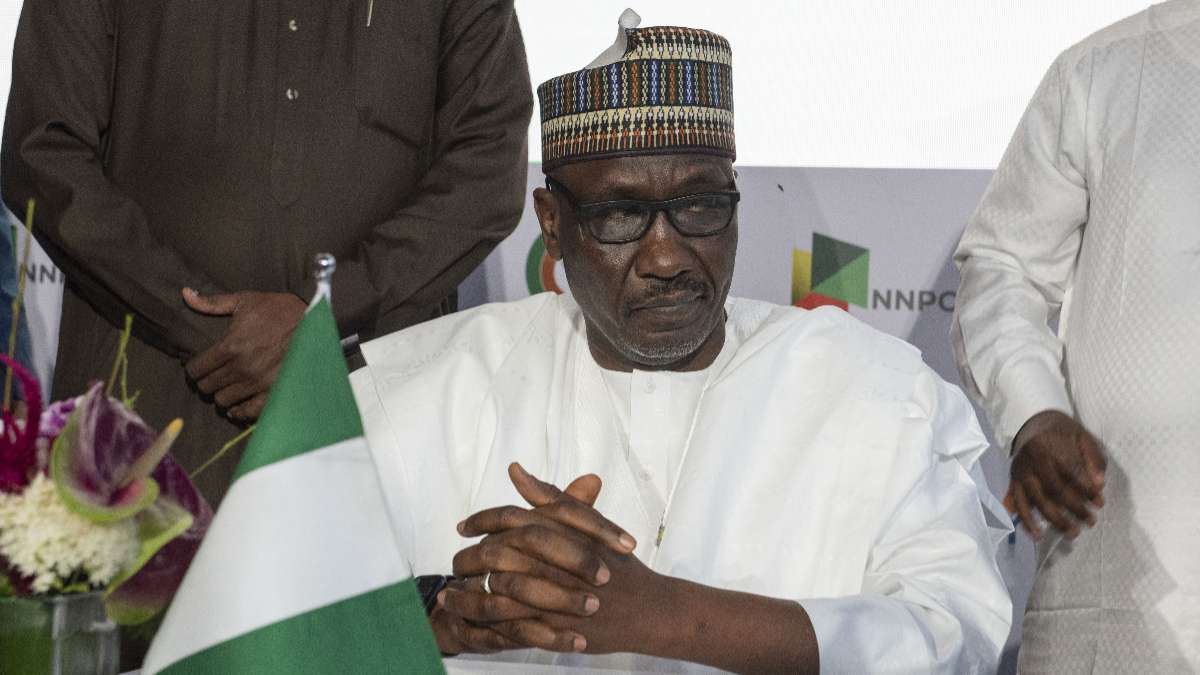

Nigeria’s Senate has ordered the arrest of former state oil company chief Mele Kyari, who is said to be receiving medical treatment in Germany, after he repeatedly failed to appear before lawmakers investigating ₦210 trillion, about $154 billion, in disputed financial entries at the Nigerian National Petroleum Company.
- Nigeria's Senate has ordered the arrest of former NNPC chief Mele Kyari after he repeatedly failed to appear before lawmakers investigating ₦210 trillion ($154 billion) in disputed financial entries.
- The investigation follows nine hearings into 19 audit queries covering 2017–2023 and reflects growing demand for accountability amid Nigeria's rising government borrowing and fiscal pressures.
- Lawmakers rejected NNPC's explanation of the disputed funds and insist on documents and testimony from former executives; Kyari claims he informed the Senate of his medical treatment in Germany.
- The probe also highlights ongoing failures at Nigeria’s state refineries, which have consumed billions in rehabilitation funds but remain unreliable, increasing dependence on imported fuel.
The Senate Committee on Public Accounts issued the order on June 10 after nine hearings into 19 audit queries involving the Nigerian National Petroleum Company, or NNPC, covering 2017 to 2023.
The investigation has intensified scrutiny of Africa’s biggest oil producer, where billions of dollars have been spent on state-owned refineries that have yet to achieve reliable production.
“Anywhere Mele Kyari is, the former group GCEO should be arrested and brought before the committee immediately,” committee chairman Ibrahim Dankwambo said after lawmakers approved the motion.
The ₦210 trillion under review, equivalent to about $154 billion, does not necessarily represent missing funds.
NNPC told lawmakers that ₦103 trillion ($75.6 billion) reflected accrued expenses, while ₦107 trillion ($78.5 billion) was listed as receivables.
However, lawmakers rejected the explanation and demanded supporting documents and testimony from former company executives.
Appointed by former President Muhammadu Buhari in 2019, Kyari led NNPC first as group managing director and later as group chief executive following the company’s restructuring. He remained in the role until 2025.
‘Not only when it catches the rabbit’
Adams Oshiomhole, a former state governor who now serves in the Senate, backed the arrest motion and said Kyari must personally account for decisions taken during his tenure.
“Some people believe they are bigger than Nigeria,” Oshiomhole said. “The law must be effective when it catches the lion, not only when it catches the rabbit.”
He urged the committee to issue the warrant “not tomorrow, but today”.
“These are allegations involving trillions of naira at a time Nigerians are suffering, and the country is borrowing heavily,” Oshiomhole said.
Another lawmaker told the committee that Kyari was receiving medical treatment in Germany. Kyari later said he had informed lawmakers about his treatment and was “deeply shocked” by the arrest order.
The committee, however, ruled that his repeated absence had delayed the investigation.
Borrowing raises pressure for accountability
The audit dispute comes as Nigeria increases borrowing to finance government spending and infrastructure.
In October 2025, parliament approved a $2.85 billion foreign borrowing plan, including a proposed $500 million sovereign sukuk.
More recently, the government arranged access to as much as $5 billion through a derivatives agreement with First Abu Dhabi Bank.
The International Monetary Fund warned that such financing structures could be complex and opaque, creating additional fiscal risks.
Nigeria is also expected to spend about $11.6 billion on debt servicing in 2026, close to half of projected government revenue.
State refineries remain unreliable
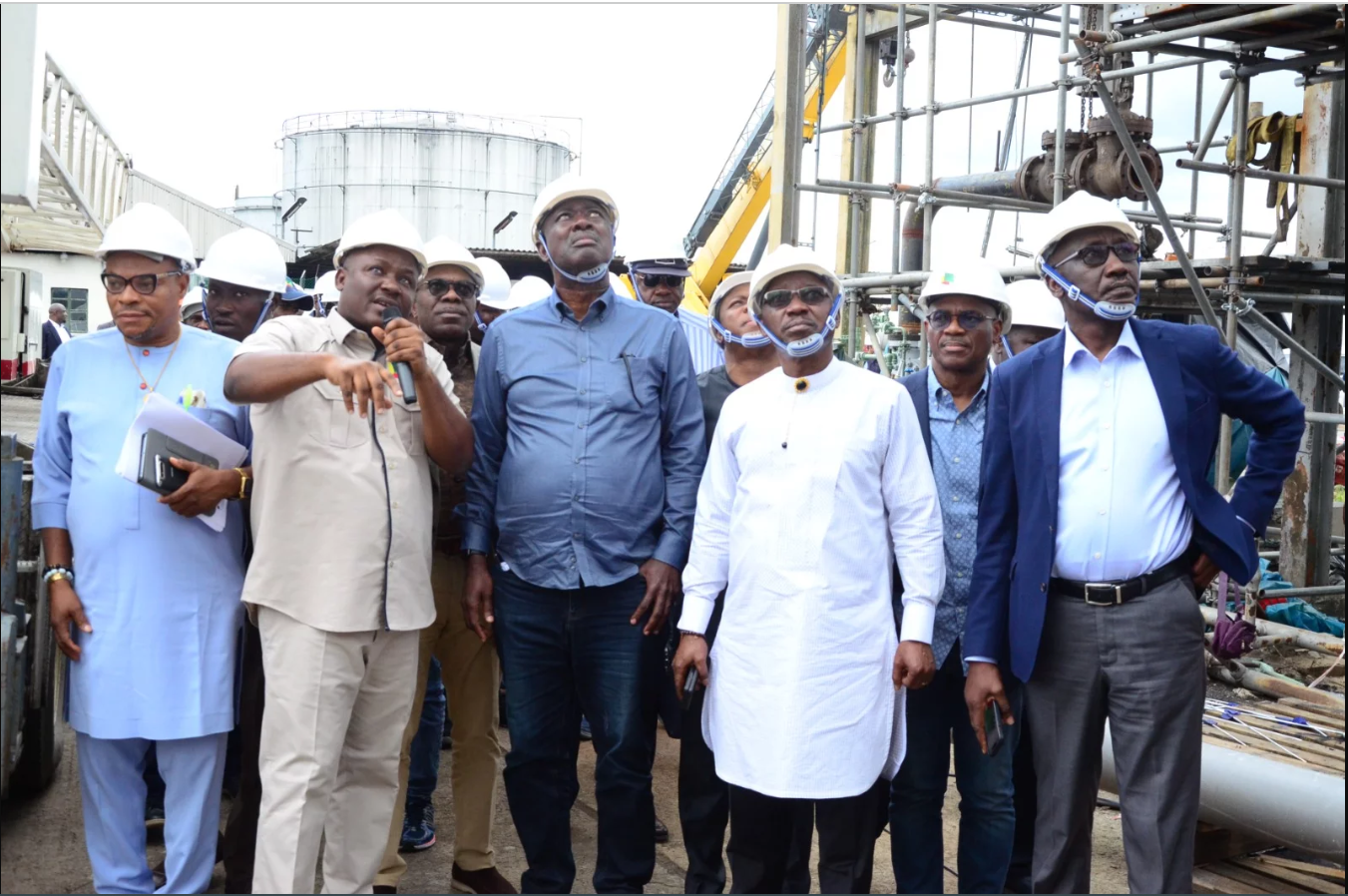
Scrutiny of NNPC has also focused on Nigeria’s four state-owned refineries in Port Harcourt, Warri and Kaduna.
The facilities have a combined processing capacity of 445,000 barrels a day and were intended to reduce the country’s dependence on imported petrol, diesel and other refined products.
However, years of rehabilitation programmes and billions of dollars in spending have failed to restore sustained production.
The Port Harcourt refinery resumed limited operations in November 2024 after a rehabilitation programme valued at about $1.5 billion. NNPC shut it again in May 2025 for maintenance and a performance review.
The Warri refinery also restarted briefly before halting production, while the Kaduna plant has yet to return to commercial operations.
Nigeria’s parliament previously estimated that about $25 billion had been spent over a decade trying to repair the state-owned refineries.
Despite being one of Africa’s biggest crude oil producers, Nigeria has continued to depend on imported fuel and the privately owned Dangote refinery near Lagos.
Dangote alleged links to Malta blending plant
NNPC also faced public criticism from billionaire industrialist Aliko Dangote during Kyari’s tenure.
In July 2024, Dangote alleged that some NNPC personnel, fuel traders and terminal operators had established a blending plant in Malta and were importing petroleum products into Nigeria.
“Some of the NNPC people and some traders have opened blending plants somewhere off Malta,” Dangote said during a visit by Nigerian lawmakers to his refinery.
Kyari denied owning or operating such a facility and said he was unaware of any NNPC employee with a blending plant in Malta or elsewhere.
He also challenged Dangote to identify the officials involved and called on security agencies to investigate any evidence of wrongdoing.
The Senate has not established that Kyari stole or personally controlled the ₦210 trillion under review. The inquiry remains focused on disputed accounting entries, supporting documents and the management of public revenue during his tenure.