Ghana plans $1billion local bond sale to stabilise cocoa sector
Ghana is preparing to raise about $1 billion through domestic bonds to finance cocoa purchases for the 2026/27 season, as the West African country tries to reduce reliance on foreign lenders and contain growing pressure in its cocoa sector.
 Black News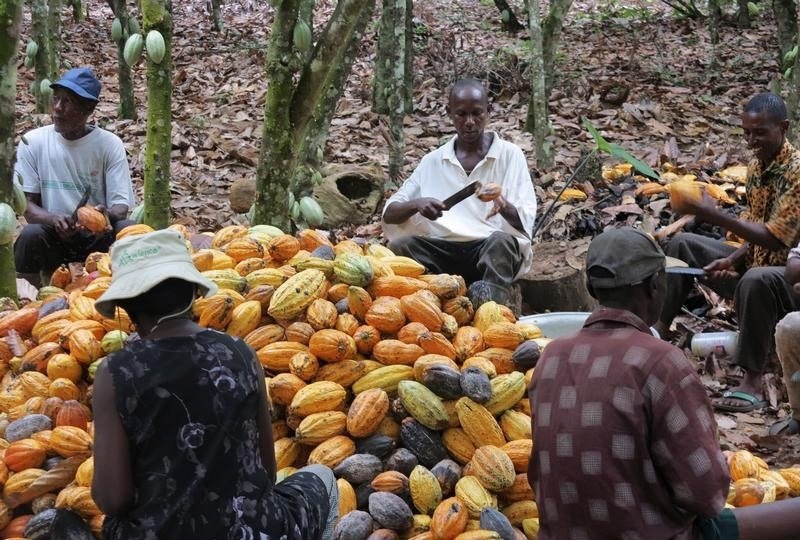
Ghana is preparing to raise about $1 billion through domestic bonds to finance cocoa purchases for the 2026/27 season, as the West African country tries to reduce reliance on foreign lenders and contain growing pressure in its cocoa sector.
- Ghana plans to raise $1 billion via domestic, local-currency bonds for the 2026/27 cocoa season to reduce reliance on foreign financing.
- This shift aims to stabilize the sector following recent market volatility, taking advantage of improved domestic interest rates.
- The strategy seeks to address financial pressures on state-controlled buyers.
- The success of this move is key to stabilizing the industry's long-term funding structure.
The fundraising plan, expected before the next cocoa season starts around August, would be carried out in Ghanaian cedis instead of dollars, marking a significant shift in how the country finances one of its most important export industries.
Bloomberg first reported the planned bond sale, citing people familiar with the discussions.
The move comes after months of turbulence in the global cocoa market, where prices hit record highs in 2024 before falling sharply, creating funding and repayment pressures for major producers including Ghana.
“We are looking at funding the entire crop,” Randy Abbey, chief executive of the Ghana Cocoa Board (COCOBOD), said at the Africa Cocoa Investment Forum in London on Wednesday.
“We believe that the interest rates in Ghana now are at the right place for us to go into the market,” he added.
DON'T MISS THIS: Ghana slashes cocoa farmgate price to $3,580, rolls out bond financing plan
Ghana, the world’s second-largest cocoa producer after Côte d’Ivoire, has long relied on foreign syndicated loans backed by international commodity traders to finance cocoa purchases from farmers each season.
But authorities are now trying to cut exposure to foreign currency borrowing after the recent cocoa market swings exposed weaknesses in the country’s financing model.
The proposed local bond sale is also part of broader efforts to create a more stable funding structure for the cocoa industry, which remains a major source of export revenue and rural employment in Ghana.
The sector, however, has been under growing strain from falling production, illegal mining activities, climate-related challenges and financial stress within the state-controlled cocoa purchasing system.
At the centre of the liquidity crisis is Producer Buying Company (PBC), the state-linked cocoa buyer legally required to purchase cocoa from farmers as a buyer of last resort.
The company has struggled with rising debts and weak cash flow, limiting its ability to continue large-scale cocoa purchases.
Earlier, PBC had reported accumulated debts of about 673 million cedis, equivalent to roughly $60 million, raising concerns over possible asset seizures.
The company also reportedly owed farmers around 24 million cedis for more than 9,000 bags of cocoa already supplied.
The government had promised earlier this year to revive PBC and restore it as Ghana’s leading cocoa buyer, but financial pressures have continued to weigh on operations.
The planned bond issuance comes as Ghana’s economic conditions gradually improve following years of debt distress and high inflation.
Consumer inflation rose slightly to 3.4 per cent year-on-year in April from 3.2 per cent in March, the first increase since December 2024, though price pressures remain far below levels seen during the peak of the country’s economic crisis.
The Bank of Ghana has meanwhile continued cutting interest rates after inflation eased sharply over the past year.
The benchmark policy rate was recently reduced to 14 per cent after several consecutive cuts since 2025, helping lower borrowing costs and improving conditions for domestic fundraising.
Analysts say the success of the proposed bond sale could determine how effectively Ghana stabilises its cocoa sector while reducing dependence on volatile foreign financing markets.