Can Drone Window Cleaning Solve the Safety Risks of Working At Height?
NNPA NEWSWIRE — High-rise window maintenance has traditionally required extensive rigging, crew coordination, and significant preparation time. Innovative cleaning methods like drone systems typically reduce that setup considerably, which lets crews start faster and finish more efficiently. The post Can Drone Window Cleaning Solve the Safety Risks of Working At Height? appeared first on BlackPressUSA.
 Black News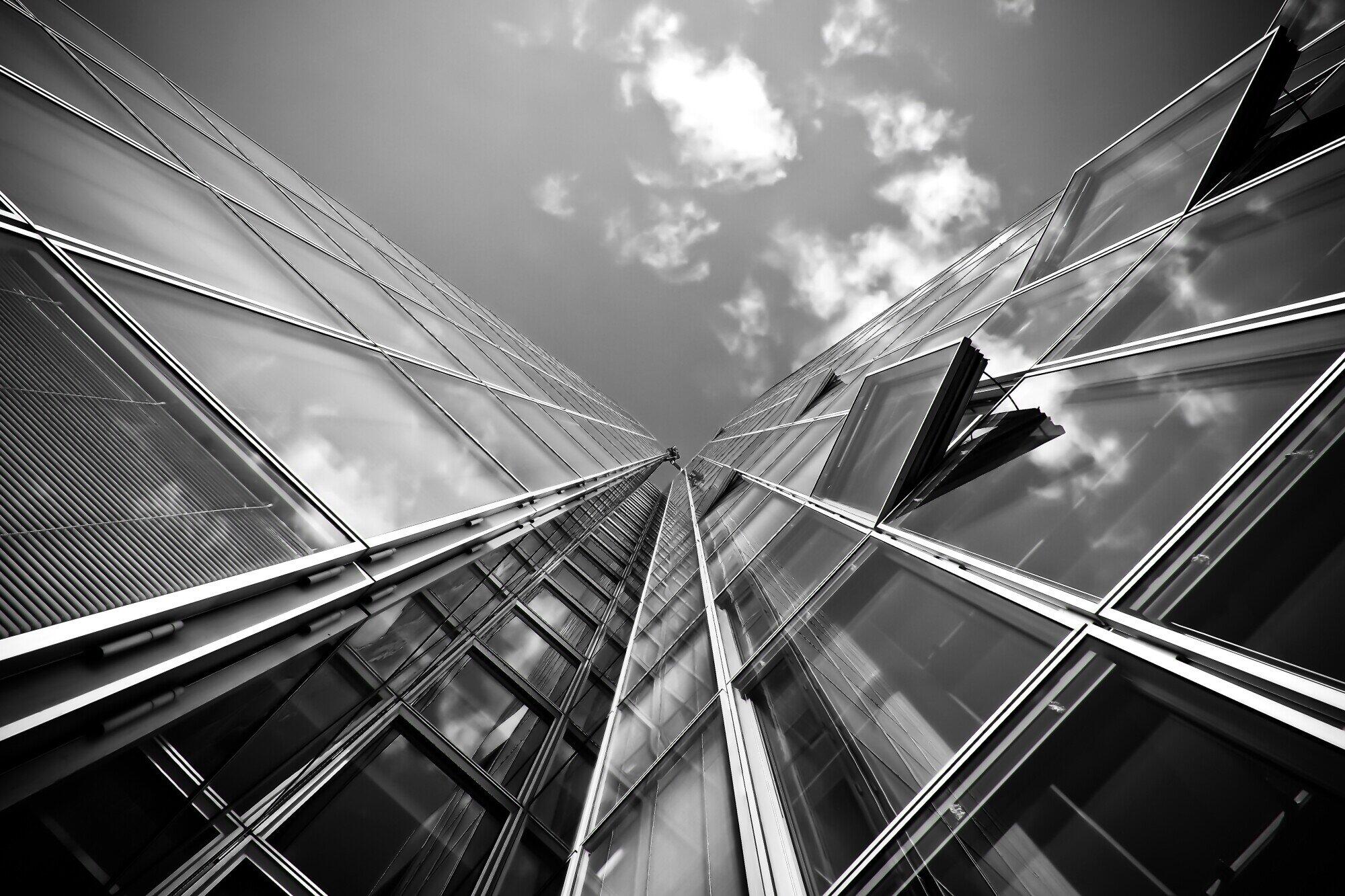
By Cristal Dyer
Drone window cleaning can significantly reduce the most serious height safety risks in the industry by removing workers from suspended positions on ropes, scaffolding, and aerial lifts. The technology moves operators to the ground, shifting the primary hazard from fall exposure to drone operations and weather management. For most high-rise buildings, that shift represents a real and meaningful safety improvement.
Window cleaning ranks consistently among America’s most physically dangerous trades. According to the Bureau of Labor Statistics, falls accounted for 37% of all construction-related fatalities in the United States in 2024. Workers suspended hundreds of feet above the ground face conditions where a single equipment failure carries fatal consequences.
That danger has driven demand for a smarter approach, and this article covers exactly where drone technology delivers on that promise, where risks remain, and what it all means for safer, more efficient high-rise operations.
What Makes High-Rise Window Cleaning So Dangerous?
Working on a high-rise is genuinely one of the most hazardous jobs in any industry. The height safety risks are significant; workers on scaffolding, ropes, or aerial lifts face constant fall exposure, often hundreds of feet above the ground.
In fact, federal safety regulations require fall protection at heights as low as four feet in many general industry workplaces. A fall from a high-rise window-cleaning rig, of course, is far more severe than that.
Training and protective gear help reduce risk, yet they can only do so much when workers spend full shifts suspended at extreme heights. Physical fatigue, changing weather, and aging anchor equipment all make the job more difficult to manage safely.
Some of the broader costs and consequences tied to traditional high-rise window cleaning include:
- Workers’ compensation claims from a single fall can reach hundreds of thousands of dollars
- Building facades sometimes lack proper anchor points, making safe access very difficult
- Dropped tools at height can seriously injure people on the ground below
- Legal liability from a fall incident can follow a company for years
How Drone Window Cleaning Works
Drone cleaning technology moves the operator from a suspended position high above the ground to a safe position at street level. The operator controls the drone from the ground, directing the cleaning system across the building’s exterior without any physical presence at height.
High-rise window maintenance has traditionally required extensive rigging, crew coordination, and significant preparation time. Innovative cleaning methods like drone systems typically reduce that setup considerably, which lets crews start faster and finish more efficiently.
Most commercial drone systems use water-fed attachments that spray and scrub glass surfaces from the air. The system pumps purified water through the drone’s cleaning head, which basically agitates and rinses the glass in a single pass.
Key Limitations: Compliance, Weather, and Operational Risk
Drones carry their own set of risks that operators still need to manage carefully. Signal loss, mechanical failure, and pilot error are real possibilities that require thorough pre-flight checks and site assessments before every job.
Weather, of course, plays a major role in whether drone operations are even possible on a given day. Strong wind, heavy rain, and electrical storms can ground a drone entirely, which sometimes creates scheduling delays that traditional methods might handle more flexibly.
Signal interference near large buildings can affect a drone’s control system, so site-specific planning is pretty important for urban jobs. Federal aviation rules apply to all commercial drone operations, and operators need to stay current with those requirements. Failing to comply can seriously result in fines, grounded equipment, and loss of operating authorization.
Operators need to follow rules covering:
- A requirement that the pilot keep the drone in direct sight at all times
- Operating windows limited to daylight and early evening hours
- Authorization requirements for flying over people or in populated areas
- Registration and certification requirements for all commercial drone pilots
Is Drone Cleaning the Right Solution for Your Building?
The future of cleaning technology clearly points toward wider drone adoption, and many building managers are actively evaluating the shift. For buildings with complex or hard-to-reach facades, drone systems offer a significant practical advantage over traditional rigging.
Window cleaning Charlotte NC operators, for example, work with a wide range of building types from glass-heavy commercial towers to older structures with irregular exteriors. Drone systems handle many of these facades more efficiently, and with far less disruption to people working inside or on the ground.
The decision really comes down to building type, local regulations, and how often exterior cleaning is needed. Routine cleaning on tall, glass-faced buildings is typically where drone systems deliver the most value. For buildings with heavily textured surfaces or restricted airspace, a combined approach using drones for open facades and manual crews for trickier spots is usually the better option.
Frequently Asked Questions
Do I Need Special Permits to Use a Drone for Commercial Window Cleaning?
Yes, commercial drone operators need a remote pilot certificate from the Federal Aviation Administration. Some locations require additional local permits, so checking with your city or county before starting any job is a good idea.
How Often Do Drones Need Maintenance, and Does That Affect Scheduling?
Drones need regular inspections, battery checks, and mechanical servicing to stay airworthy. A well-maintained system rarely interrupts a cleaning schedule, so most operators build maintenance windows into their service plans to stay ahead of any issues.
Can Drones Clean All Window Types, Including Textured or Angled Glass?
Most drone systems work very well on standard flat glass, yet angled or heavily textured surfaces can sometimes reduce cleaning effectiveness. A site assessment before the first job helps identify any areas that might still need manual attention.
A Smarter Path to High-Rise Window Safety
Drone window cleaning offers a genuine step forward in reducing fall exposure on high-rise buildings, replacing one of the industry’s most hazardous tasks with ground-based operation. While compliance requirements, weather conditions, and equipment management still demand attention, the overall safety profile improves considerably.
As this technology continues to advance, its role in high-rise building maintenance will only grow. Visit our website to explore more expert guides on cleaning technology, safety best practices, and what the future of window cleaning looks like.
The post Can Drone Window Cleaning Solve the Safety Risks of Working At Height? appeared first on BlackPressUSA.


:focal(0x0:3000x1610)/static.texastribune.org/media/files/0248ac9cd11ea600f928b365fe103f4a/0705 Hill Country Flood RB TT 43.jpg?#)