
Dangote keeps Kenya refinery plans alive but imposes tough investment terms
Aliko Dangote is signaling that he will only proceed with plans for a major oil refinery in East Africa if governments in the region introduce strong anti-dumping protections to shield local refining operations from cheaper imported fuel.
 Black News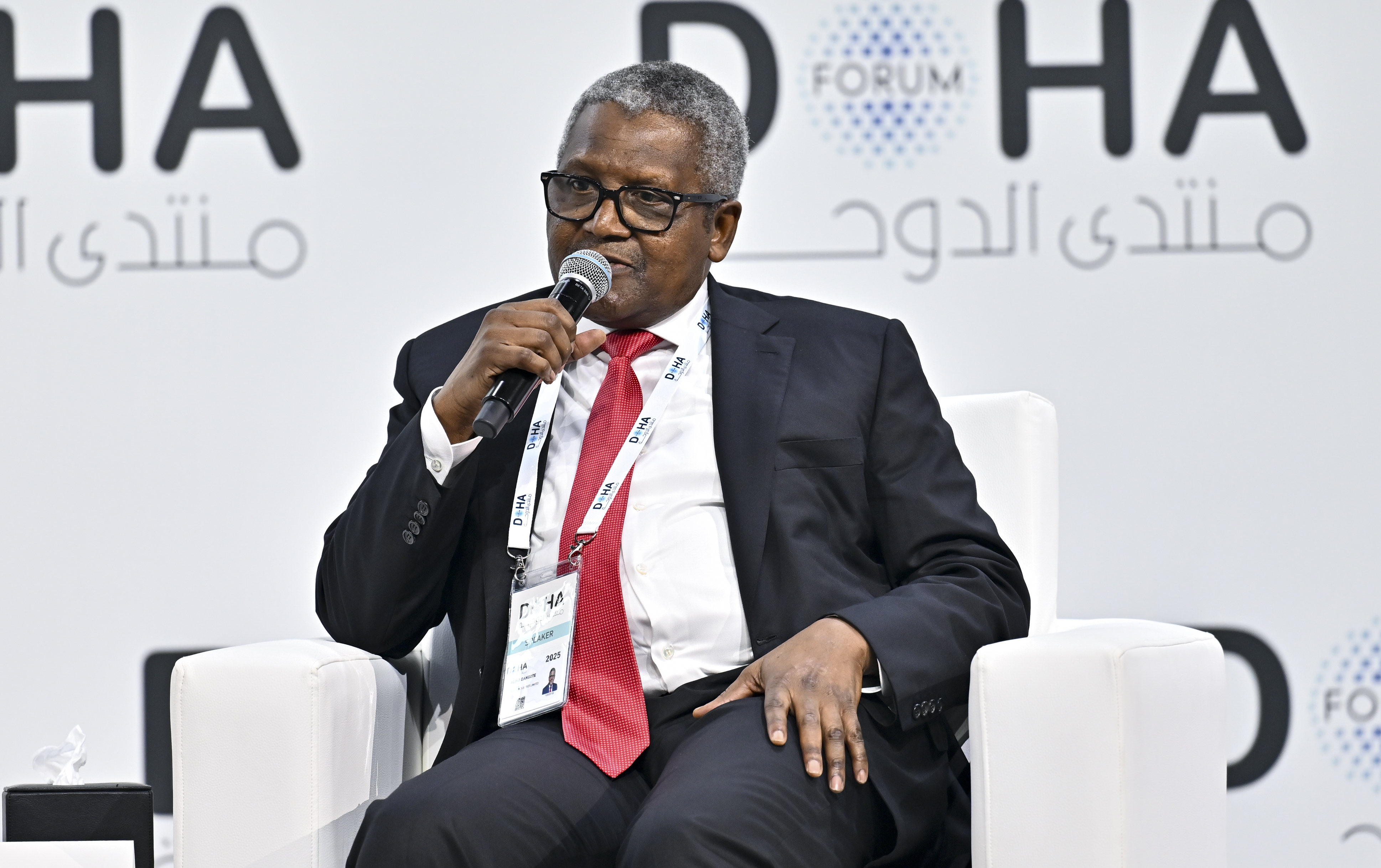
![Dangote keeps Kenya refinery plans alive but imposes tough investment terms [Photo by Noushad Thekkayil/NurPhoto via Getty Images]](https://ocdn.eu/pulscms/MDA_/e7706ee37d6d7c1ad96fc7c6a395b145.jpg)
Aliko Dangote is signaling that he will only proceed with plans for a major oil refinery in East Africa if governments in the region introduce strong anti-dumping protections to shield local refining operations from cheaper imported fuel.
- Aliko Dangote will only continue with plans for a major East African oil refinery if strong anti-dumping protections are introduced by local governments.
- He aims to model the new refinery after his massive Nigerian facility, currently the world's largest single-train refinery.
- Dangote warns that without safeguards, Africa could become a dumping ground for cheap, imported fuel, undermining local industry.
- He cites challenges faced by his Nigerian refinery due to unfair import practices, which threaten domestic refiners’ viability and investment.
The comments come as the Nigerian billionaire explores potential refinery investments in Kenya, with the proposed project modeled after his 650,000-barrel-per-day facility in Nigeria which is currently the largest single-train refinery in the world.
Dangote has repeatedly warned that Africa risks becoming a “dumping ground” for foreign refined fuel if governments fail to protect domestic industrial capacity.
He also draws on lessons from Nigeria, where his refinery has faced challenges linked to fuel import practices and blending operations that, according to his company, distort competition and weaken incentives for long-term investment in local refining.
The proposed East African refinery project, estimated to cost between $15 billion and $17 billion, is currently being considered for Mombasa in Kenya.
Dangote has previously pointed to the port’s size and depth as strategic advantages over Tanzania’s Tanga, alongside Kenya’s larger fuel market and higher consumption levels.
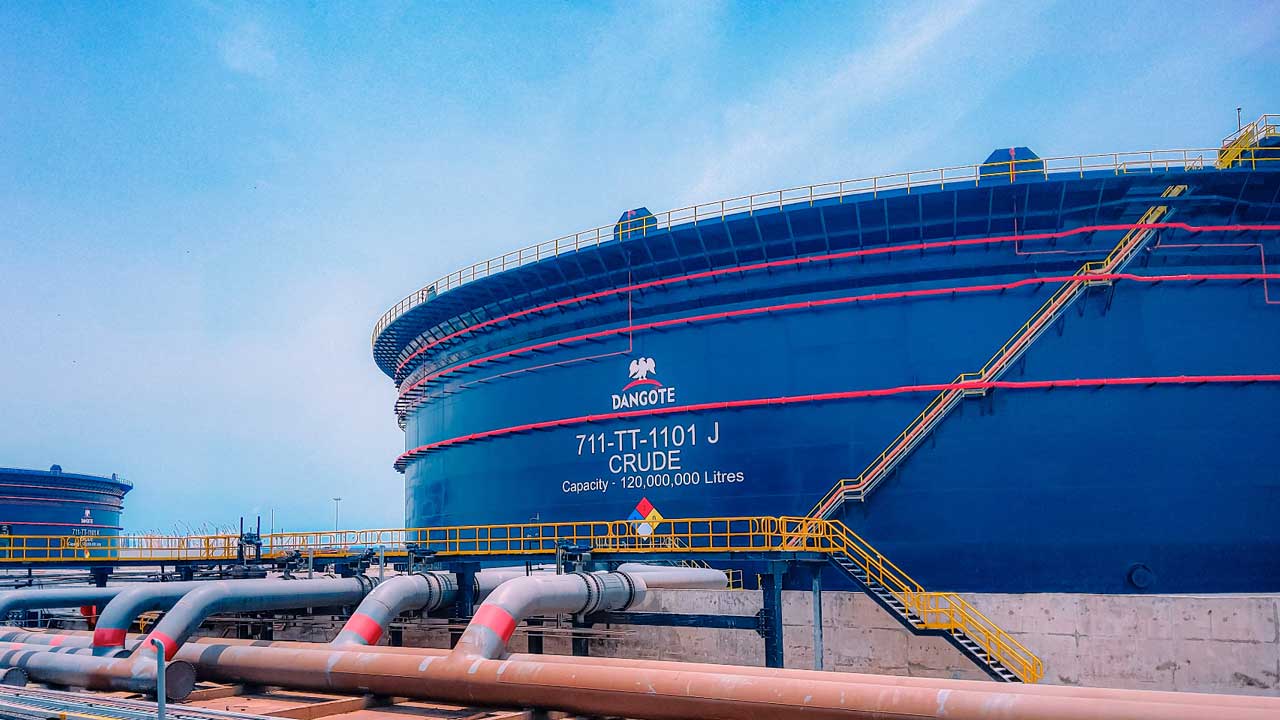
What “dumping” means for African refineries
Dumping refers to the practice of selling imported refined fuel at artificially low prices, often driven by subsidies, large-scale production advantages, or global trading distortions.
While this can make fuel cheaper in the short term, it creates major challenges for local refineries, which must recover heavy capital and operating costs within their domestic markets.
When imported fuel is significantly cheaper, local plants struggle to compete, discouraging new investment and, in some cases, forcing existing refineries to reduce output or shut down entirely.
In Africa, this dynamic has contributed to continued dependence on imported petroleum products despite the continent’s crude oil resources.
Dangote stressed that policy certainty will be decisive in determining whether the investment proceeds. “There is no refinery in the world that can survive without that protection,” he said. “If we have an agreement, we can start this year,” he added.
He has consistently framed the project as part of Africa’s industrialisation push, arguing that the continent must move from exporting raw materials to producing finished goods locally, with regulatory backing seen as critical to making that shift viable.