DR Congo moves to secure stake in $270 million Zambia power link amid mining energy crunch
The Democratic Republic of Congo (DRC) is considering taking an equity stake in a $270 million cross-border electricity project linking it to Zambia, as mounting power shortages threaten output in one of the world’s most important copper-producing regions.
 Black News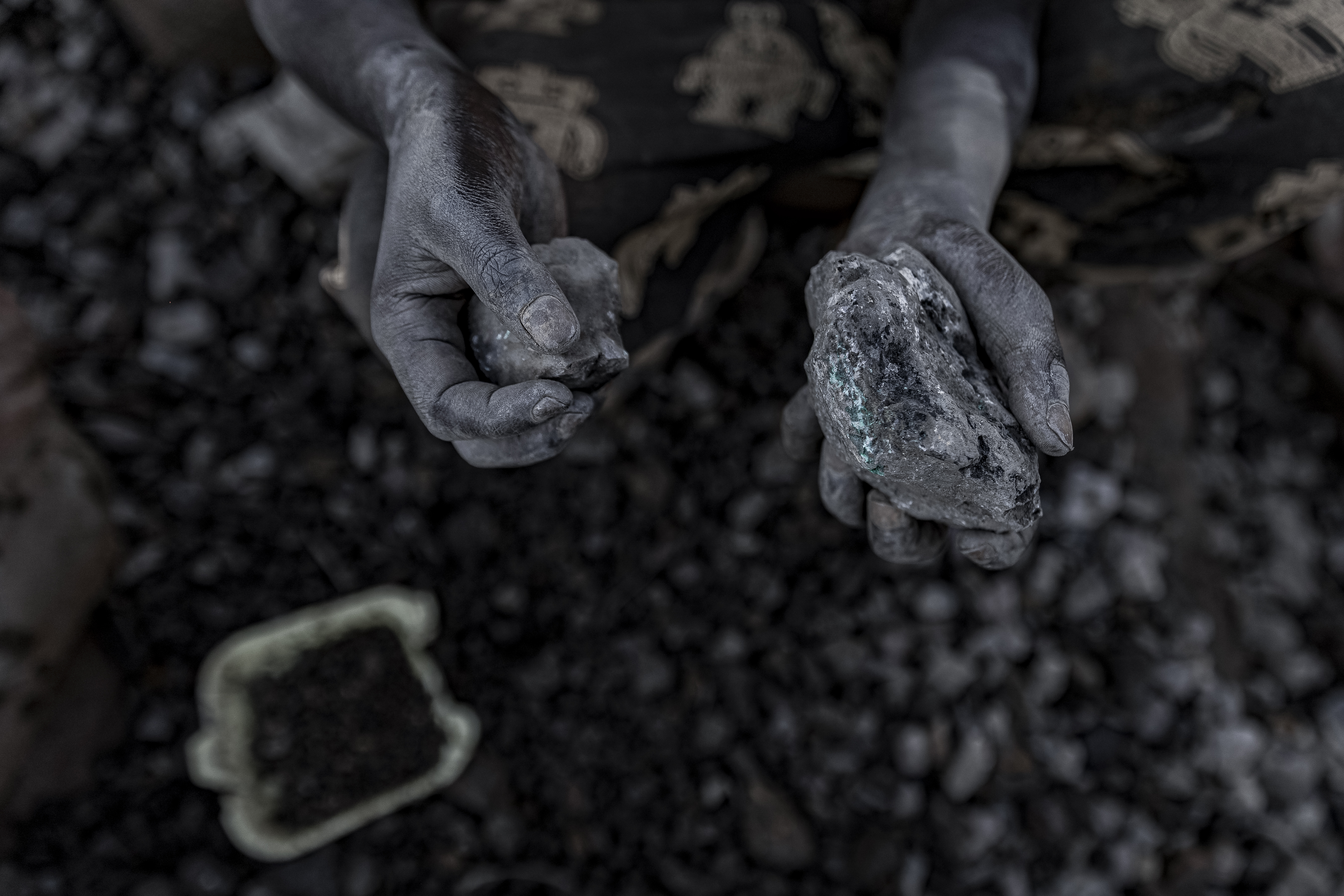
![Copper And Cobalt Mining In Kolwezi, Democratic Republic Of The Congo. [Photo by Michel Lunanga/Getty Images]](https://ocdn.eu/pulscms/MDA_/105751d0ba0934eec3ce2bc134aad6e9.jpg)
The Democratic Republic of Congo (DRC) is considering taking an equity stake in a $270 million cross-border electricity project linking it to Zambia, as mounting power shortages threaten output in one of the world’s most important copper-producing regions.
- DR Congo is exploring a stake in a $270 million power link to Zambia to address rising electricity demand in its copper belt.
- The project could supply up to 550 MW, easing reliance on costly diesel backup systems.
- Mining expansion and local processing ambitions are intensifying pressure on the country’s fragile grid.
- Long-term relief may depend on the delayed Inga III hydropower project, backed by the World Bank.
According to the finance ministry, the proposed investment would give Kinshasa a direct role in a 200-kilometre բարձր-voltage transmission line being developed between Kalumbila in north-western Zambia and Kolwezi, the centre of Congo’s copper belt. The line is expected to deliver an initial 460 megawatts (MW), with potential expansion to 550 MW. A construction start date has yet to be confirmed.
The move reflects growing pressure on Congo’s mining sector, where electricity demand is rising faster than supply can meet. Mining companies are increasingly investing in local processing facilities, in line with government policy to retain more value domestically rather than exporting raw minerals. However, limited grid capacity has forced operators to rely on diesel generators and self-funded backup systems.
Finance Minister Doudou Fwamba said studies indicate that adding 1 gigawatt (GW) of power capacity could double current mining output. He added that improving energy infrastructure is central to the country’s shift towards industrial processing and manufacturing.
The planned stake also aligns with a broader infrastructure push following the government’s recent $1.25 billion eurobond issuance. Using Forbes currency benchmarks, the transmission project’s value remains approximately $270 million, while parallel private investments are scaling up alongside it.
Despite possessing Africa’s largest untapped hydropower potential, largely centred on the Inga dam system, the DRC continues to face a severe electricity deficit estimated at more than 5,000 MW. The mining-heavy southern region alone accounts for at least 900 MW of unmet demand.
Industry operators say the gap is already affecting operations. Auguy Bakome, a project manager at the Kamoa-Kakula copper complex, described the deficit as “massive”, noting that companies are compelled to depend on costly diesel generation to maintain output.
At the same time, energy needs are rising as firms deepen local processing. Ivanhoe Mines has begun producing copper anodes at a new smelter in Kamoa-Kakula, designed to handle up to 500,000 tonnes annually, adding a significant new layer of electricity demand.
Private energy providers are responding to the shortfall. CrossBoundary Energy is developing a solar and battery storage project worth about $250 million to support operations at Kamoa-Kakula, with phased delivery expected to reach full capacity later this year.
In the longer term, the DRC is banking on the Inga III hydropower project on the Congo River. Backed by a World Bank programme valued at up to $1 billion, the project could eventually generate between 2 GW and 11 GW, potentially transforming the country into a major regional power exporter.