Gov’t to cut spending on vehicles in new policy as fuel costs rise
Speaking on Coffee Time with Peter Gomez together with Dr Ismaila Ceesay, minister for information, , Sillah said the move is aimed at easing pressure on public finances as fuel costs surge, stressing that “annually, we are looking at decreasing government expenditure on all aspects of vehicles that are allocated to civil servants in terms of maintenance, in terms of cost of fuel, and also in terms of those who should have it.” He revealed that a comprehensive vehicle policy has already been finalised and is awaiting cabinet discussion, noting that it will redefine who qualifies for government vehicles while tightening coordination and oversight. “One of the biggest problems when it comes to government fuel expenditure is not necessarily that ministers have fuel coupons. Some of the problems are lack of coordination. Once this is properly regulated, I think we will have a proper window of government actual expenditure on fuel,” he said. Speaking on the same matter Dr Ceesay pushed back on Peter’s suggestions that ministers should drastically cut after work daily movements to save fuel, he argued that official duties cannot be predicted or restricted. “I cannot be sitting in my office and say I’m not going to a critical meeting because I have to minimise my runs,” he said, adding that fuel allocations are strictly for official work and any excess is personally covered. “Sometimes before the 15th, my allocations run out. Now, I have to buy fuel from my pocket. You don’t go back to government and say give me extra.” Minister Sillah, said the policy also explores structured systems such as vehicle pooling and stricter planning mechanisms to reduce waste without disrupting operations. “You need a very coherent policy so that you don’t also cause chaos in government operations,” he explained, warning that poorly designed reforms could hurt efficiency. Beyond domestic measures, Sillah linked the situation to the global oil crisis triggered by instability in the Middle East, which he said has sharply reduced supply and disrupted distribution channels. “Production levels have been cut down to the lowest for many, many years and the supply chain has been disrupted; one-fifth of global oil supplies go through it,” he said. He described the impact on The Gambia as unavoidable, noting that the country depends entirely on imported energy. “If the supply is down and the prices shoot up, obviously it will have a knock-on impact. It’s called imported inflation,” he stated. Dr Ismaila Ceesay, said government has rolled out subsidies exceeding D500 million for April and May. “We cannot stop the situation but what we can do is to make sure that we come up with a strategy to cushion the impact,” Ceesay said, pointing to a cabinet sub-committee chaired by the Vice President tasked with monitoring supply chains, reserves, and pricing. He also cited recent fuel price adjustments: petrol at 112 dalasis per litre and gasoline at 120 as part of the response to global trends, urging public understanding. “This is a situation where everybody is struggling in the world. It is beyond our control,” he said. The interview also touched on wider government interventions, including tax waivers on livestock imports and reduced ferry charges ahead of key demand periods, aimed at stabilising food prices and easing the burden on consumers.
 Black News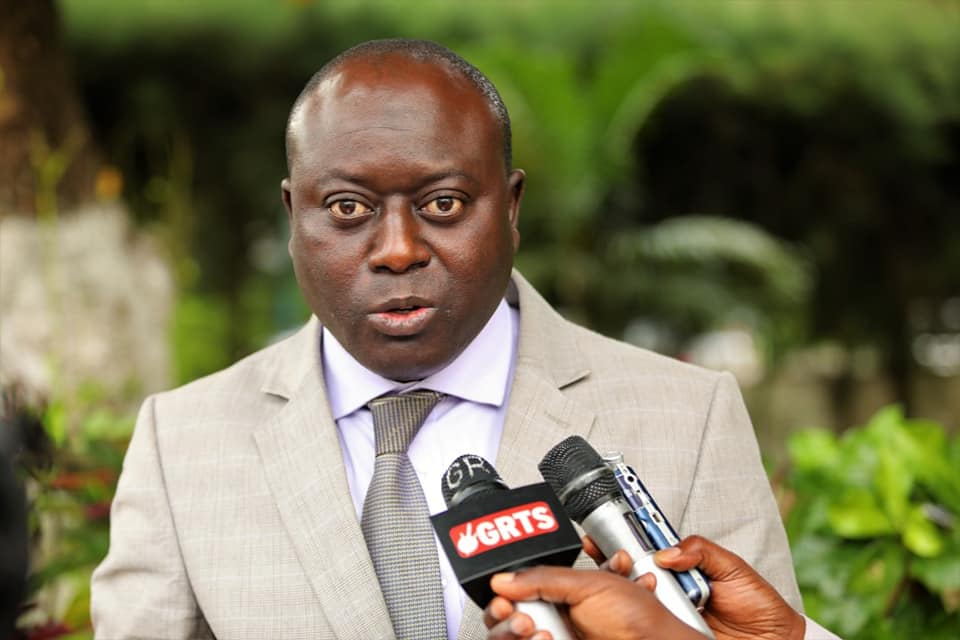
Speaking on Coffee Time with Peter Gomez together with Dr Ismaila Ceesay, minister for information, , Sillah said the move is aimed at easing pressure on public finances as fuel costs surge, stressing that “annually, we are looking at decreasing government expenditure on all aspects of vehicles that are allocated to civil servants in terms of maintenance, in terms of cost of fuel, and also in terms of those who should have it.”
He revealed that a comprehensive vehicle policy has already been finalised and is awaiting cabinet discussion, noting that it will redefine who qualifies for government vehicles while tightening coordination and oversight. “One of the biggest problems when it comes to government fuel expenditure is not necessarily that ministers have fuel coupons. Some of the problems are lack of coordination. Once this is properly regulated, I think we will have a proper window of government actual expenditure on fuel,” he said.
Speaking on the same matter Dr Ceesay pushed back on Peter’s suggestions that ministers should drastically cut after work daily movements to save fuel, he argued that official duties cannot be predicted or restricted. “I cannot be sitting in my office and say I’m not going to a critical meeting because I have to minimise my runs,” he said, adding that fuel allocations are strictly for official work and any excess is personally covered. “Sometimes before the 15th, my allocations run out. Now, I have to buy fuel from my pocket. You don’t go back to government and say give me extra.”
Minister Sillah, said the policy also explores structured systems such as vehicle pooling and stricter planning mechanisms to reduce waste without disrupting operations. “You need a very coherent policy so that you don’t also cause chaos in government operations,” he explained, warning that poorly designed reforms could hurt efficiency.
Beyond domestic measures, Sillah linked the situation to the global oil crisis triggered by instability in the Middle East, which he said has sharply reduced supply and disrupted distribution channels. “Production levels have been cut down to the lowest for many, many years and the supply chain has been disrupted; one-fifth of global oil supplies go through it,” he said.
He described the impact on The Gambia as unavoidable, noting that the country depends entirely on imported energy. “If the supply is down and the prices shoot up, obviously it will have a knock-on impact. It’s called imported inflation,” he stated.
Dr Ismaila Ceesay, said government has rolled out subsidies exceeding D500 million for April and May. “We cannot stop the situation but what we can do is to make sure that we come up with a strategy to cushion the impact,” Ceesay said, pointing to a cabinet sub-committee chaired by the Vice President tasked with monitoring supply chains, reserves, and pricing.
He also cited recent fuel price adjustments: petrol at 112 dalasis per litre and gasoline at 120 as part of the response to global trends, urging public understanding. “This is a situation where everybody is struggling in the world. It is beyond our control,” he said.
The interview also touched on wider government interventions, including tax waivers on livestock imports and reduced ferry charges ahead of key demand periods, aimed at stabilising food prices and easing the burden on consumers.