Beyond the 90 Minutes: Why Ugandan Sports Entities Must Institutionalize Social Security
When the Minister of Finance announced a 22.53% interest rate for National Social Security Fund (NSSF) members for the 2025/2026 financial year crediting Shs 5.44 trillion to savers’ accounts the corporate sector celebrated. Yet, in the dressing rooms of StarTimes Uganda Premier League clubs, where players run themselves into the ground for public entertainment, the […] The post Beyond the 90 Minutes: Why Ugandan Sports Entities Must Institutionalize Social Security appeared first on Kawowo Sports.
 Black News

When the Minister of Finance announced a 22.53% interest rate for National Social Security Fund (NSSF) members for the 2025/2026 financial year crediting Shs 5.44 trillion to savers’ accounts the corporate sector celebrated.
Yet, in the dressing rooms of StarTimes Uganda Premier League clubs, where players run themselves into the ground for public entertainment, the announcement passed quietly. This silence underscores a major structural flaw in Ugandan sport, the absence of formal retirement safety nets.
In African sport, an athlete’s career resembles a meteor, intensely bright, breathtakingly brief, and often ending in financial distress. The economic reality of professional sports differs from standard corporate employment.
While a standard career spans 30 to 40 years, an elite athlete’s peak earning window in Uganda typically lasts under a decade. Facing short contracts, low liquidity, and the constant risk of career-ending injuries, players face an abrupt financial cliff in their early 30s.
A survey of local sports entities reveals stark contrasts in financial structure. Institutional clubs like KCCA FC, URA FC, UPDF FC, UPPC & NEC FC provide a viable model.
Operating under corporate parent entities, these clubs engage players and technical personnel on formal contracts that include statutory social security contributions.
Upon retirement, their personnel transition into administrative, scouting, or corporate roles, supported by accrued savings.
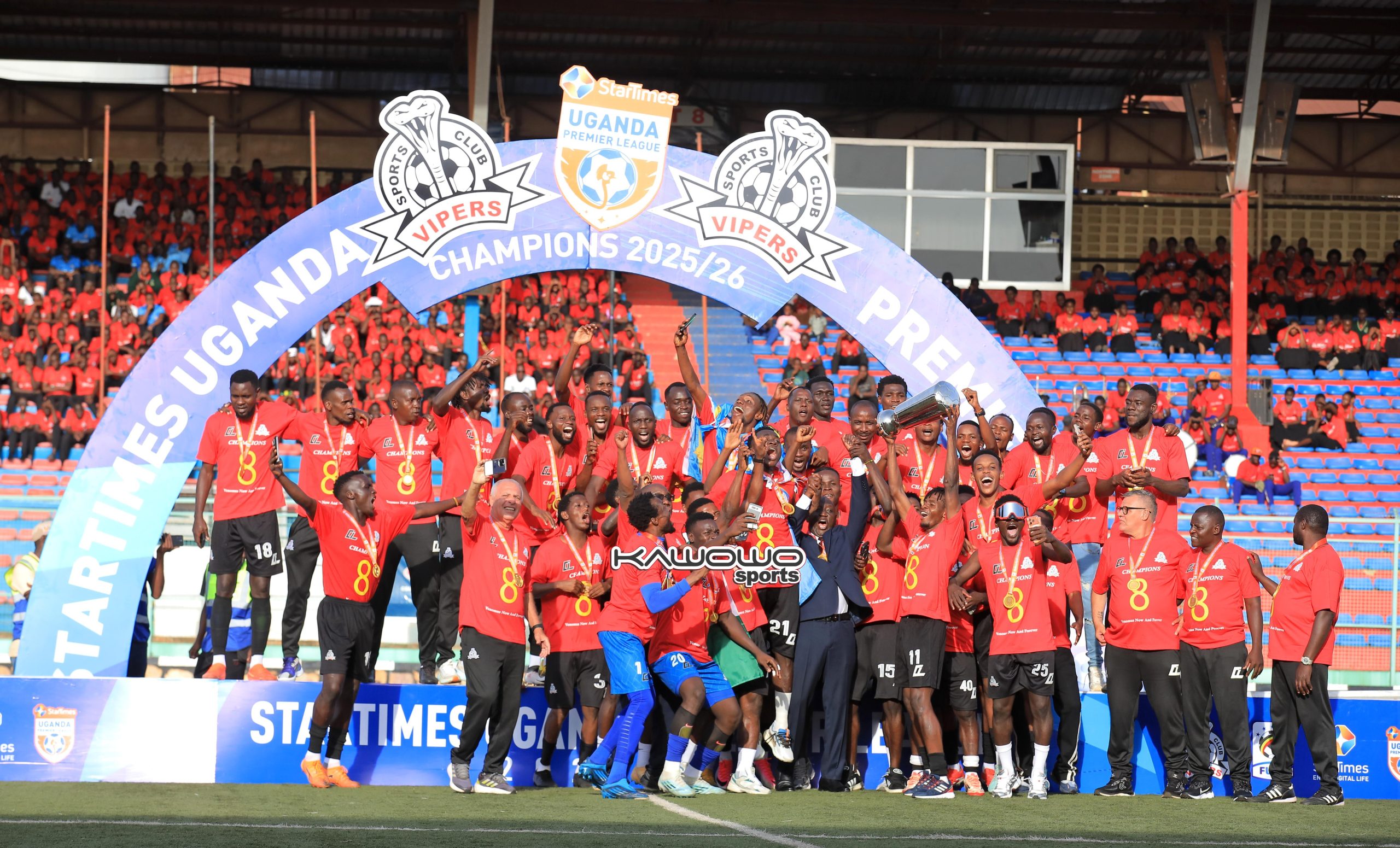
Conversely, traditional community giants like Express FC and SC Villa, alongside private outfits like Vipers SC, have historically relied on match bonuses, gate receipts, and individual benefactor funding. When benefactor support fluctuates, payroll instability follows, both Playing and Non-playing staff are left without institutional protection.
Subscribing to statutory or voluntary social savings schemes like NSSF Smartlife changes the long-term trajectory for sports workers. At high yield rates, modest monthly deductions compounded over a decade create substantial capital upon retirement, offering a cushion for business ventures, education, or coaching certifications.
For technical and medical personnel who experience high turnover across different entities, portable pension accounts allow savings to accumulate without interruption. For low-wage support staff, structured savings guarantee financial security, reducing reliance on club hand-outs.
Ugandan sports must move past hand-to-mouth operations. By adopting mandatory social security contributions that is deducting 5% from employee wages and matching with 10% from club revenues or sponsorship deals, sports entities can leverage compound interest to protect their workforce.
Embracing social savings helps transition sports from an informal pastime into a structured, sustainable career path, ensuring that those who entertain the nation do not face post-service poverty.
The post Beyond the 90 Minutes: Why Ugandan Sports Entities Must Institutionalize Social Security appeared first on Kawowo Sports.